Inside Venture Kick: What Jury Members Look for when Selecting Startups

scroll south


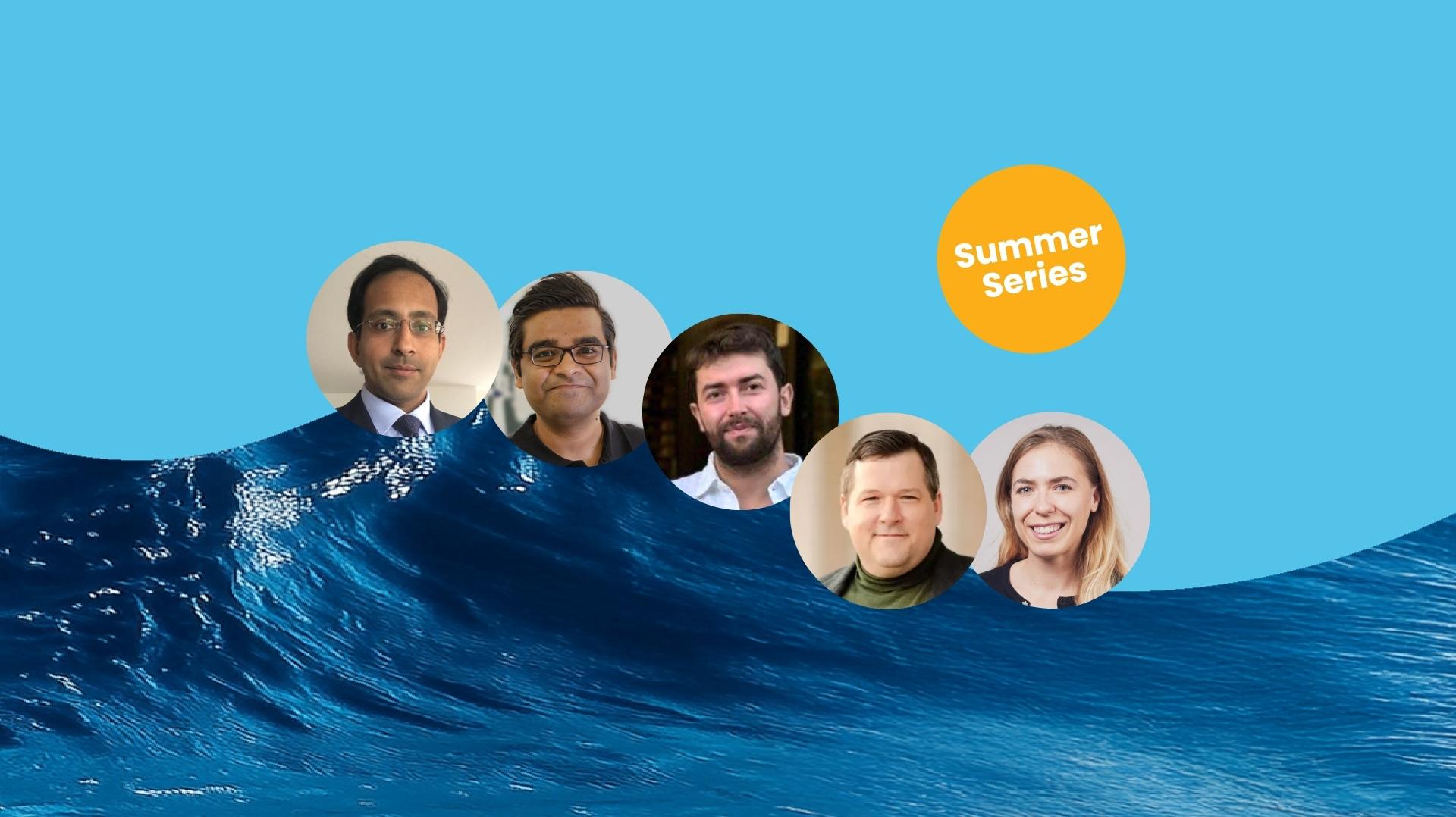
Each year, Venture Kick jury members evaluate over 400 startups across nearly 70 sessions. Their task: select the most promising founders to advance through the program and ultimately receive up to CHF 150,000 in funding. But what guides their decisions? We asked four jury members – Bettina Ernst, Emi Naganuma, and Frank Gerritzen – about the key qualities they seek in startups and how they assess which teams are ready for the next stage.
At each session, jury members need to decide which of presented startups will get the kick, taking in account multiple factors: market need and attractiveness, founders drive and ability to execute, or relevance of the solution are all part of the recipe. Picking the most promising is complex and needs the right eye. "In the biotech sector, a startup must demonstrate how it can solve real-world health problems," highlights Bettina Ernst, Founder and CEO of PRECLIN Biosystems. With 10 years of experience in basic immunology, she looks for teams with a strong scientific foundation and practical plans for market entry.
The critical factors for successfully moving from research to market are:
> Superior science
> Strong USP
> Strong IP
> Strong market opportunity: unmet medical need, pharma interest, reimbursement potential, clear regulatory path, TPP, etc.
> Strong team
> Strong investor base
For tech startups, Emi Naganuma, Founder of Apprecia Capital with a background in investment banking and venture capital, places strong emphasis on the business model. Startups must show not only innovation but also the ability to generate revenue and scale.
 "When evaluating Swiss startups, what matters to us is how well the team bridges world-class technical innovation with a clear understanding of global market realities," explains Emi. "To be scalable and sustainable, a team must turn its technical strengths into a repeatable, transferable model—one that isn’t limited by geography, academic context, or overly tailored implementations."
"The ultimate question we ask,” she continues, “is: Is this solving a painkiller-level problem in a system where adoption at scale is realistically possible? Sustainability also lies in founder resilience—how the team responds to challenges, integrates feedback, and navigates the complexities of international expansion.”
 When it comes to global growth, Frank Gerritzen, Founder of Prête-Plume and investor in several growth startups, emphasizes scalability. "Pinpointing the right moment for international expansion is a subtle mix of objective criteria and gut feeling—with the former carrying more weight," says Frank.
Among the measurable elements, he mentions:
> Satisfied local clients
> Thorough knowledge of international competition
> Assessment of the actual existence of a market for the product/service
> Deep awareness of the hurdles (regulatory, HR, distribution, export management, finances, sales force, marketing)
> Overtaking transitioning from national to international
> Initiating an international network of (potential) clients, KOL’s, regulatory authorities
> Absolute mastery of production/service delivery (the “bible”) - no need to internationalise if you do not yet know what you are doing
"On the subjective front, a willingness,
a hunger to conquer the world
coupled with indestructible
energy and ambition."
Venture Kick jury members know that successful startups are built on more than just ideas and products. They look for teams with vision, adaptability, and the ability to respond to market changes. Their goal isn’t just to provide financial support, but to help entrepreneurs scale, from local challenges to global opportunities. By focusing on sustainable growth and innovation, the jury ensures Swiss startups are equipped to succeed both locally and internationally.