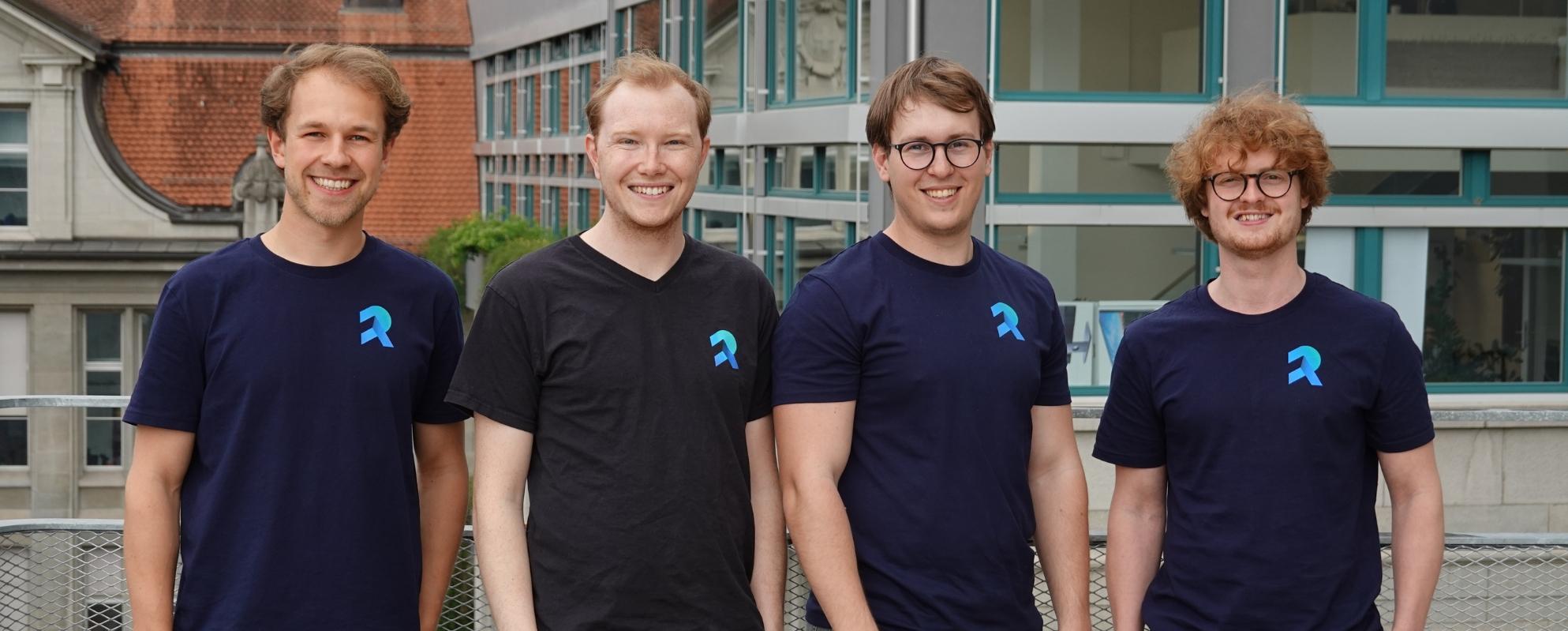
Meet Jason Corkill, CEO of Rapidata. The startup processes data extremely rapidly with a massive parallelized workforce, solving fundamental problems faced by the modern AI industry. Jason and the other Swiss National Mobile Team members will head to the Mobile World Congress in Barcelona at the end of February.
 Name: Jason Corkill
Location: Zürich, Switzerland
Nationality: Swiss
Graduated from: ETH Zürich
Job title: CEO & Founder
Number of employees: 7
Money raised: CHF 2.6 Million
"Just do it, just start."
Can you tell us who your product or solution helps, and how?
Rapidata truly unlocks the power of the ever-larger AI networks by providing near-instant, diverse and cost-effective human-filtered, annotated and/or validated data. Our platform is powered by the underutilized attention and intelligence of billions of smartphone users around the world by offering a new method of mobile app monetization.
What market are you addressing and what is the potential of your startup in that market?
All the players in the current data annotation market have flashy, themed websites on the outside but all function in the same way in the background; they either hire or provide a platform for hiring in low-cost countries such as India, the Philippines or Nigeria to perform extremely repetitive tasks in often sweatshop-like conditions. This system is inherently unscalable, with long lead times. The data can be heavily biased as it is annotated by a very narrow slice of the population from specific countries and finally, the costs for these services are prohibitively high due to the large overheads of managing such a large workforce. At Rapidata we can tackle all these issues by having access to functionally infinite “labor” from anywhere in the world at a fraction of the cost.
How and where did you come up with the idea for your startup?
During an internship, I was faced with the problem that most AI engineers run into sooner or later, a lack of human-annotated data. I was developing an algorithm to detect faces with a new sensor and to train it I recorded a dataset of my face containing 8000 images. I was then faced (pun intended) with the daunting task of having to manually annotate the location of my face on all of them, which would take the better part of a not-very-fun work week. That Friday I was having a beer with one of my eventual co-founders, Marian Kannwischer, and I was voicing my discontent about the situation and that there must be a better way of doing things. He was upset about how his attention in phone games could be better used in much better ways to monetize it. Half an hour and a few beers later, Rapidata was born.
What do you expect from the Venture Leaders roadshow, and how do you think it will help you achieve your vision?
There are two sides to our business, the tech companies and researchers that use our product to advance their AI and on the other side the thousands of apps, mobile games and services that we pay to get their users' attention for a few seconds here and there. The Venture Leaders roadshow to Barcelona will be a great opportunity to connect with the companies in that ecosystem and show them that we are an amazing alternative or replacement to other monetization options.
What are your team’s key achievements to date?
Our small but growing team has built a unique tool that lets you have your data annotated by real humans from around the world, and live within a few minutes. It can currently be tried out for free (app.rapidata.ai). To build this and grow the business, we have found and surrounded ourselves with great investors and other institutions that have helped us to raise in total of 2.6M CHF from VCs and Grants.
Is there a key principle or value that guides you as you build your company?
We believe that humanity's intelligence and attention are valuable, and rather than having it wasted on meaningless games and ads, it should be used to make the world a better place by training and correcting the AI algorithms that will power the economy of the future.
What is the most important lesson you have learned as a founder?
While it’s a bit cheesy and a bit of a classic: Just do it, just start, and if you aspire to make a real company out of your idea, don’t work on your project all by yourself telling yourself you will release it once insignificant feature X is ready.
What is your favorite productivity hack or tool and why?
I like to work quite free-flow without a lot of guides. I think (for me) it’s the most productive way to work but this does come back to bite me now and then when I forget something or mix up a date. To ensure that this happens as little as possible with my emails, I’ve started using an (insanely overpriced) email client called “Superhuman” which is brilliantly designed.
What was your dream job when you were a child?
I was always quite technically interested and learned quite early how to do 3D computer animation videos. So for a while, I wanted to be in computer graphics. If you go even earlier, I think it was Cashier at the grocery store, but I think 4-year-old me was in firm belief that they get to keep all the money in the till.
Do you recommend a podcast you want to share with us?
For some reason, I am weirdly obsessed with American (foreign) politics and listen to “Pod Save America/the World”. If you are curious about the Swiss startup scene and what could be coming out of ETH you can listen to a podcast recorded by Students with the slightly over-the-top name: “Before They Change The World”.
Rapidata AG: Powering AI with rapid and scalable human data processing.
Rapidata solves a fundamental problem faced by the modern AI industry. AI tools and systems, like ChatGPT, autonomous driving or magic erase, rely on massive amounts of data and the secret of the indu... Read more
Related articles

Rapidata raises USD 8.5M to accelerate AI development
read more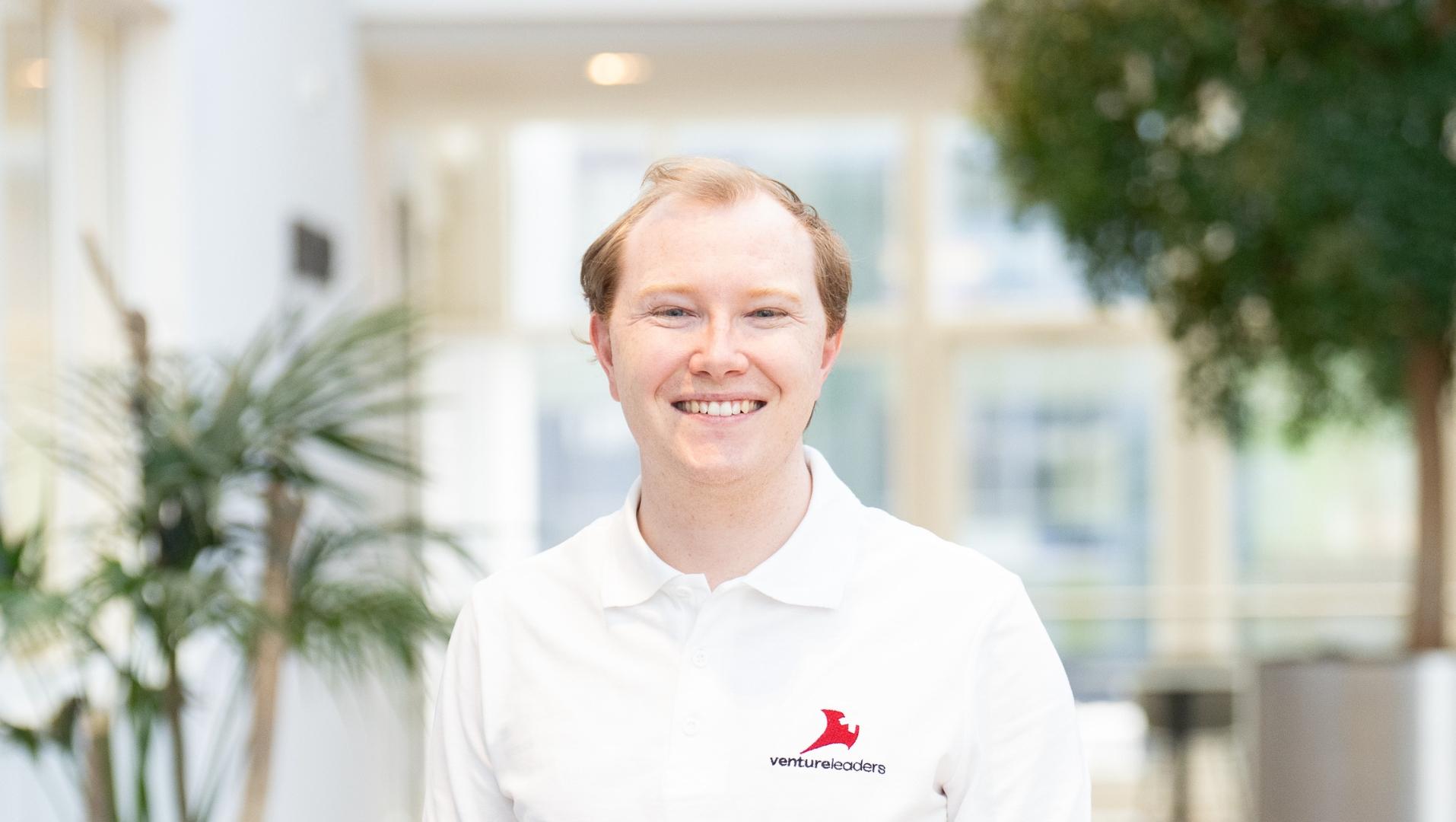
Rapidata: The Venture Leader Technology powering AI with rapid and scalable human data processing
read more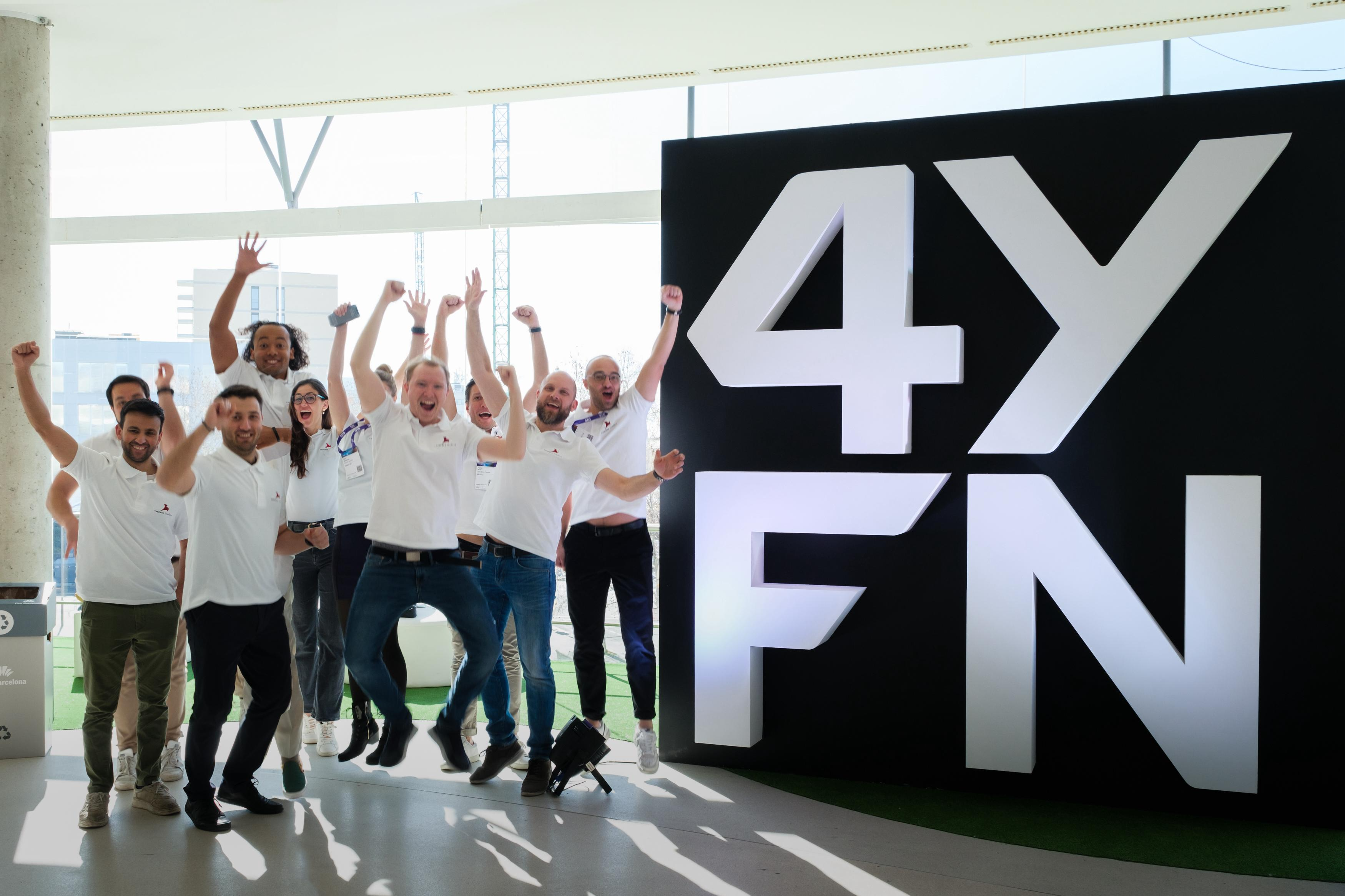
Venture Leaders Mobile 2024: Captains Blog by Clara Moldovan, CEO of Swistor, and Jason Corkill, CEO of Rapidata
read more
RTDT: The Venture Leader Mobile optimising wind turbine fleet operation through unique structural health insights
read more
Swistor: The Venture Leader Mobile making energy storage sustainable
read more
RigiTech: The Venture Leader Mobile connecting hospitals and diagnostics laboratories through automated inter-city drone delivery links
read more
onocoy: The Venture Leader Mobile enabling mass adoption of high precision positioning with blockchain technology
read more
Hypergate Zero: The Venture Leader Mobile prioritizing privacy and security
read more
GraphEnergyTech: The Venture Leader Mobile releasing the power of graphene for solar cells
read more
4screen: The Venture Leader Mobile connecting businesses with on-the-go customers
read more
Ancora.ai: The Venture Leader Mobile employing patient-first approach to democratize clinical trial access
read more