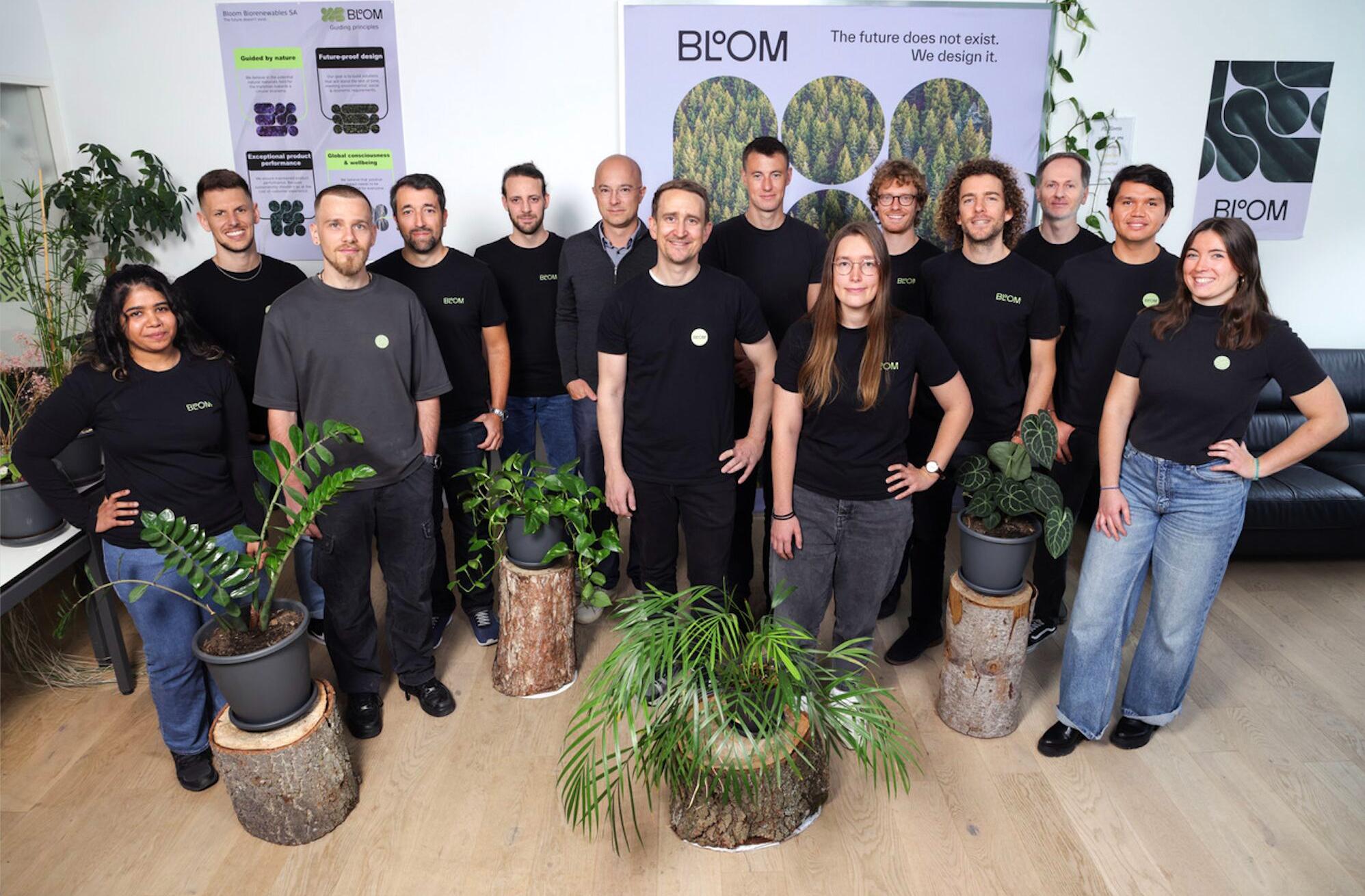
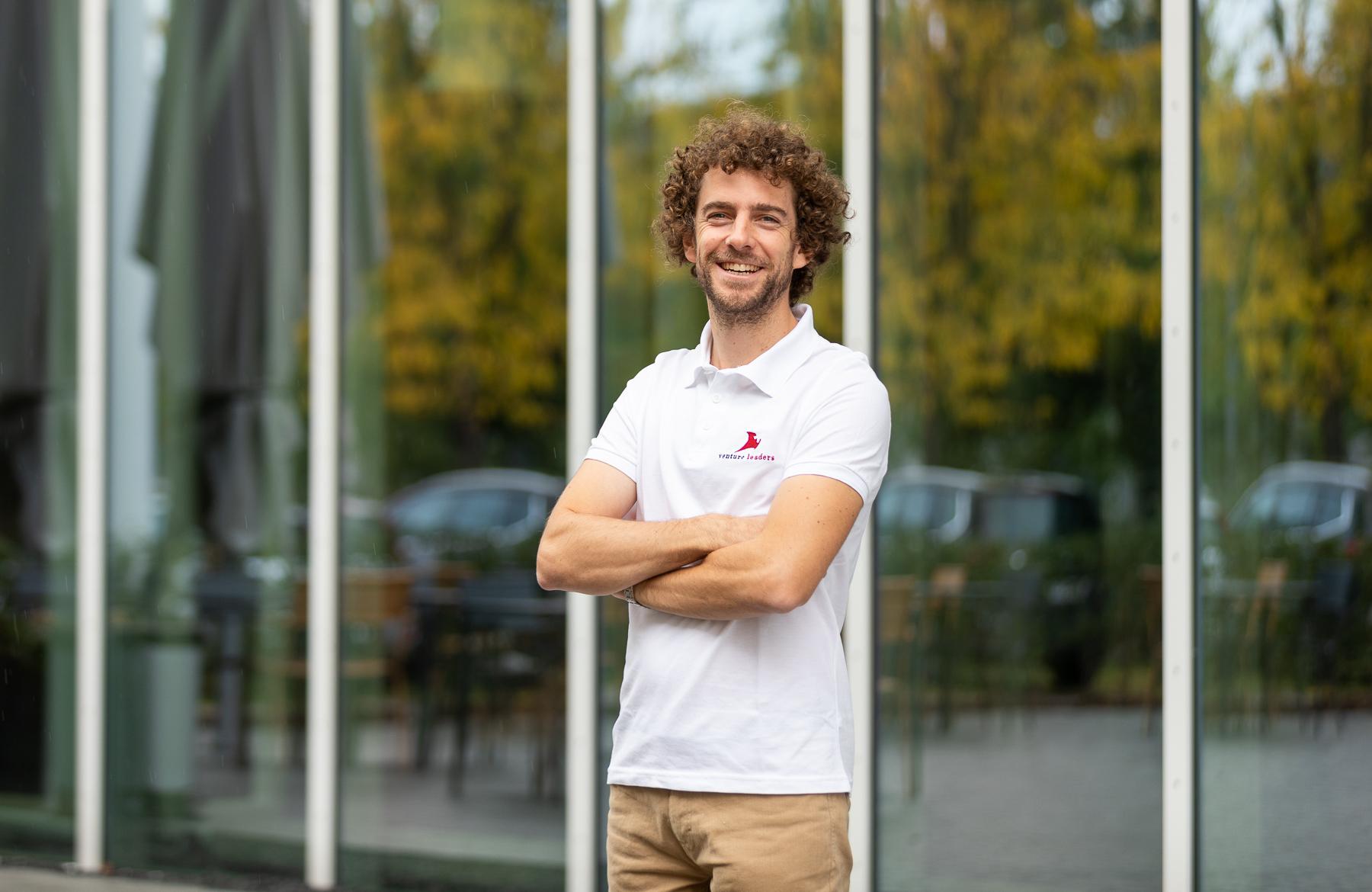
Founding a startup is not always a walk in the park. The journey from a brilliant idea to a successful product is often fraught with bottlenecks and challenges. In this summer series, we sit down with industry leaders to learn more about the challenges they wish they'd avoided - and how to navigate the same pitfalls as a seasoned pro. We spoke to Remy Buser, Co-Founder and CEO of Bloom Biorenewables. Learn more about his experience with a cleantech startup and what he would do differently.

"A successful strategy involves
emphasizing unique selling points."
 What is one piece of advice you wish you had received before starting your business?
Prioritize building your team early on and clearly define every role, including those that may evolve. Consider establishing an Employee Stock Ownership Plan (ESOP) from the outset, aiming for 20% ownership allocation. This proactive approach can support a cohesive team culture and align everyone towards shared success.
Can you share a significant challenge you faced early on and how you overcame it?
Early on, a significant challenge we faced was scaling our chemical technology, which required specialized equipment and infrastructure. We overcame this hurdle with crucial support from HEIA in Fribourg, funding from Innosuisse, and essential assistance from the Canton of Fribourg. These partnerships were instrumental in overcoming this hurdle and ensuring our success in advancing our technology.
What is a common misconception about starting a cleantech business that you would like to disprove?
A common misconception about starting a cleantech business is the belief that customers are willing to pay a premium solely for sustainability. In reality, many consumers expect cleantech products to match or beat fossil fuel alternatives in performance and cost. Therefore, a successful strategy involves emphasizing superior performance or other unique selling points (USPs) alongside sustainability to ensure market competitiveness and consumer adoption.
was adopting toll manufacturing."
 In retrospect, what is one strategic decision you made that significantly impacted your business's success?
One strategic decision that greatly influenced our business's success was adopting toll manufacturing. This approach helped engage other stakeholders and convert the process from lab practices to professional piloting with quality control.
How do you think Venture Leaders and Venture Kick helped you in your path?
Venture Kick played a crucial role by providing us with initial funding that enabled collaborations with key partners. Additionally, being featured in the TOP 100 spotlight helped us greatly in persuading partners to join us in advancing our project.
What advice would you give to entrepreneurs about maintaining a work-life balance while growing their business?
Entrepreneurs should learn to log off actively to be able to disconnect. Another piece of advice is that it’s always the best moment to make a family decision (like having kids), but postponing does not necessarily improve the situation in the company's growth.
Bloom Biorenewables SA: Making biomass a true alternative to petroleum
Bloom offers a sustainable alternative to replace petroleum in current products. With Bloom, customers can match the growing demand for nature-based products as well as make a big step towards meeting... Read more