In a recent conversation with Michelle Tschumi, Head of Startup Finance at Zürcher Kantonalbank, we explored the current dynamics of the Swiss startup ecosystem. She shared her perspective on the most promising startups across all development phases, from early-stage innovations to later-stage ventures. We also discussed the challenges and opportunities these companies face, how the ecosystem is evolving, and the strategies her team is taking to support sustainable growth in a shifting market.
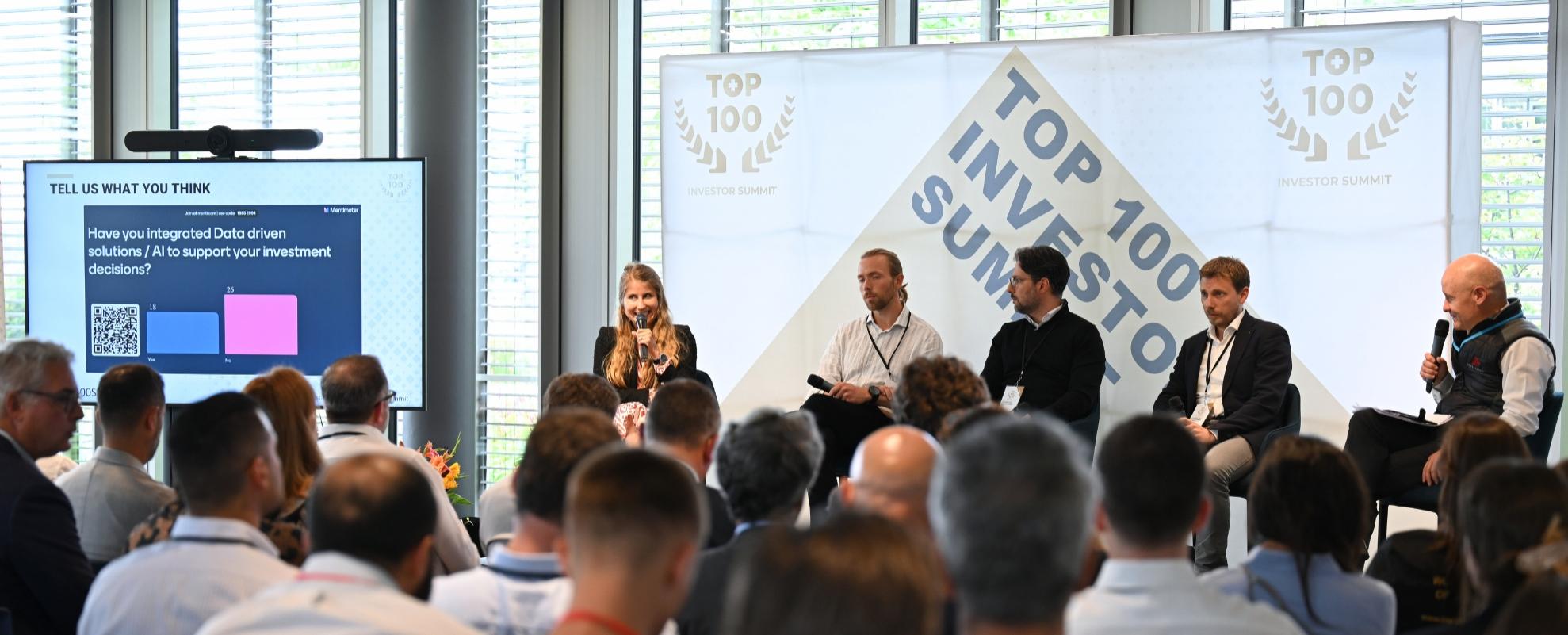
Over the past 20 years, ZKB has invested in more than 280 startups, positioning itself as one of Switzerland's most active investors in the startup ecosystem. The ZKB Startup Founder's Desk also offers guidance to aspiring entrepreneurs on starting their businesses and Büro Züri provides workspaces for innovative startups and founders. Additionally, to address the capital gap for Swiss growth companies, Zürcher Kantonalbank launched the Swisscanto Growth Fund in 2018, which now has a fund volume exceeding CHF 180 million.The recent TOP 100 Swiss Investor Summit highlighted the increasing momentum in Swiss startup funding, with notable interest from investors across various sectors, reinforcing confidence in the growth potential of local ventures. This event emphasized the importance of building a robust investment environment for Swiss startups.
 How would you describe the current market environment for Swiss startups, particularly in terms of access to financing and investor confidence?
Generally speaking, we are seeing a positive development, especially in the early-stage segment. We, who primarily take part in early-stage rounds, were able to participate in almost 50 funding rounds, which is significantly more than in the previous year. We think that investor confidence is pretty high and that we will continue to see a dynamic number of financing rounds in the near future.
However, we also continue to see a challenging market environment for later-stage financing rounds. In this phase, it is often difficult to find a lead investor and a suitable investment syndicate, which caused many later-stage startups to conduct bridge rounds. Often, important inflection points are missing, and investors are very selective in the selection and assessment procedure.
"Good ideas and products that address
a relevant need in a sustainably
growing market always have
a high growth potential,
regardless of the sector or industry."
a relevant need in a sustainably
growing market always have
a high growth potential,
regardless of the sector or industry."
Are there specific sectors or industries within Switzerland's startup ecosystem that you believe hold the most potential for growth in the coming years?
We are observing that more and more capital flowing into Clean- and FoodTech startups, driven by the current ecological challenges, the political debate, and the public awareness. These are underlying strong fundamental growth drivers which won't change in the near future. The Life Science sector has also been doing well for quite a while now and we expect this to continue, especially here in Switzerland with its strong healthcare R&D focus. However, I would like to point out that good ideas and products that address a relevant need in a sustainably growing market always have a high growth potential, regardless of the sector or industry.
Sustainability and impact investing are growing trends in the investment business. How do you consider these topics in your investment approach?
I agree, we also see that sustainability and ESG topics are getting more and more important in the ecosystem. There is an increasing number of initiatives that are explicitly targeting sustainable startups. For example, I personally have a jury seat in a program called KlimUp, a recently launched support initiative of the City of Zurich. This program is aimed at companies that make a vital contribution to climate protection and the circular economy. We also note that female founders are still under-represented in the Swiss startup scene. Fortunately, however, there are now specialized funds that only invest in diverse founding teams. We at ZKB consider ESG-related topics by systematically incorporating and documenting them in our due diligence process.
How does the Startup Finance Team of Zürcher Kantonalbank approach funding for startups at various stages of development?
In general, we are an early-stage investor and invest our own money from our balance sheet, i.e. we are not structured like a typical VC fund. Accordingly, we are very flexible in terms of timing and structure. We can support our startups independently of any investment and exit cycles. In this segment, we have two vehicles with which we can support innovative business models as follows:
• Startup investments: consist of ticket sizes from two hundred thousand up to one million per financing round.
• Scale-up investments: allow for a maximum ticket size of 1.5 million per round.
Additionally, ZKB asset management operates different Private Equity Funds for its qualified investor base. One of them, the Swiss Growth Fund, is actively investing in larger and later-stage financing rounds with a minimum initial ticket size of 5 million. This way, ZKB provides a comprehensive offering for startups during the whole lifecycle.
What's your outlook for the Swiss startup ecosystem over the next five years?
It is virtually impossible to make reliable forecasts due to the current geopolitical, economic, and interest rate uncertainties. We expect the fundraising environment to remain challenging in the short to medium term and valuations to remain under pressure. Investors will continue to be very selective in their portfolio selection. As already mentioned, these challenges are likely to be felt by later-stage startups that raise larger rounds at more ambitious valuations. However, if interest rates move south, which we think is not unlikely, then this should have a positive impact on the availability of capital and take some pressure off the difficult financing environment.