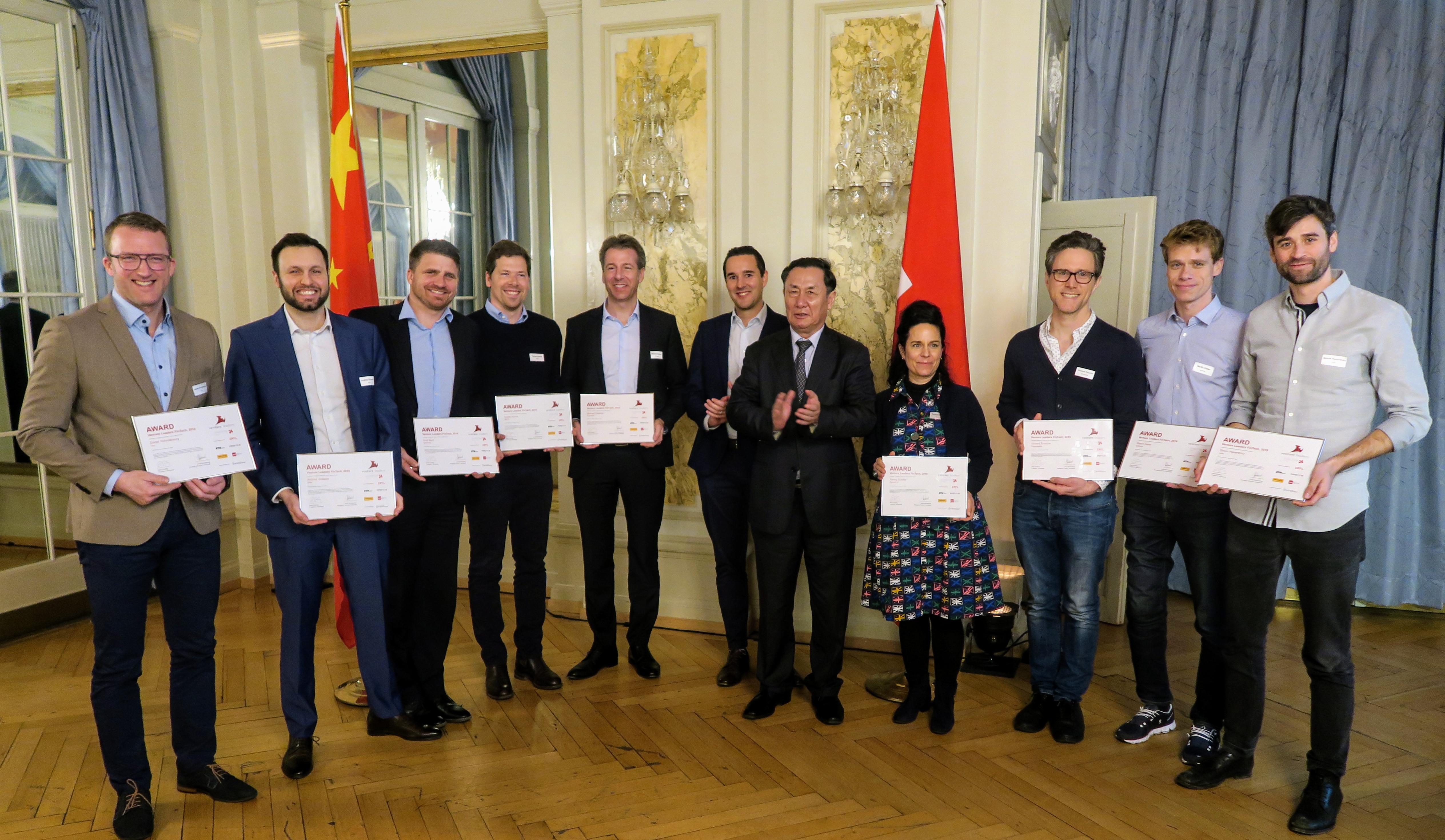
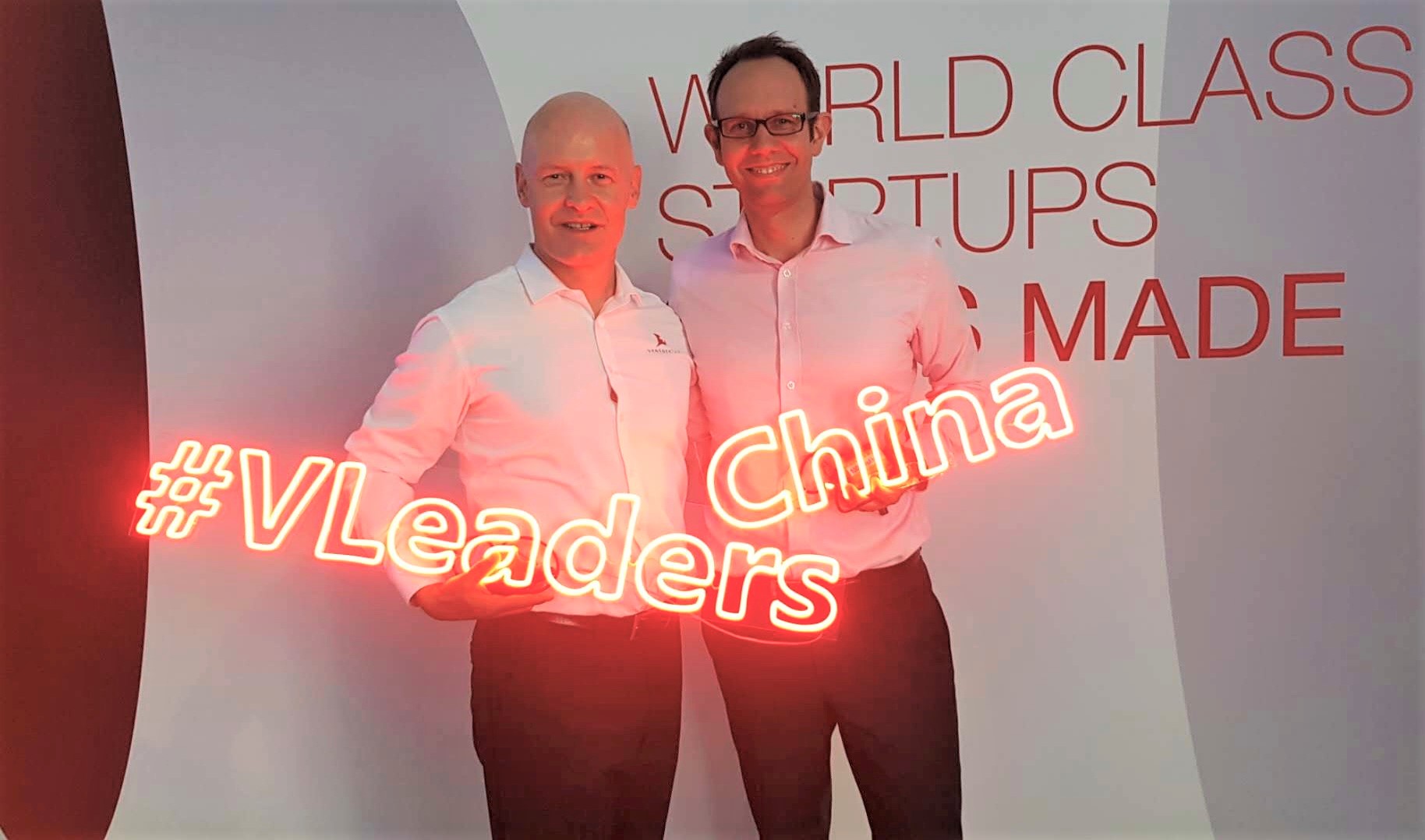
Lukas Zuest, head of VISCHER's China desk, shares his experience traveling and networking with the winners of Venture Leaders China at the World Economic Forum in Dalian. The lawyer advises Swiss entrepreneurs of the pace of Chinese markets and the need to structure joint-ventures carefully to protect IP.
Every visit to a country can reveal new aspects of its culture. You lived in China for more than five years. What surprised you most when you moved there?
After completing a postgraduate program in international business law at the East China University of Political Science and Law in Shanghai in 2007, I worked as a foreign lawyer in China. I was surprised that many Chinese laws shared a lot in common with continental European laws, such as Swiss or German laws. On the other hand, the way the laws were applied and enforced by local courts and authorities was so different from what I was used to in Switzerland. The court proceedings were hardly structured and unpredictable. Dealing with Chinese authorities required a pragmatic approach, as it was usually unlikely to settle a dispute successfully through the supervisory authorities or courts.
What was the most-noticeable change in China’s environment for startups and investors over the last few years?
Today, there is much more Chinese venture capital available to invest into Chinese startups than a few years ago. Chinese venture capitalists have also become more open to funding foreign startups that want to market their products in China. However, particularly if the Chinese investors want to invest small-to-medium amounts, we see that they are sometimes reluctant to inject the funds into the startup abroad, as they do not want to deal with the overseas direct investment and capital export controls that were tightened in November 2016. Instead, they suggest establishing a joint-venture in China. However, startups must keep in mind that it is important to structure a joint-venture in China well, in order to protect their intellectual property rights and ensure good corporate governance.
What was your biggest take-away from the World Economic Forum's Annual Meeting of the New Champions?
I met many dynamic and enthusiastic entrepreneurs from around the world, who have their own businesses in various industries. From a Swiss lawyer's perspective advising Swiss companies on their market entry projects in China, it was very interesting to share experiences with these entrepreneurs in structuring new businesses in China, handling of and negotiating with Chinese investors and clients.

You spent many intense roadshow days with ten of Switzerland's ambitious entrepreneurs. What did you learn from the Swiss National Startup Team?
I had numerous inspiring discussions with the Swiss startup entrepreneurs about their businesses and opportunities in China. I was very much impressed to learn how they developed their ideas into real, marketable products. I got to know these entrepreneurs as open-minded and flexible business people, who are eager to understand and adapt to the Chinese market and demands.
What is your most important piece of advice for Swiss-based entrepreneurs planning to scale their startup in China?
In China, the markets move much faster than in Switzerland. It takes less time to bring a product to market and you must adapt to the fast pace of business, if you want to scale your product in China. On the other hand, to develop the Chinese market sustainably, you must have a long-term strategy and must be prepared to deal with setbacks in business development and administrative hurdles when dealing with authorities. The biggest challenge for a Swiss-based startup is to maneuver well between the demands of a fast-moving Chinese market and to safeguard a long-term business strategy, considering the protection of its intellectual property rights and administrative hurdles.