Founded in 2004 as a spin-off from the University of Zurich, Molecular Partners, a Roadshow Partner of Venture Leaders Biotech, has spent two decades developing DARPin-based therapeutics designed to address unmet medical needs with high precision. With new programs advancing in radioligand therapy and a track record of major industry collaborations, the company has carved out a distinct position in the targeted alpha therapy field. We spoke with Daniel Steiner – Senior Vice President Research & Technology – and Philippe Legenne – Chief Medical Officer, about Molecular Partners work on targeted radiopharmaceuticals.
 One of Molecular Partners’ current main focus is the development of targeted radiopharmaceuticals leveraging DARPins as vectors for the precise delivery of radioactive payloads. In January 2024, the company entered a collaboration with Orano Med – a pioneer of targeted alpha therapy – to co-develop up to 10 programs. Daniel Steiner and Philippe Legenne spearhead the development of the first program of this collaboration, MP0712, at Molecular Partners.
With the first clinical images from your lead radiopharmaceutical therapy program recently presented, what does this step signal for Molecular Partners and the Swiss biotech landscape?
At the recent Targeted Radiopharmaceuticals Summit Europe (TRP EU) in November 2025, we were excited to present the first MP0712-based images of a patient as courtesy of Prof. Mike Sathekge and his team at the Nuclear Medicine Research Infrastructure (NuMeRI) in South Africa. The patient is a case example of a series of patients who received MP0712 for imaging use as part of a Named Patient Access Program under the legal framework in South Africa for compassionate care. The program uses the diagnostic radioisotope lead-203 (203Pb) which allows to assess successful delivery of MP0712 into the tumors of patients.
The images presented at TRP EU 2025 show specific uptake of MP0712 in primary tumor and metastatic lesions, while exposure in healthy organs of concern such as kidney and liver is limited (for further details, read here).

These early results are in line with previously presented preclinical data and further support the intended mechanism of action of MP0712. It’s a first in-human proof-of-concept for Radio-DARPins in general and for MP0712, indicative of its potential performance in a clinical setting when carrying lead-212 (212Pb) as therapeutic radioactive payload. These initial results provide a strong basis for advancing MP0712’s clinical development. As such, this progress is an important milestone for us and also highlights Switzerland's robust biotech innovation ecosystem.
The NuMeRI team plans to report the full imaging and dosimetry data of MP0712 at the Theranostics World Congress (TWC) in January 2026. We are excited about the imminent start of our Phase 1/2a study of MP0712 in patients with small cell lung cancer with our partner Orano Med.

How did the Novartis collaboration validate the unique potential of the DARPin technology in radiopharmaceutical applications?
Through our collaboration on ensovibep, a trispecific DARPin drug candidate developed for COVID-19, Novartis recognized the unique potential of DARPins as vectors for radiopharmaceuticals to broaden the target and indication space. In December 2021, we entered a research and collaboration agreement with Novartis to develop & commercialize Radio-DARPin therapeutics, which triggered an upfront payment to of $20 million to Molecular Partners. This collaboration, which ended in March 2025 as per contract terms, enabled the launch of our own activities in targeted radiopharmaceuticals, and consequently led to our partnership with Orano Med to develop 212Pb-based Radio-DARPin therapeutics.
What makes DARPins particularly suited as vectors for targeted radiotherapy?
Radiopharmaceutical therapy combines targeting molecules, so called vectors or ligands, with radioactive payloads to specifically attack cancer cells, while minimizing damage to healthy cells. Molecular Partners leverages the unique properties of DARPins as targeting molecules to develop targeted Radio-DARPin therapeutics, a novel approach in this field. We believe that DARPins are ideal vectors for effective delivery of targeted radiotherapeutics with a favorable safety profile for patients suffering from cancer.
DARPins possess excellent intrinsic properties as optimal vectors – such as their small size, high affinity, and specificity – to facilitate precise and efficient delivery of therapeutic radionuclides across a broad range of targets and beyond the targetable space of peptides or small molecules. Molecular Partners draws on a vast library of trillions of different DARPins to find those that bind best to different targets.
DARPins are highly stable and adaptable, allowing for a variety of additional features that can be customized to suit specific indications, targets, and radioisotopes. For example, at Molecular Partners we have developed a suite of half-life tuning/extension technology that can be leveraged to increase tumor uptake. In addition, we believe that (Radio-)DARPins are uniquely suited to achieve high tumor load by leveraging internalization mechanisms of tumor targets. Lastly, DARPins are small proteins that permit relatively simple, highly scalable bacterial fermentation in a short time frame, with clinical batch production feasible within every seven to ten days.
Molecular Partners’ partnership with Orano Med covers the full radiopharmaceutical value chain. How does this collaboration strengthen Molecular Partners’ capabilities and pipeline?
Our partnership combines Molecular Partners' unique and innovative Radio-DARPin Platform as well as our DARPin manufacturing and clinical development capabilities, with Orano Med’s world class experience and expertise in supply, research and development of 212Pb-based targeted alpha therapies. As such, the collaboration taps into the complementary strengths of both companies, and we are excited to move our first program, MP0712, into the clinic.
We’ve been working closely together with Orano Med over the past years, reducing drug candidate cycle times and enabling the generation of more drug candidates to novel targets. Based on this, we expanded the partnership earlier this year to encompass up to ten targeted radiotherapy programs.

What are the main programs in Molecular Partners’ radiopharmaceutical pipeline?
Our first radiopharmaceutical program, co-developed with Orano Med, is MP0712. This Radio-DARPin candidate aims to deliver the potent therapeutic radioisotope 212Pb in a precise and efficient manner to delta-like ligand 3 (DLL3)-expressing tumors. DLL3 is a validated tumor target abundantly expressed in small cell lung cancer or other neuroendocrine cancers of high unmet need, while its expression is low in healthy tissues, providing an opportunity for selective targeting. The preclinical data of MP0712 showing high selective tumor uptake and a favorable safety profile have been presented at the 2025 Annual Meeting of the American Association for Cancer Research (AACR). As mentioned above, we are very excited about the emerging human imaging data of MP0712 recently presented at TRP EU 2025 and to start of our phase 1 clinical study in the US. We look forward to seeing initial clinical data in 2026.
Our second program co-developed with Orano Med, MP0726, is designed to target mesothelin (MSLN), which is overexpressed across several cancers with high unmet medical need, including ovarian cancer, mesothelioma and pancreatic cancers. Molecular Partners has designed DARPins which selectively bind to a part of MSLN proximal to the target cell membrane to avoid impact from high shedding, a potential challenge for the development of therapeutics against MSLN. We presented encouraging early preclinical proof-of-concept data of MP0726 at the 2025 Annual Meeting of the Society of Nuclear Medicine and Molecular Imaging (SNMMI) and are planning to progress several programs in 2026, including MP0726.
How has Molecular Partners built the expertise and team to become a Swiss leader in radiopharmaceuticals, and what are the key goals ahead?
Molecular Partners was founded 20 years ago and our vision has always been clear and consistent: to make drugs that matter. We want to address significant unmet medical needs with our DARPin therapeutic candidates, providing real solutions for patients. Collaboration is in our DNA and key to our success. To find out more about Molecular Partners' breakthroughs and learnings in the development of DARPin therapeutics as well as our collaborations over the past two decades. Read here.
Our recent partnership with Orano Med positions us to cover the full value chain in the development of DARPin-based radiopharmaceutical therapies and be a global player, with a planned pipeline of up to ten targeted alpha therapies. The soon expected clinical phase 1/2a study start of our first co-developed Radio-DARPin program MP0712 is an important milestone for our DARPin technology and we look forward to seeing data from this study in 2026.
This progress also highlights Switzerland's robust biotech innovation ecosystem: it is known for its broad range of innovation and significant expertise, thrives on collaboration, both domestically and internationally, and enables a unique opportunity to build on its foundations as a radiopharmaceutical hub. Leveraging capabilities and expertise across academia, research centers such as the Paul Scherrer Institute (PSI), as well as biotech and pharma companies – including Novartis as global leader and pioneer in radioligand therapy, Switzerland is well-positioned in the competition for radiopharmaceutical therapy leadership at the international level.

Drawing from our partnerships and clinical experiences over the past two decades, we have become highly strategic in evaluating which projects warrant investment, both scientifically and financially. This discipline keeps us agile and focused. In biotech, resilience is essential, and knowing when to halt a program is as important as advancing it. This approach is vital for our future success and sustainability over the next 20 years.
Related articles
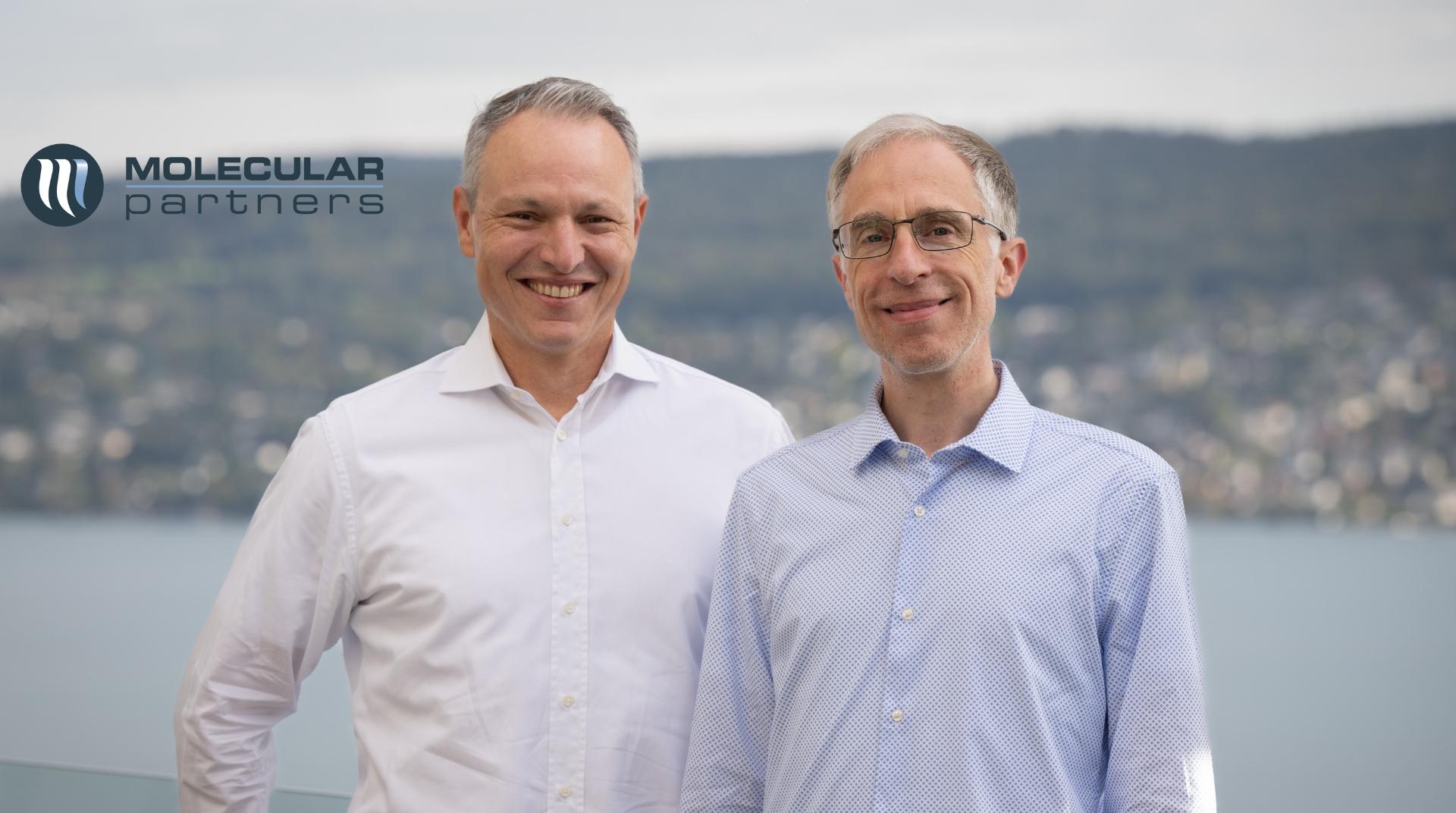
20 Years in Biotech: Molecular Partners reflects
read more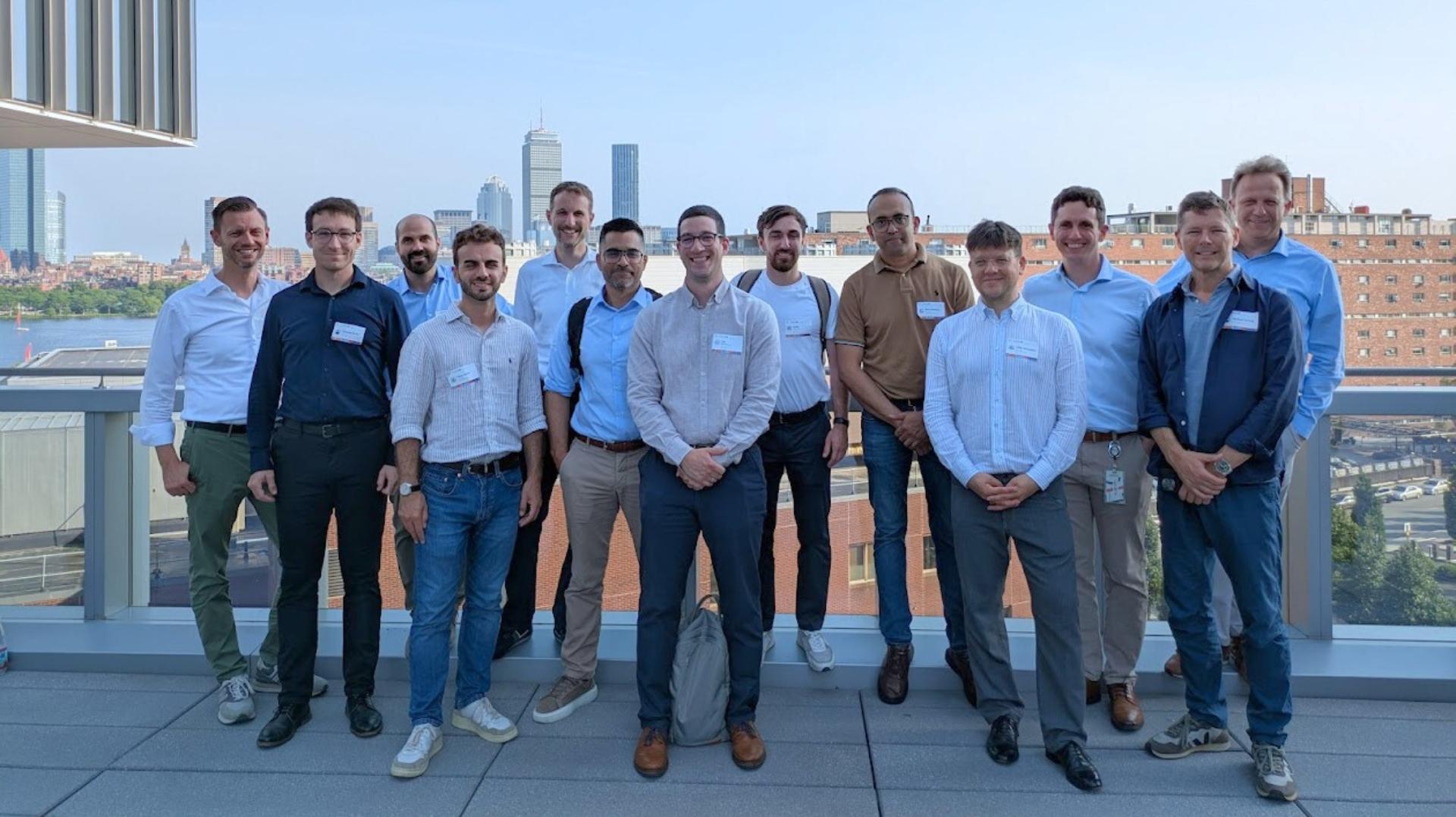
Venture Leaders Biotech 2025: Captain's blog by Kelvin Stott, Founder of Amporin
read more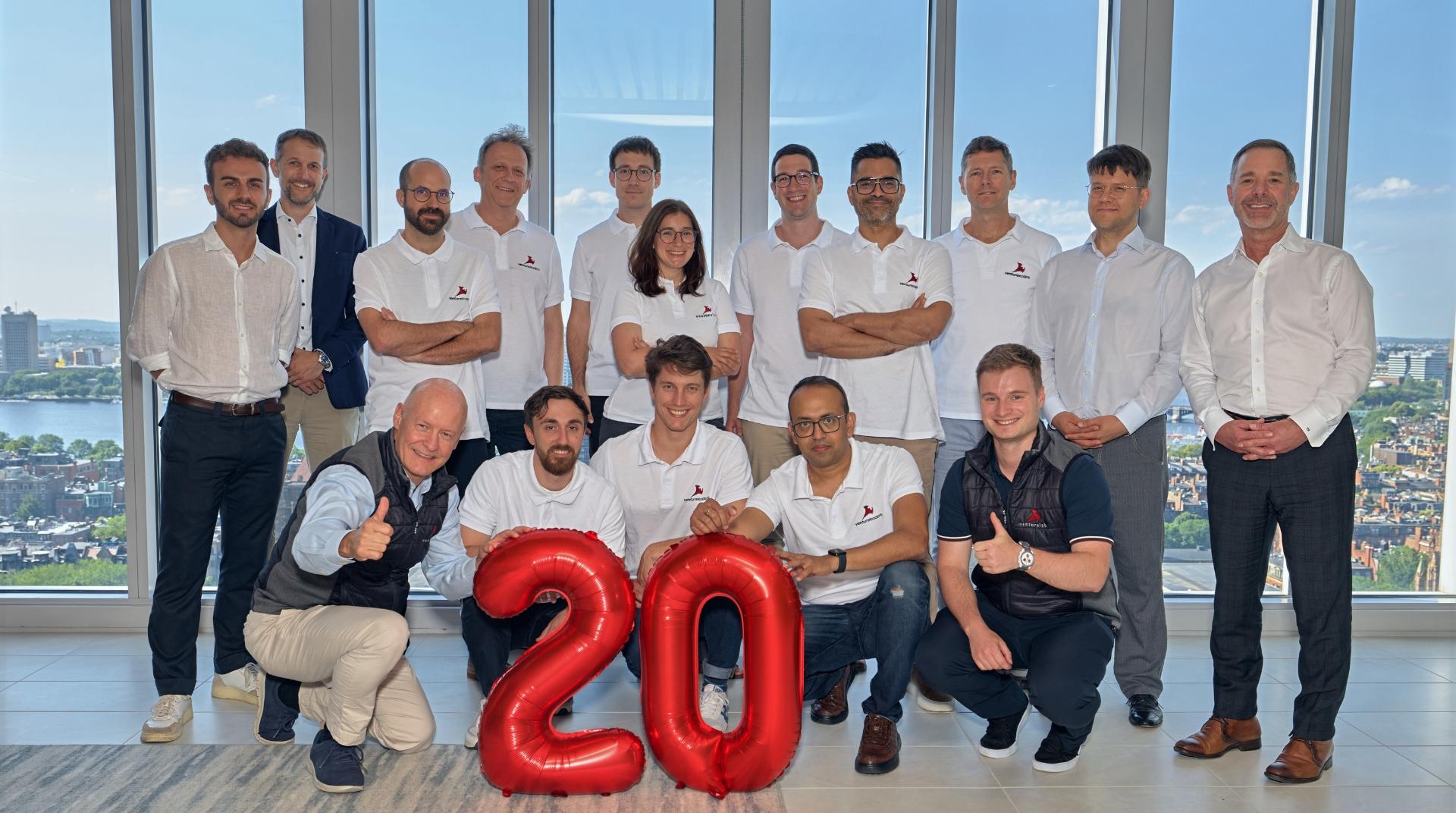
Venture Leaders Biotech 2025 connects Swiss science with the US biotech market
read more
Apricot Therapeutics: The Venture Leader Biotech advancing data-driven drug discovery for targeted medicine
read more
Nerai Bioscience: The Venture Leader Biotech redefining genetic medicine
read more
HemostOD: The Venture Leader Biotech advancing ex vivo platelet manufacturing
read more
InkVivo: The Venture Leader Biotech enhancing drug delivery systems
read more
Encelta: The Venture Leader Biotech revolutionizing cell therapy
read more
Enantios: The Venture Leader Biotech innovating in chiral molecule analysis
read more
Aukera: The Venture Leader Biotech driving drug discovery
read more
Juvion Health Sciences: The Venture Leader Biotech shaping aging therapeutics
read more
Abrinca Genomics: The Venture Leader Biotech accelerating microbial genomics research
read more
Amporin: The Venture Leader Biotech tackling neurodegeneration
read more
Venture Leaders Biotech 2025 kick off at Swiss Biotech Day ahead of Boston roadshow
read more