Inteeth: The Venture Leader Medtech transforming smiles with patient-friendly, aesthetic orthodontics


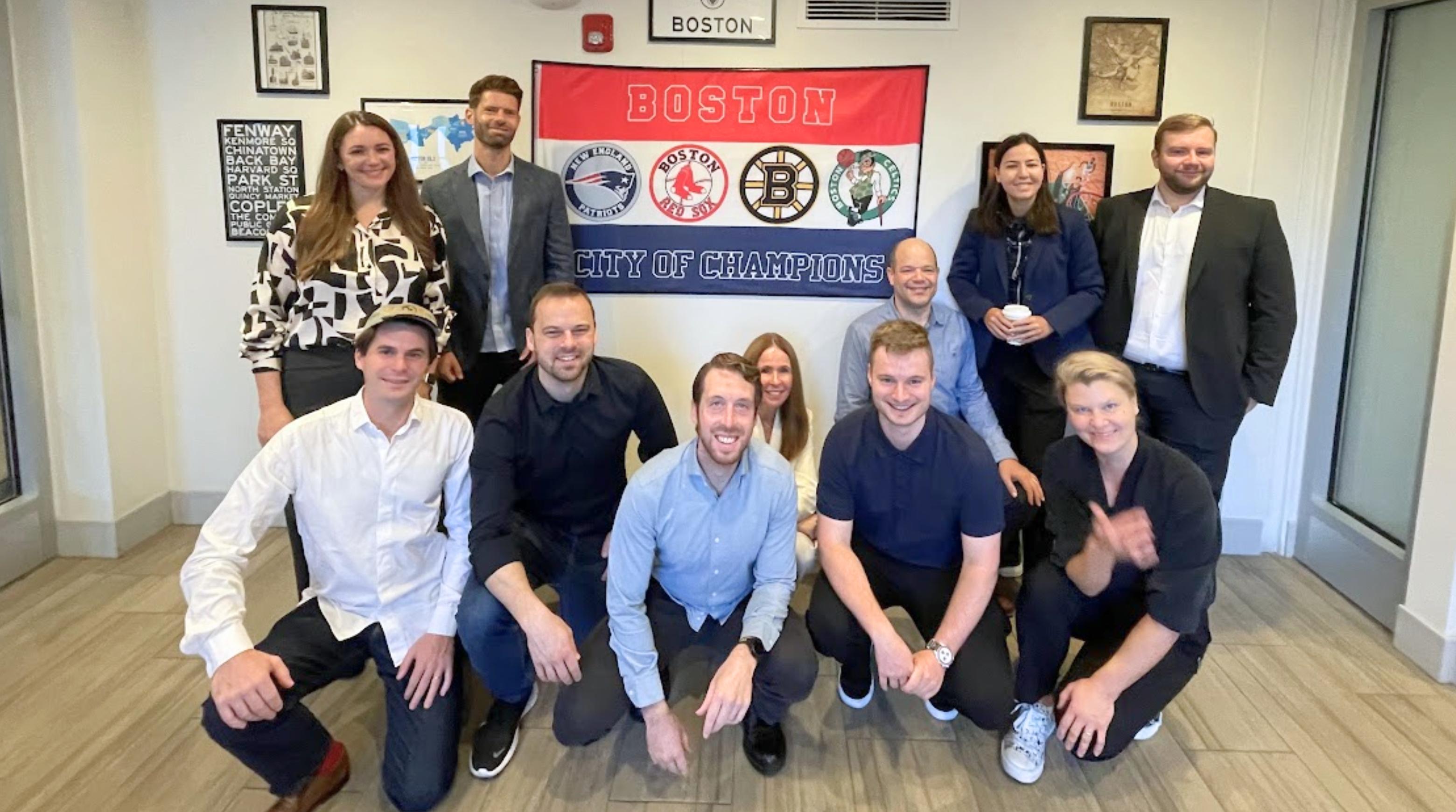
Meet Hugo Meley, CEO of Inteeth. The Medtech startup develops a truly invisible, behind-the-teeth aligner that combines comfort, precision, and faster treatment. In late September, Hugo and the other nine Swiss National Medtech Team members will fly to Boston on a business development and investor roadshow.
 Name: Hugo Meley
Location: Geneva
Nationality: French
Graduated from: University of Geneva | PhD in Physics
Job title: CEO / CTO
Number of employees: 5
Money raised: CHF 1.7 M
Can you tell us who your product or solution helps, and how?
Today, 50% of the global population suffers from malocclusion (misaligned teeth). InTeeth is redefining orthodontic care with a groundbreaking device, the InLiner: a behind-the-teeth solution that is comfortable, truly Invisible, precise, and affordable.
What market are you addressing and what is the potential of your startup in that market?
Based on initial pilot market feedback, we have a clear competitive advantage to tackle the growing $8B market of custom appliance supply, which is dominated by the B2B clear aligner industry. Our go-to-market strategy is to primarily address the $1B niche of lingual orthodontics, with a long-term vision to establish ourselves as the next market leader to transform global orthodontic care.
How and where did you come up with the idea for your startup?
The journey started 15 years ago with my father, Antoine, an orthodontist with a vision for truly invisible aligners. While his patented idea wasn’t technically feasible at the time, I overcame the barrier 3.5 years ago with new 3D technology and a second patented innovation. Together with a brilliant co-founder, François, and CHF 1M in funding, we built the software and MVP that now define our unique DNA: three founders, one mission that is to transform orthodontic care.
What do you expect from the Venture Leaders roadshow, and how do you think it will help you achieve your vision?
The U.S. is our priority market, combining XL size with a clear unmet need for fully invisible and comfortable orthodontic solutions, this directly aligns with our USP. We are structuring our first equity round, and the roadshow in Boston offers a unique chance to engage early-stage investors and connect with U.S. practitioners.
"Three founders, one mission
that is to transform orthodontic care."
that is to transform orthodontic care."
What are your team’s key achievements to date?
We have validated our USP through a clinical study on 50 patients, developed a strong IP portfolio with 4 patents, and built proprietary 3D technology that is both unique and proven through the production of thousands of devices. Launch readiness is expected by end of 2026, through the Swiss pilot market validation and a with fully automated & certified digital workflow.
Is there a key principle or value that guides you as you build your company?
The first key principle is making sure we share the same values, first among the founders, then across the entire team. The second is sharing the vision. The third is bringing in people who are better than us. Luck plays an important role in this process. Finally, it’s essential to consider soft skill composition early on to build a balanced, resilient team that can grow and strengthen over time.
What is the most important lesson you have learned as a founder?
Underestimating the effort required to build strong investor commitment is an execution trap that can be fatal for a company. As a product-focused founder, I invested a lot of energy into product and business development, which paid off as we built an MVP with over CHF 1 million in non-dilutive grants. But this game needs to be played carefully.
What is your favorite productivity hack or tool and why
I honestly believe there's still a lot of room for improvement in this area. Every morning, I challenge my monthly plan with a simple question: Would I still do this if I had only one month to live? The answer should always be yes. When I get to work, I update and break down my daily to-do list into 15 to 20 tasks on a board, and I try to spend at least 70% of my time focused on those priorities.
What was your dream job when you were a child?
When I was 8 years old, I used to tell my teachers, “I want to be a CEO,” which wasn’t well received at all. At 14, I wanted to become a naval architect. At 18, a physicist. By 24, I built my first boat, and at 29, I earned my PhD in physics. And now… I’m a CEO!
Inteeth SA: Aestetic and Patient-Friendly Orthodontics
Braces and aligners help straighten teeth, but they come with trade-offs: metal braces are visible, lingual braces are costly and uncomfortable, and clear aligners must be removed constantly. InTeeth ... Read more
Related articles
Venture Leaders Medtech 2025: Captain's blog by Stefan Tuchschmid, Co-Founder of Scanvio Medical
read more
PaceLocator: The Venture Leader Medtech revolutionizing cardiac care with real-time, 3D heart visualization
read more
Hemetron: The Venture Leader Medtech enabling better treatments through accurate mobile health tests
read more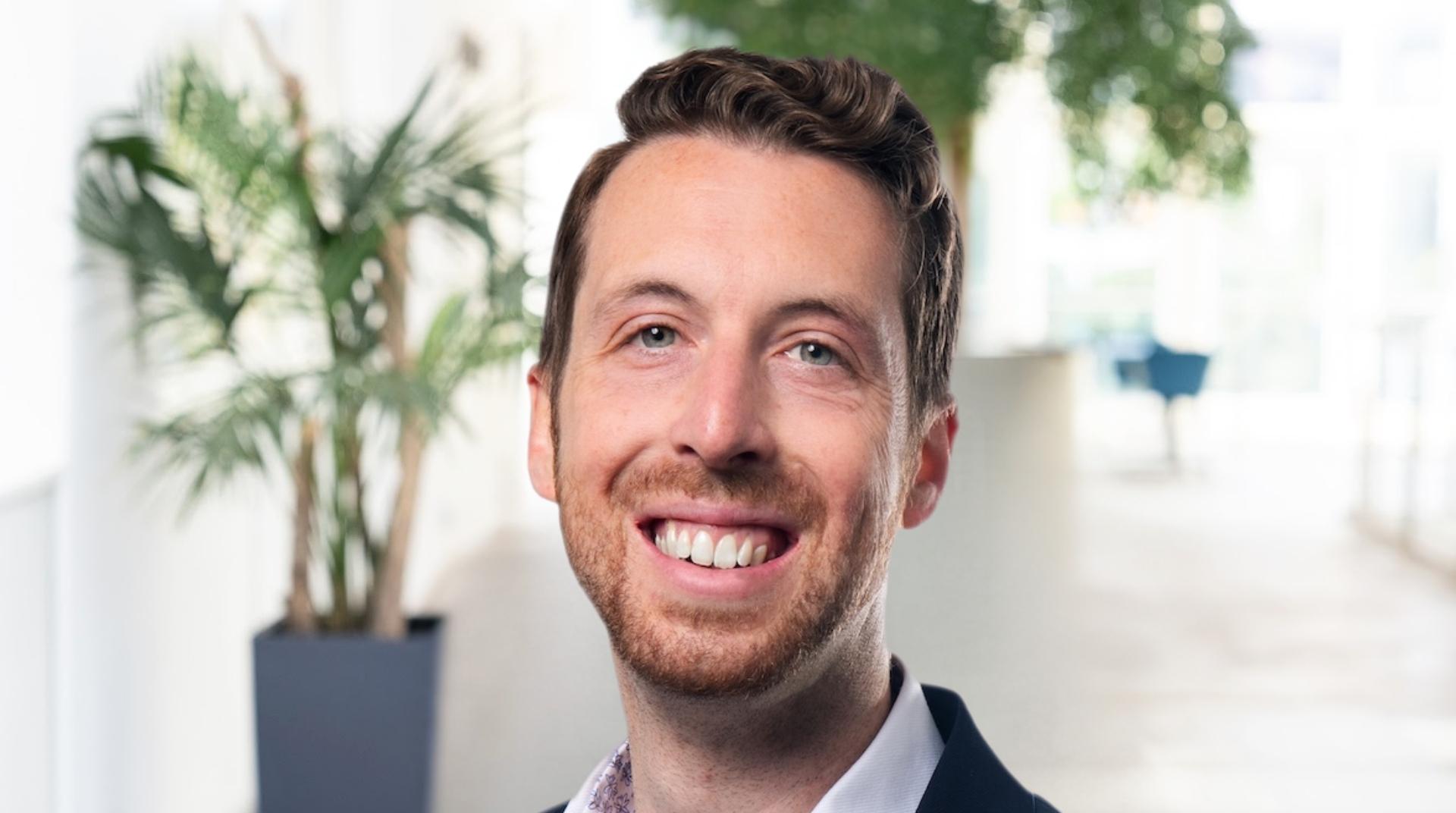
Clee Medical: The Venture Leader Medtech transforming brain surgery via real-time vision and control
read more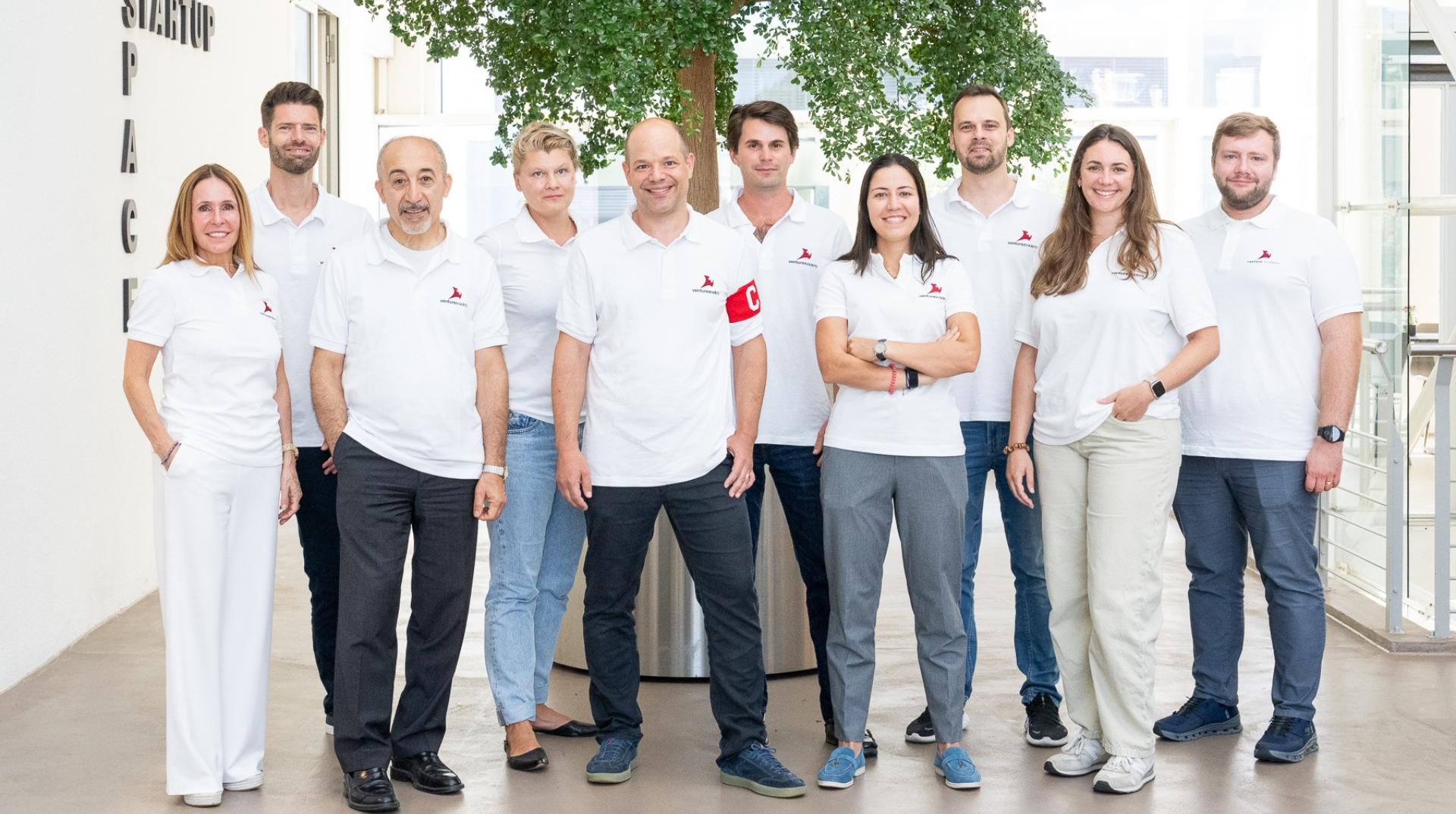
Venture Leaders Medtech 2025 kick-off their Boston roadshow
read more
Scanvio Medical: The Venture Leader Medtech harnessing AI for faster non-invasive endometriosis detection
read more
dEEGtal Insight: The Venture Leader Medtech improving epilepsy diagnosis
read more