PaceLocator: The Venture Leader Medtech revolutionizing cardiac care with real-time, 3D heart visualization


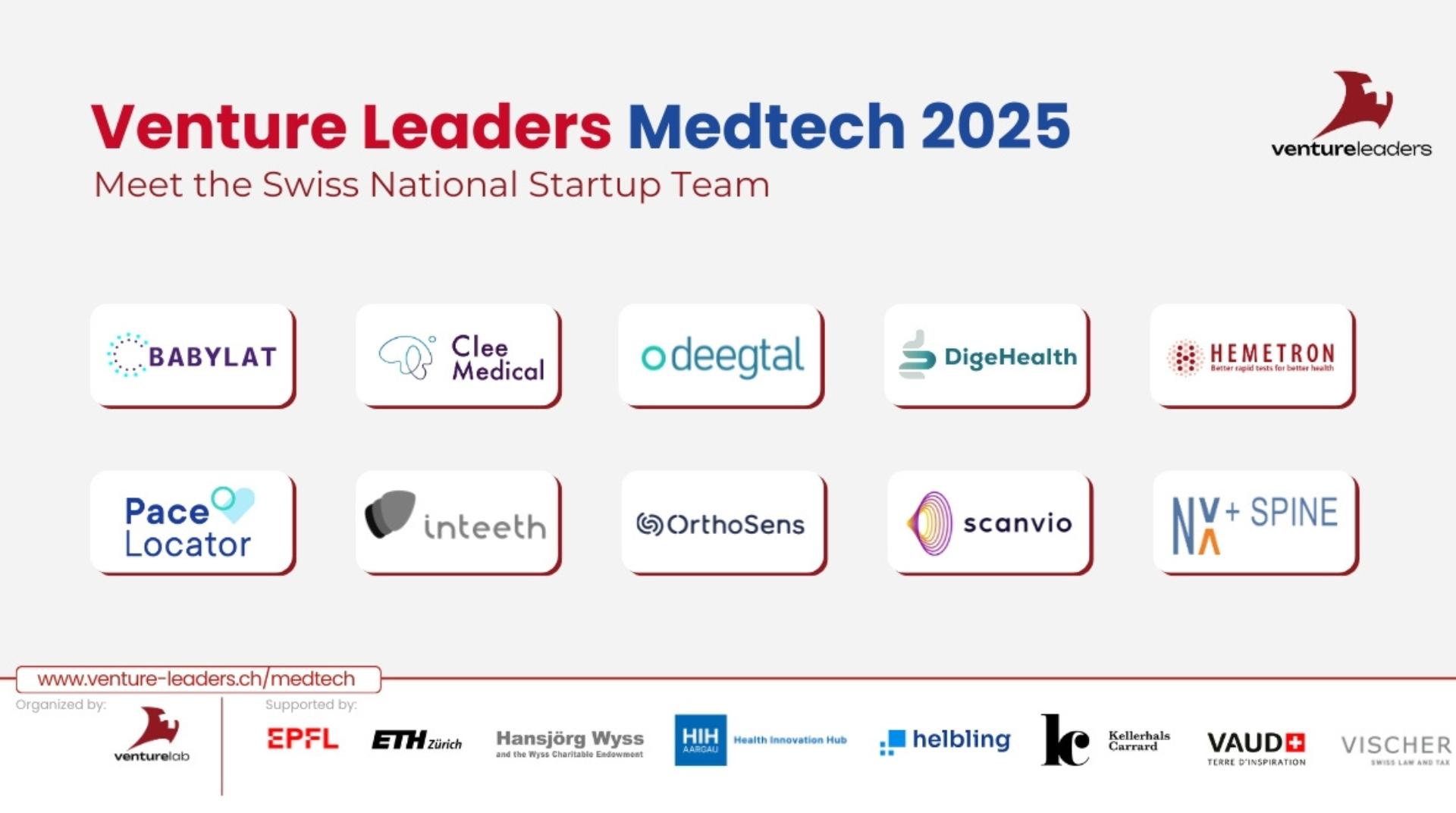
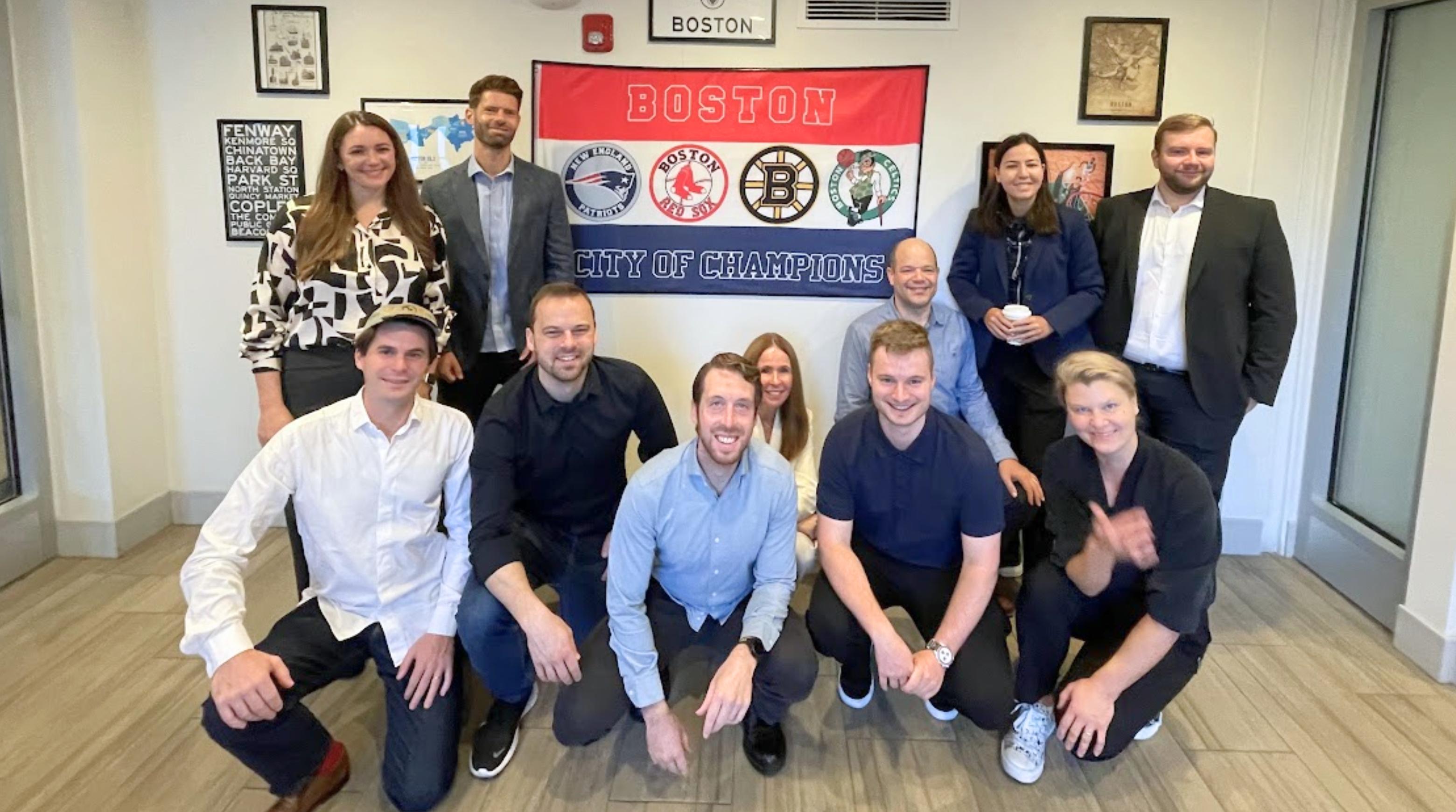
Meet Emily Thompson, CEO of PaceLocator. The Medtech startup device gives cardiologists real-time 3D visualization of cardiac signals to improve treatment safety. In late September, Emily and the other nine Swiss National Medtech Team members will fly to Boston on a business development and investor roadshow.
 Name: Emily Thompson
Location: Biel/Bienne
Nationality: USA
Graduated from: University of Bern (MSc.), University of California San Diego (BSc.)
Job title: Co-Founder & CEO
Number of employees: 2
Money raised: CHF 600k
Can you tell us who your product or solution helps, and how?
Pace Locator helps cardiologists identify pacemaker patients who are at risk of developing pacing-induced heart failure (PICM) due to ventricular dyssynchrony. Our technology turns 12-lead ECGs into a 3D map of the degree of ventricular dyssynchrony, essentially providing visualization of the underlying cause of PICM before mechanical symptoms arise. This enables earlier diagnosis and earlier treatment, a benefit for both healthcare providers and pacemaker patients.
What market are you addressing and what is the potential of your startup in that market?
We’re addressing the cardiovascular market, particularly the market related to pacemakers. As a tool that can be used at every checkup for every pacemaker recipient, our total addressable market is more than 1 Billion USD.
How and where did you come up with the idea for your startup?
This is actually our second idea as a start-up. We pivoted from our original idea to this one after conducting market studies and discovering that a shift in our position would greatly improve both our marketability and our impact on patients. Essentially, we ended up on this idea after investigating the market and finding a problem we can solve.
"The most important principle that guides us
is our desire to translate academic research
into a product that truly benefits patient lives."
is our desire to translate academic research
into a product that truly benefits patient lives."
What do you expect from the Venture Leaders roadshow, and how do you think it will help you achieve your vision?
As an early-stage startup, we think the Venture Leaders roadshow is a fantastic opportunity to cultivate our network while we’re still “young”. With still several years remaining before regulatory approval and market access, the roadshow will help us threefold: to identify potential investors for upcoming financing rounds, to connect with potential clinical partners in the US, and to build visibility that can help with early market access in 2028.
What are your team’s key achievements to date?
Our key achievements are successful pre-seed funding milestones from Innosuisse BRIDGE, Venture Kick, Gebert Rüf Stiftung, and Kickfund. We have also successfully navigated a pivot during our time in the BeAdvanced challenge, and we were the winners of the Ypsomed Innovation Prize in 2022.
Is there a key principle or value that guides you as you build your company?
The most important principle that guides us is our desire to translate academic research into a product that truly benefits patient lives. We believe that innovation and science is most valuable when it makes it to market and improves quality of life and longevity.
What is the most important lesson you have learned as a founder?
The most important lesson I’ve learned is the importance of balancing flexibility with determination. During our pivot phase, it was crucial that we acknowledge the flaws in our gen 1 product and were willing to make the market and technological adaptations needed to find success on the market. It was equally important that we did not let the inevitable bumps in the startup-road stop us from pursuing our dream of improving patient care.
What is your favorite productivity hack or tool and why?
My favorite productivity tool is breaking things down into bite-sized, actionable lists. I’m a big lover of handwritten planners, and I start every week by writing down the priority tasks in pieces I can accomplish each day. It helps prevent me from feeling overwhelmed, while still making sure I get all the work done.
What was your dream job when you were a child?
When I was a child, I loved all things science, especially biology. When I was 6, a microscope was my favorite “toy” and my dream jobs ranged from marine-biologist to astrophysicist. Somewhere along the way I landed in biomedical engineering, which brought me to this new dream of running a MedTech startup.
Augury Medical GmbH: Improving patient care with novel heartbeat visualizations.
Pacemakers help millions of patients regulate their heart rhythm, yet more than 20% of recipients develop pacing-induced heart failure within a few years of implantation. Today, this complication is u... Read more
Related articles
Venture Leaders Medtech 2025: Captain's blog by Stefan Tuchschmid, Co-Founder of Scanvio Medical
read more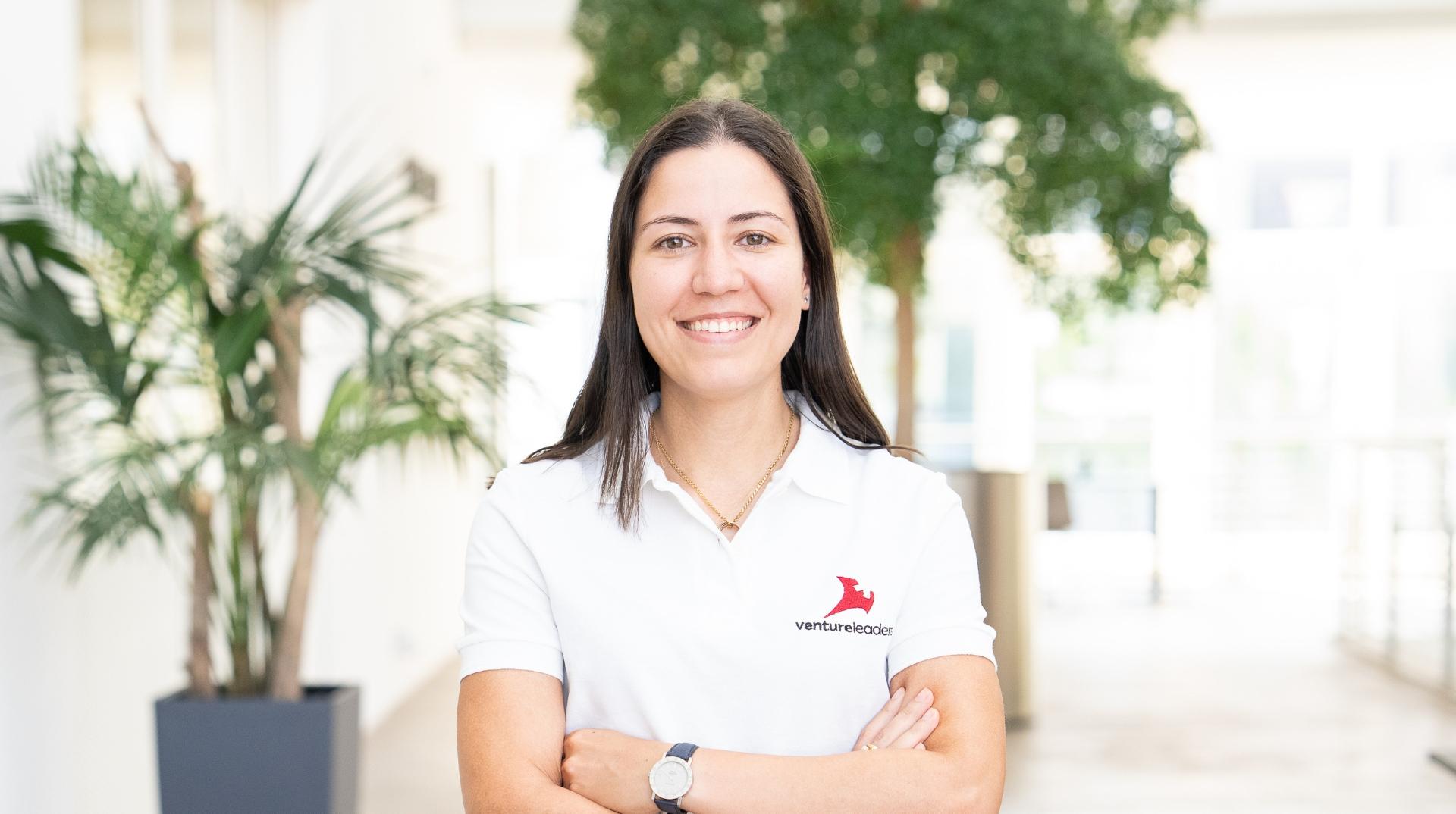
DigeHealth: The Venture Leader Medtech detecting bowel obstructions
read more
Nexilis: The Venture Leader Medtech advancing bone reinforcement
read more
OrthoSens: The Venture Leader Medtech making implants talk
read more
Babylat: The Venture Leader Medtech improving preterm neonatal care with on-site milk fortifiers
read more
Inteeth: The Venture Leader Medtech transforming smiles with patient-friendly, aesthetic orthodontics
read more
Hemetron: The Venture Leader Medtech enabling better treatments through accurate mobile health tests
read more
Clee Medical: The Venture Leader Medtech transforming brain surgery via real-time vision and control
read more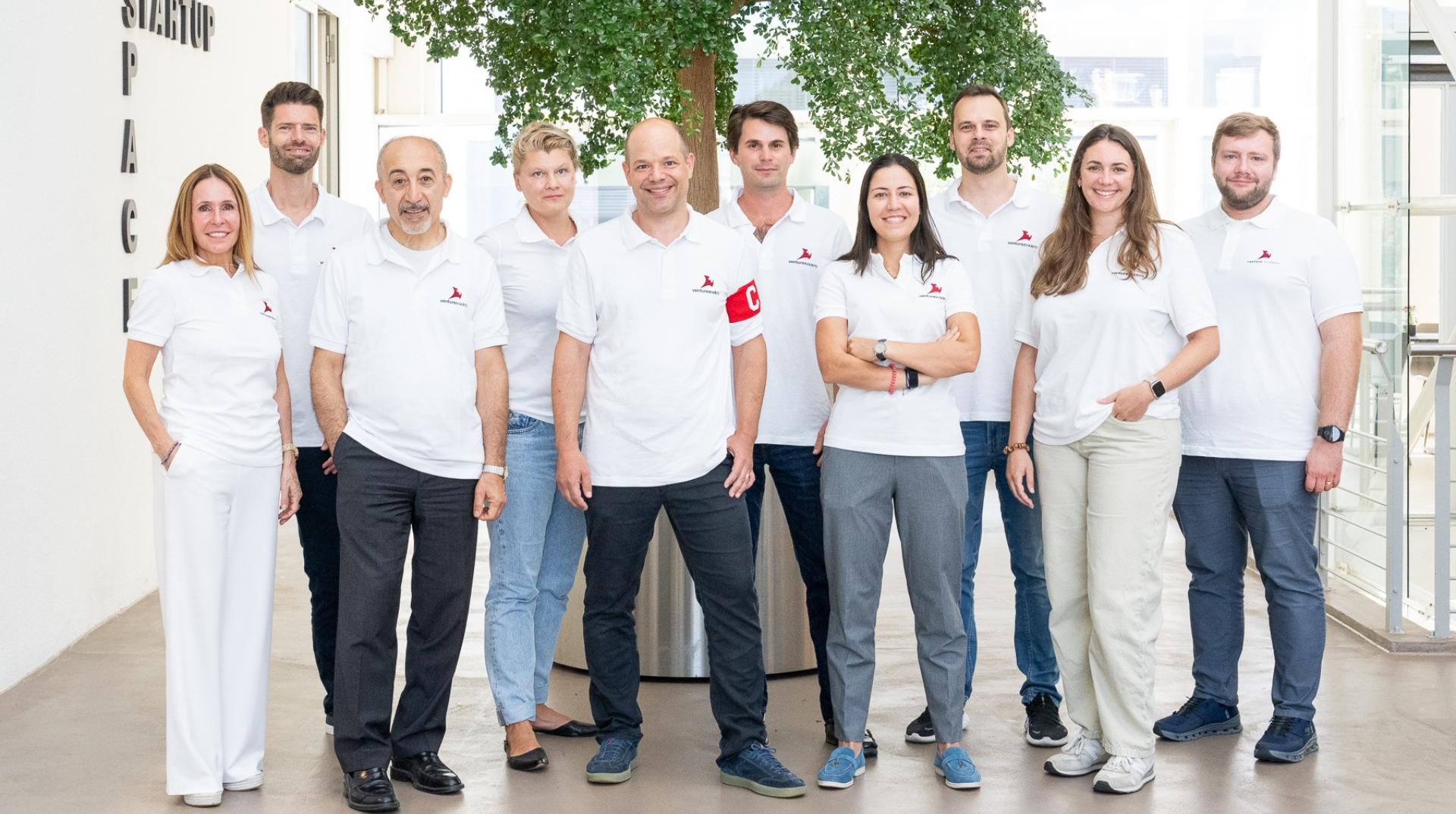
Venture Leaders Medtech 2025 kick-off their Boston roadshow
read more
Scanvio Medical: The Venture Leader Medtech harnessing AI for faster non-invasive endometriosis detection
read more
dEEGtal Insight: The Venture Leader Medtech improving epilepsy diagnosis
read more