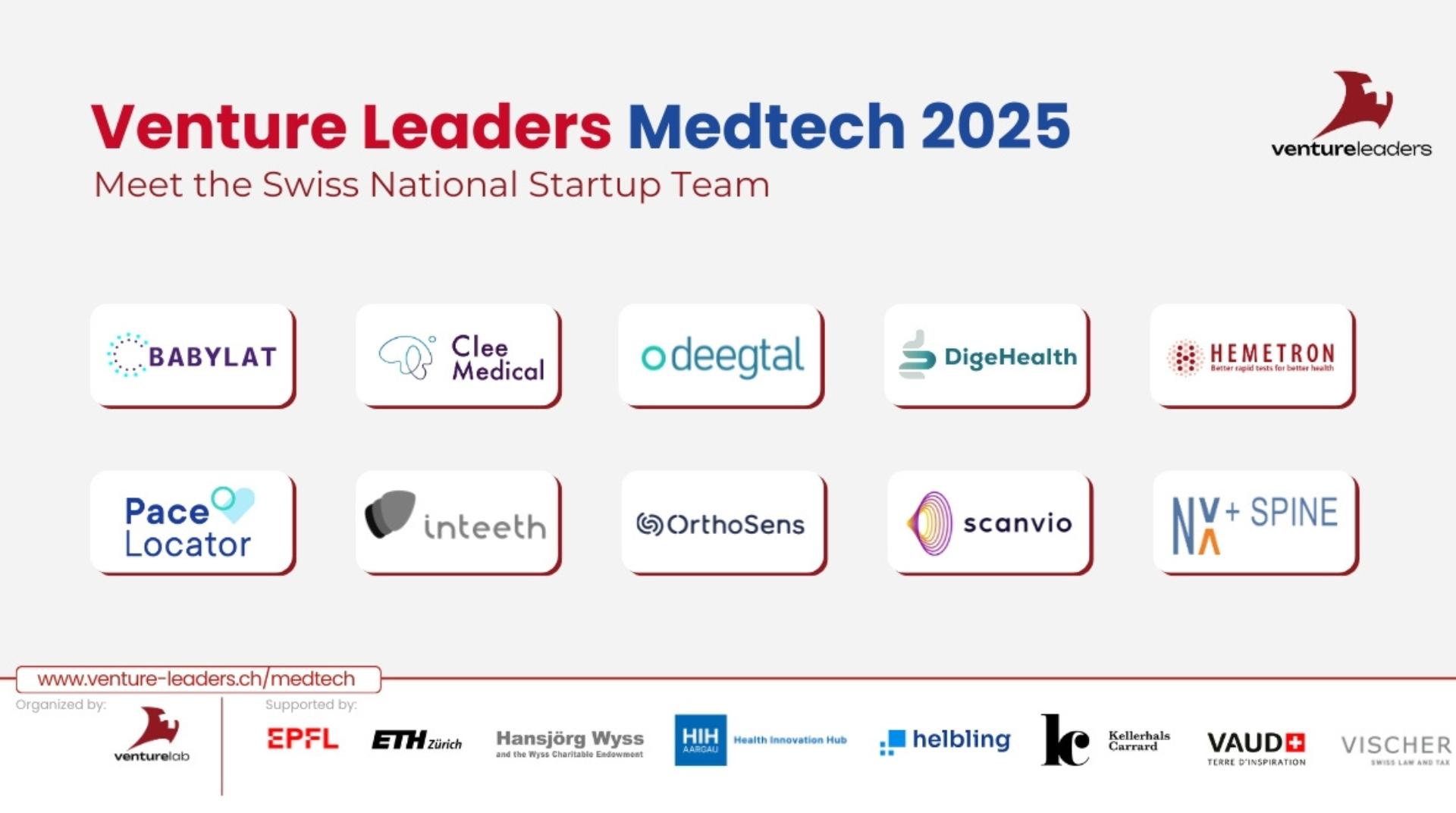
Meet Gwenael Hannema, Founder of OrthoSens. The Medtech startup is transforming recovery with smart orthopedic implants that deliver actionable insights. Next week, Gwenael and the other nine Swiss National Medtech Team members will fly to Boston on a business development and investor roadshow.
 Name: Gwenael Hannema
Location: Switzerland Innovation Park Biel
Nationality: Swiss/Dutch
Graduated from: EPFL - Master in mechanical engineering
Job title: Founder & CEO
Number of employees: 3.5 eq FTE
Money raised: CHF 642k
"Startups are built
on relationships and trust."
on relationships and trust."
Can you tell us who your product or solution helps, and how?
We help patients recovering from orthopedic surgery, by transforming standard implants into connected, data-generating devices. Our battery-free sensors and digital platform capture real-time data on implant load, fusion progress and movement. This gives surgeons and PTs early signals of complications and helps personalize care, while giving patients confidence and a better understanding of their recovery.
What market are you addressing and what is the potential of your startup in that market?
We’re targeting the USD 56B orthopedic implant market and the USD 5.3B remote monitoring market, starting with spine fusion. Around one-third of spine surgeries fail, creating a USD 5.6B annual revision burden in the U.S. alone. At the same time, CMS is pushing for mandatory patient-reported outcomes by 2026. We help capture objective, contextual data versus today’s patient subjective self-reports and paper-based questionnaires. Our solution plugs into existing reimbursement channels (RPM, NTAP, bundle payments) and leverages implant manufacturers distribution channels. Long-term, we aim to scale across multiple indications, starting with spine and expanding to foot and cranial monitoring, to positively impact 30,000 lives by 2030.
How and where did you come up with the idea for your startup?
The idea came from a personal place. Three of my family members went through orthopedic surgeries and the recovery phase felt like a black box: no data, no visibility, just hoping things were healing as expected. After two previous startup failures, I decided to take those hard-earned lessons and focus on solving this problem driven by this personal mission. I realized that if we could give implants the ability to "talk" and stream healing data, we could prevent revision surgeries, improve outcomes and empower patients and clinicians with actionable insight.
What do you expect from the Venture Leaders roadshow, and how do you think it will help you achieve your vision?
US is our primary market. Through Venture Leaders, I want to:
- Connect with U.S.-based investors and industry leaders for feedback on our market entry strategy and funding round
- Build relationships with surgeons and hospitals to gain clinical insight and strengthen our advisory board
- Clarify how to set up a U.S. subsidiary and engage with Remote Patient Monitoring stakeholders
This would complement our market exploration at the NASS Innovation Summit in June 2025 and help us prepare for FDA approval and launch by Q1 2028.
"At OrthoSens, we want to replace
guesswork with a continuous recovery movie."
guesswork with a continuous recovery movie."
What are your team’s key achievements to date?
In 18 months, we've developed battery-free sensors and integrated them into three functional PoC implants. We filed our core IP, began building our SensApp platform, secured CHF 642k in non-dilutive funding and signed our first exploratory partnership with a French orthopedic manufacturer. We've also assembled a committed team and a seasoned board, including Philippe Etter (Medidee co-founder – successful exit), Kelly Carroll (former Global Launch Excellence Director at Novartis), and Prof. Alex Alfieri (Chairman of Neurosurgery at KSW) complemented by experienced Medtech advisors helping us move strategically and avoid common pitfalls.
Is there a key principle or value that guides you as you build your company?
One principle that drives me is the belief that healing shouldn’t be a black box. Patients and care teams shouldn’t have to fly blind when trying to actively steer their patient recovery. I love the quote from Dr. Bill Hunter, CEO of Canary Medical: “We put in implants with sub-millimeter accuracy but we measure the outcomes with a sextant.” In the data-driven world we live in, relying on subjective self-reports and sporadic X-rays (static snapshots of a dynamic process) isn’t enough. At OrthoSens, we want to replace that guesswork with a continuous recovery movie. That clarity empowers patient engagement, improves care decisions and ultimately drives better outcomes.
What is the most important lesson you have learned as a founder?
Startups are built on relationships and trust. If there’s a misalignment: between co-founders, partners or even early customers, you need to address it early. I’ve been through a failed co-founder dynamic and a tough pivot due to regulatory shifts. These experiences left some entrepreneurial scars and taught me to ask hard questions early, bring experienced advisors onboard and keep communication clear.
What is your favorite productivity hack or tool and why?
I keep a handwritten weekly review, couple of bullet points on what worked, what didn’t and what’s next. It helps me zoom out, stay grounded and focused on progress rather than noise.
What was your dream job when you were a child?
I wanted to be a test pilot. I even earned my ULM pilot license at 17. I was drawn to the freedom, the perspective and the challenge of navigating fast-changing conditions while keeping track of the bigger picture. In many ways, building a startup feels similar, you’re steering through constant uncertainty, adapting in real time but always moving toward a mission. I feel lucky that I’ve been able to combine my early passions and channel them into Medtech, where bringing meaningful innovation to patients is my North Star.
OrthoSens SA: Making standard orthopedic implants smart.
Orthopedic recovery relies on X-rays and sporadic follow-ups. Surgeons depend on subjective patient self-reports, risking delayed & costly reoperation. Canary Medical knee sensor showed monitored pati... Read more
Related articles
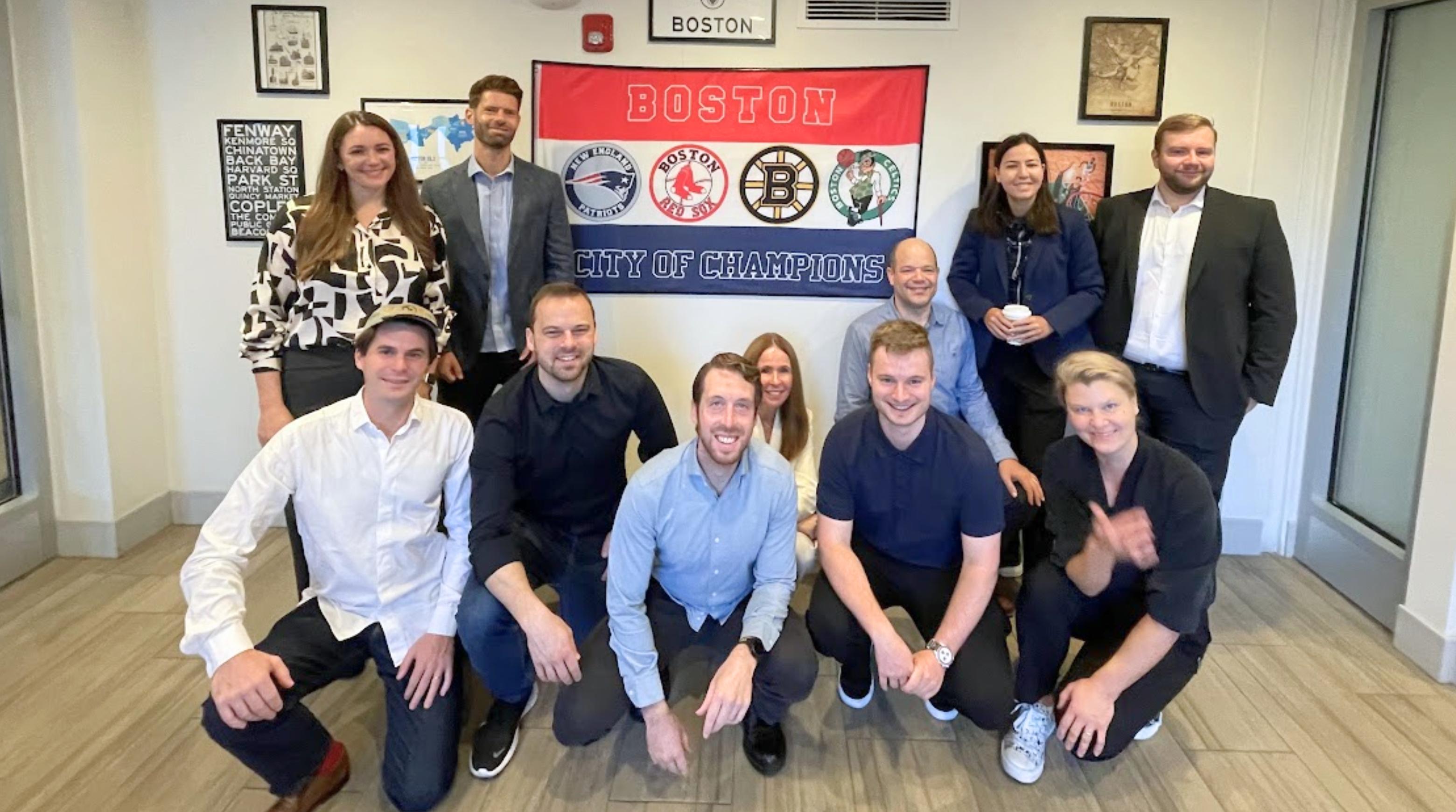
Venture Leaders Medtech 2025: Captain's blog by Stefan Tuchschmid, Co-Founder of Scanvio Medical
read more
DigeHealth: The Venture Leader Medtech detecting bowel obstructions
read more
Nexilis: The Venture Leader Medtech advancing bone reinforcement
read more
Babylat: The Venture Leader Medtech improving preterm neonatal care with on-site milk fortifiers
read more
PaceLocator: The Venture Leader Medtech revolutionizing cardiac care with real-time, 3D heart visualization
read more
Hemetron: The Venture Leader Medtech enabling better treatments through accurate mobile health tests
read more
Clee Medical: The Venture Leader Medtech transforming brain surgery via real-time vision and control
read more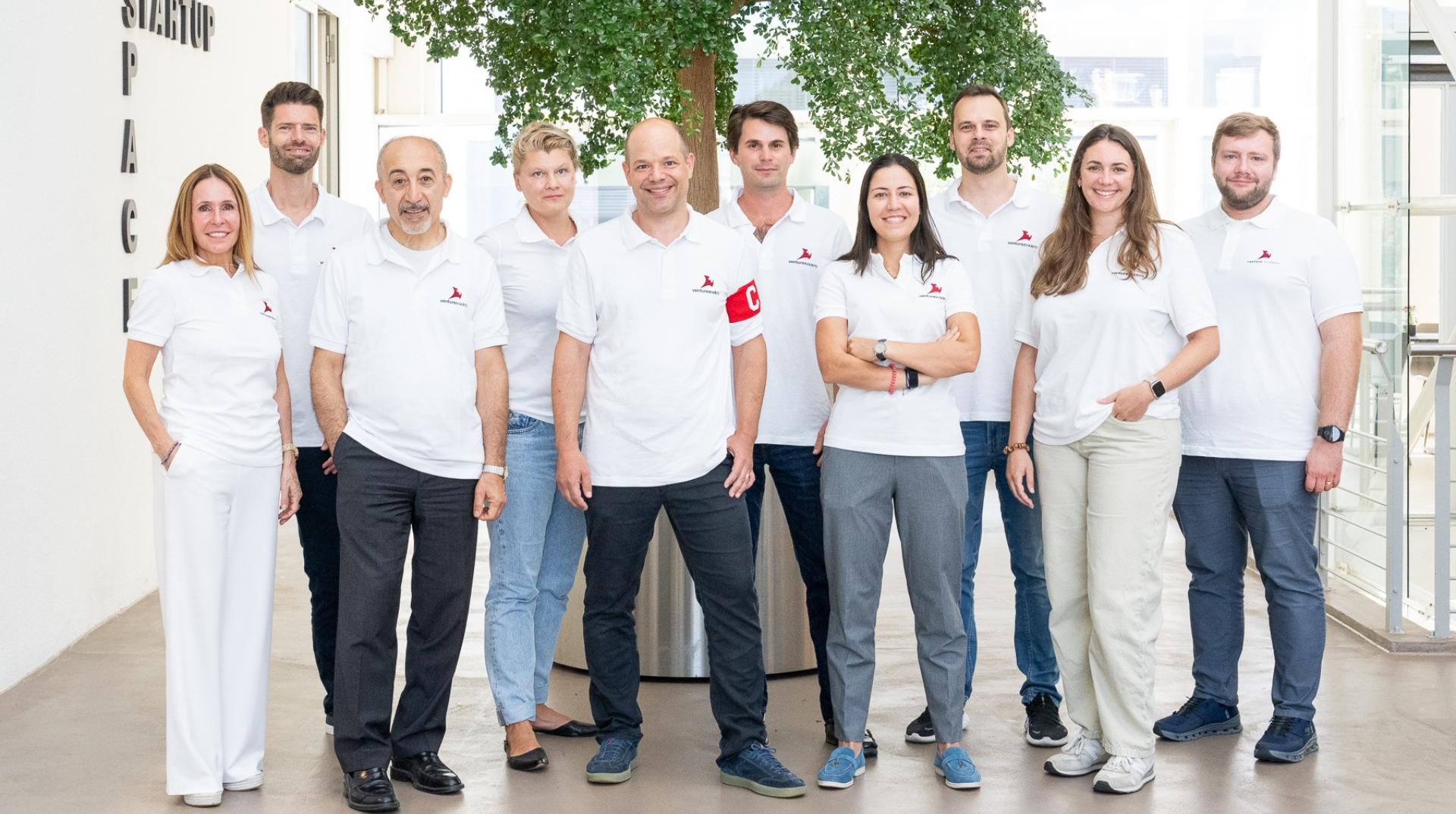
Venture Leaders Medtech 2025 kick-off their Boston roadshow
read more
Scanvio Medical: The Venture Leader Medtech harnessing AI for faster non-invasive endometriosis detection
read more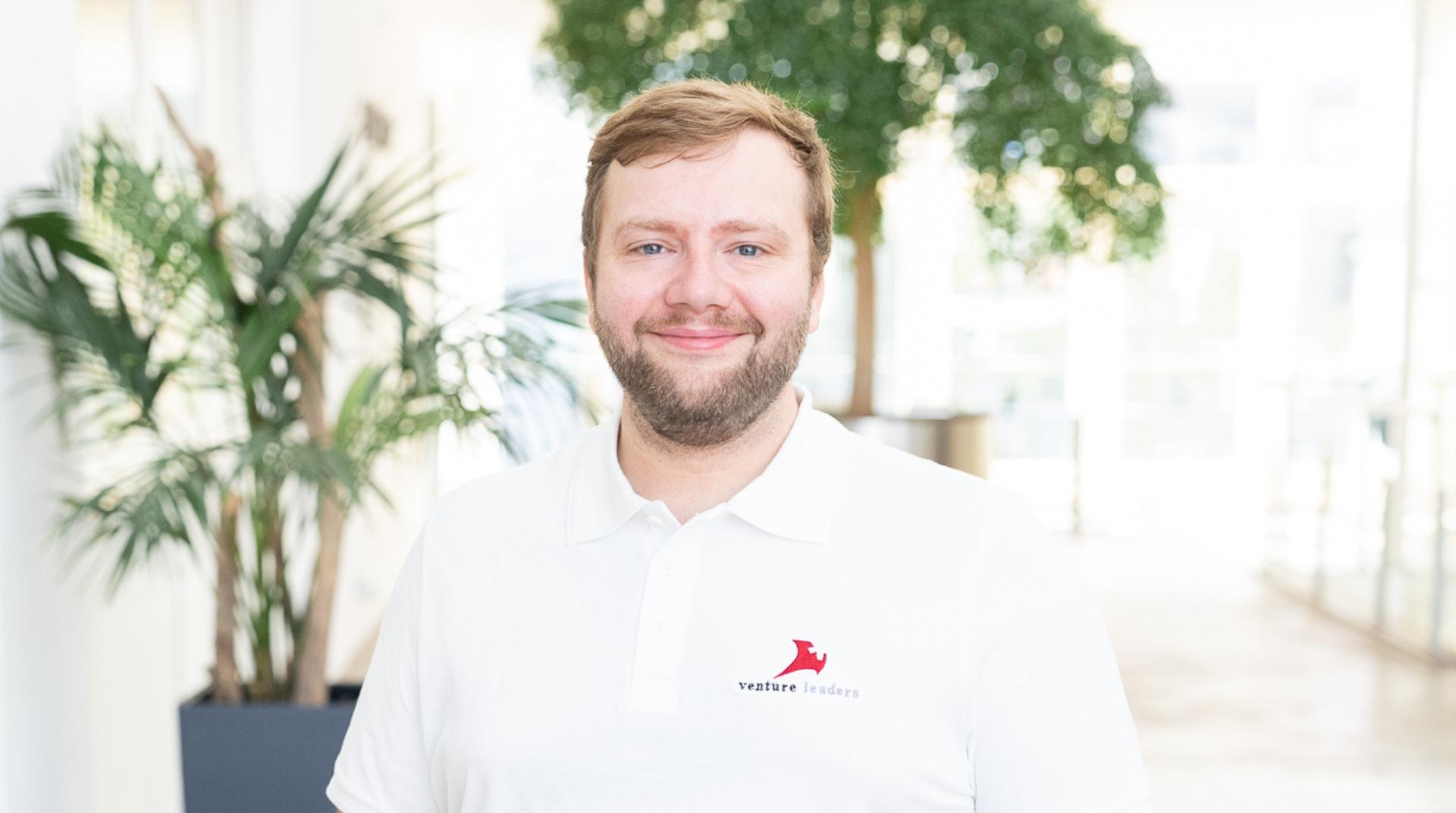
dEEGtal Insight: The Venture Leader Medtech improving epilepsy diagnosis
read more