Meet Zina Yudina, CEO of Babylat. The Medtech startup proprietary bedside technology allows fast, efficient extraction of human milk protein. Next week, Zina and the other nine Swiss National Medtech Team members will fly to Boston on a business development and investor roadshow.
 Name: Zina Yudina
Location: Bern
Nationality: Russian-Italian
Graduated from: University of Kent (UK)
Job title: CEO
Number of employees: 3
Money raised: CHF 0.84 M
Babylat provides a medical device that allows hospitals to produce individualized human milk fortifiers directly from mother’s own milk or donor milk. These fortifiers are essential for preterm and low birthweight infants, whose nutritional needs exceed what breast milk alone can provide during the first 2–3 months of life. By enabling on-site fortification from human milk, Babylat offers a safer, more natural alternative to cow milk–based products — supporting better growth and reducing the risk of complications like NEC.
What market are you addressing and what is the potential of your startup in that market?
Babylat is entering the U.S. neonatal nutrition market, where human milk–derived fortifiers have been used for over 20 years but remain costly and limited in access. NEC rates are higher than in Europe, and more than 1,000 lawsuits have been filed against cow milk–based fortifier manufacturers, underscoring the need for safer options. Babylat’s low-cost, locally produced fortifier addresses this urgency, with potential beyond the U.S. in markets such as India and the Middle East, tackling a multi-billion-dollar need at the intersection of neonatal care, maternal milk banking, and biotechnology.
How and where did you come up with the idea for your startup?
The idea began with a vision to support working mothers, whose breastfeeding often ends earlier than WHO recommendations. I imagined a device to concentrate proteins and fats from milk into smaller volumes for storage and later use, even after lactation.
When I shared this with a leading neonatologist, he saw its potential for preterm infants: hospitals could create individualized human milk fortifiers from a mother’s own milk instead of using bovine-based products. That insight became the foundation of Babylat.
"Clarity in thought
leads to clarity in action."
leads to clarity in action."
What do you expect from the Venture Leaders roadshow, and how do you think it will help you achieve your vision?
The U.S. is Babylat’s most important market, with the most advanced ecosystem for human milk–based neonatal nutrition. More than five companies in the U.S. are developing products for preterm infants, compared to only two in Europe — a sign of stronger clinical acceptance and a more mature regulatory and commercial framework.
As we join the Venture Leaders Medtech program in Boston, a leading medtech hub, we aim to raise awareness of Babylat and connect with investors, clinicians, and industry partners to advance our device for preterm infants who depend on their mother’s milk to survive and grow.
What are your team’s key achievements to date?
We’ve progressed from scratch on a lean budget, building a fully automated proof-of-concept device now ready for clinical studies, with several hospitals prepared to start. Our human milk–derived fractions have proven safe, hygienic, and nutritionally suited for preterm infants, with in vitro data showing strong immunoactivity preserved by our gentle process. We hold three patent applications—two granted (U.S. and Switzerland) and one accepted in Europe—and have defined our regulatory roadmap for the next stage.
Is there a key principle or value that guides you as you build your company?
Transparency is the key principle that guides us. We believe that building trust—with clinical partners, regulators, investors, and especially with the families we aim to serve—starts with being open about our process, our data, and our decisions. It shapes how we collaborate, how we communicate, and how we grow as a team and company.
What is the most important lesson you have learned as a founder?
The most important lesson I’ve learned as a founder is the value of clear thinking and simple communication. You need to first understand what truly matters—what’s the priority, what can wait, and what’s the most direct path forward. Only then can you explain it in simple, effective language that moves things ahead. Clarity in thought leads to clarity in action.
What is your favorite productivity hack or tool and why?
I wouldn’t say there’s a universal productivity trick that works for everyone, but for me, doing several things in parallel is the most effective. When I get tired or stuck on one task, I switch to another—it helps me stay fresh and productive, and I often manage to deliver multiple documents in parallel without losing focus. I also take little breaks with my pets—my dog, two cats, and recently an aquarium—which helps me reset and recharge.
That said, this trick definitely doesn’t work with my kids—they only absorb attention and energy :)
What was your dream job when you were a child?
When I was a child, I dreamed of either drawing cartoons or becoming a vet. So I guess now I’ve landed somewhere in between—creating something meaningful and caring for living things, just not exactly the way I imagined! Let’s call it a creative detour.
Babylat AG: On-site human milk fortifiers for preterm neonates in NICUs
Very low birth weight (VLBW) preterm infants (<1.5 kg) require up to four times more protein and energy than human milk alone provides. Without adequate fortification, they face poor weight gain and l... Read more
Related articles
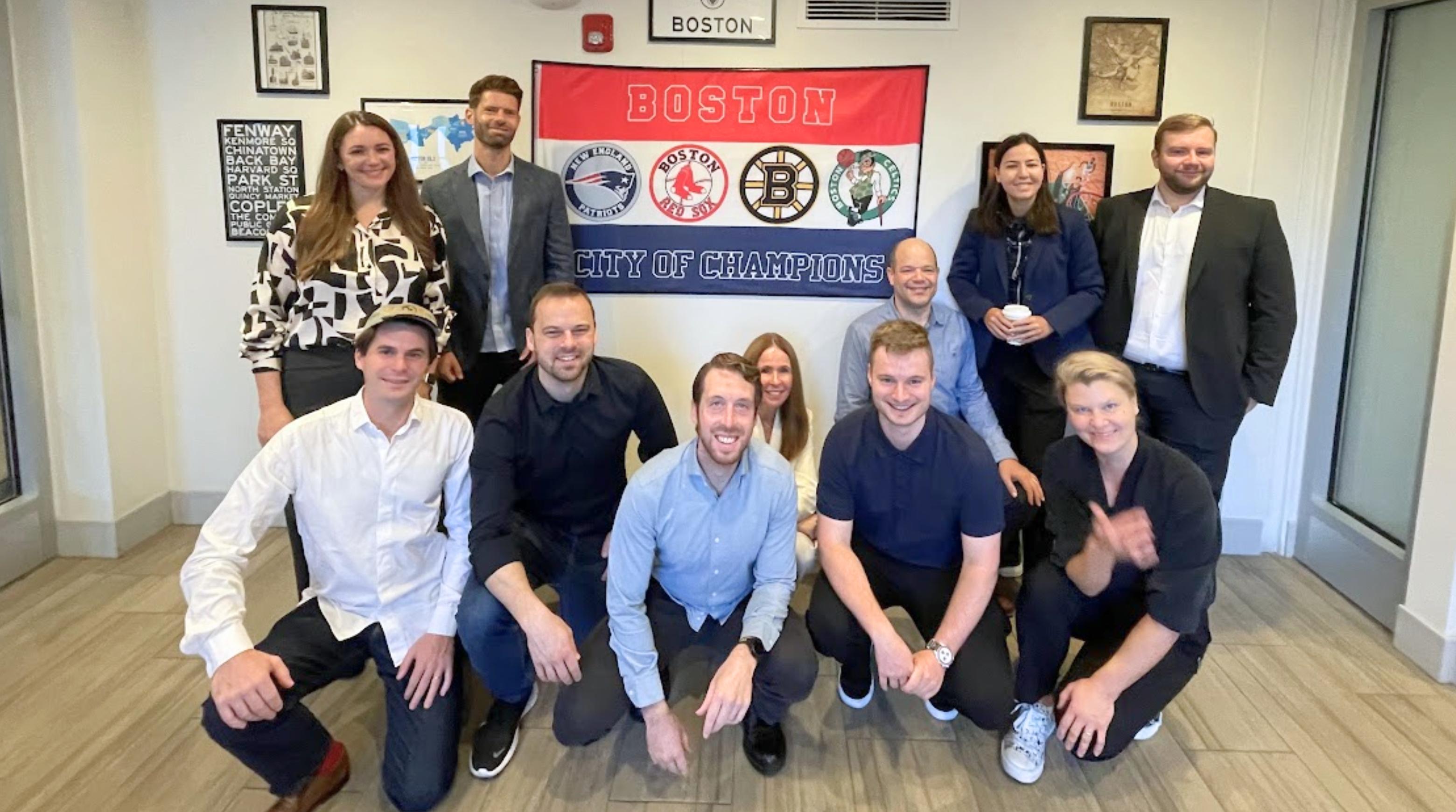
Venture Leaders Medtech 2025: Captain's blog by Stefan Tuchschmid, Co-Founder of Scanvio Medical
read more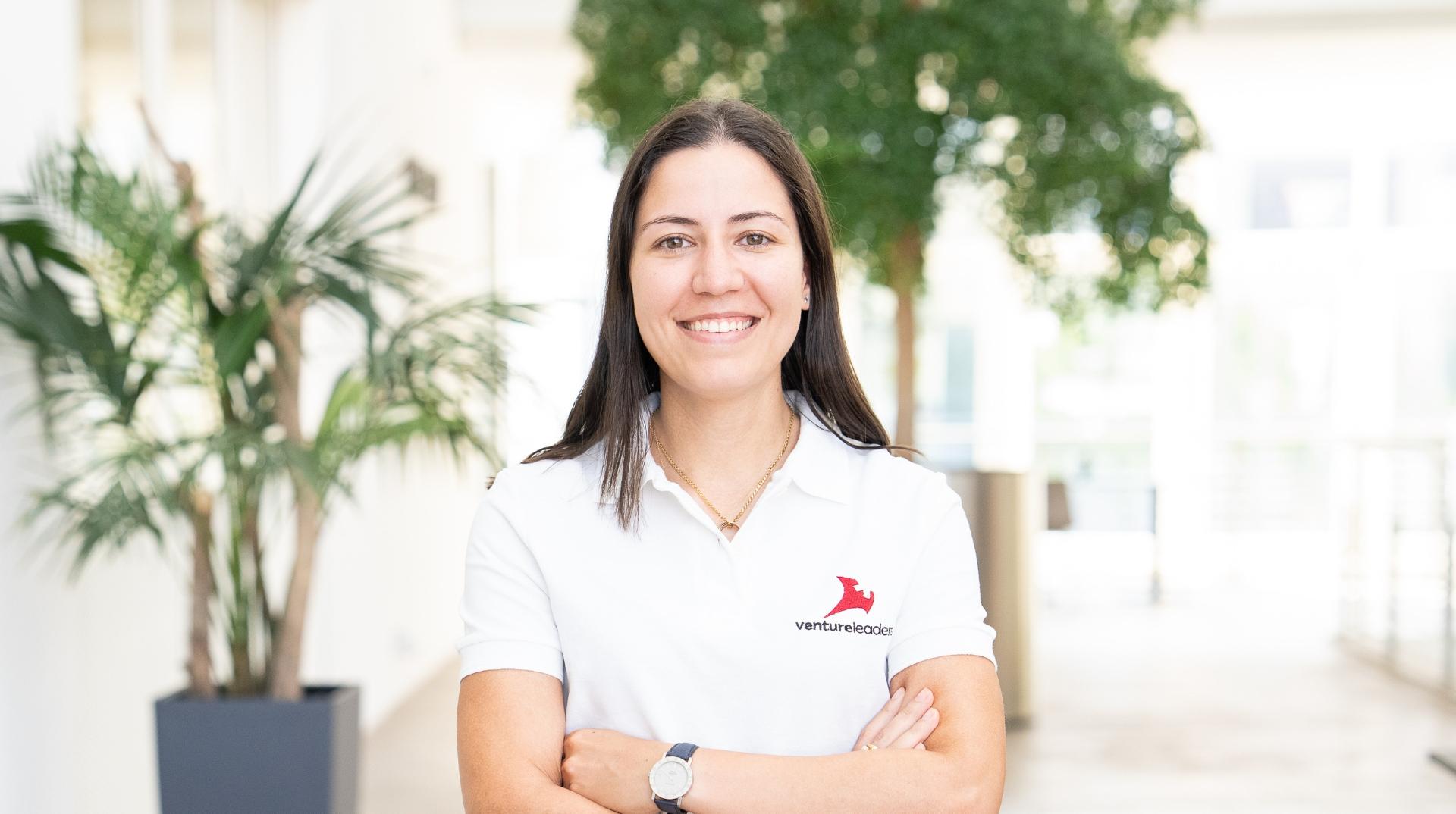
DigeHealth: The Venture Leader Medtech detecting bowel obstructions
read more
Nexilis: The Venture Leader Medtech advancing bone reinforcement
read more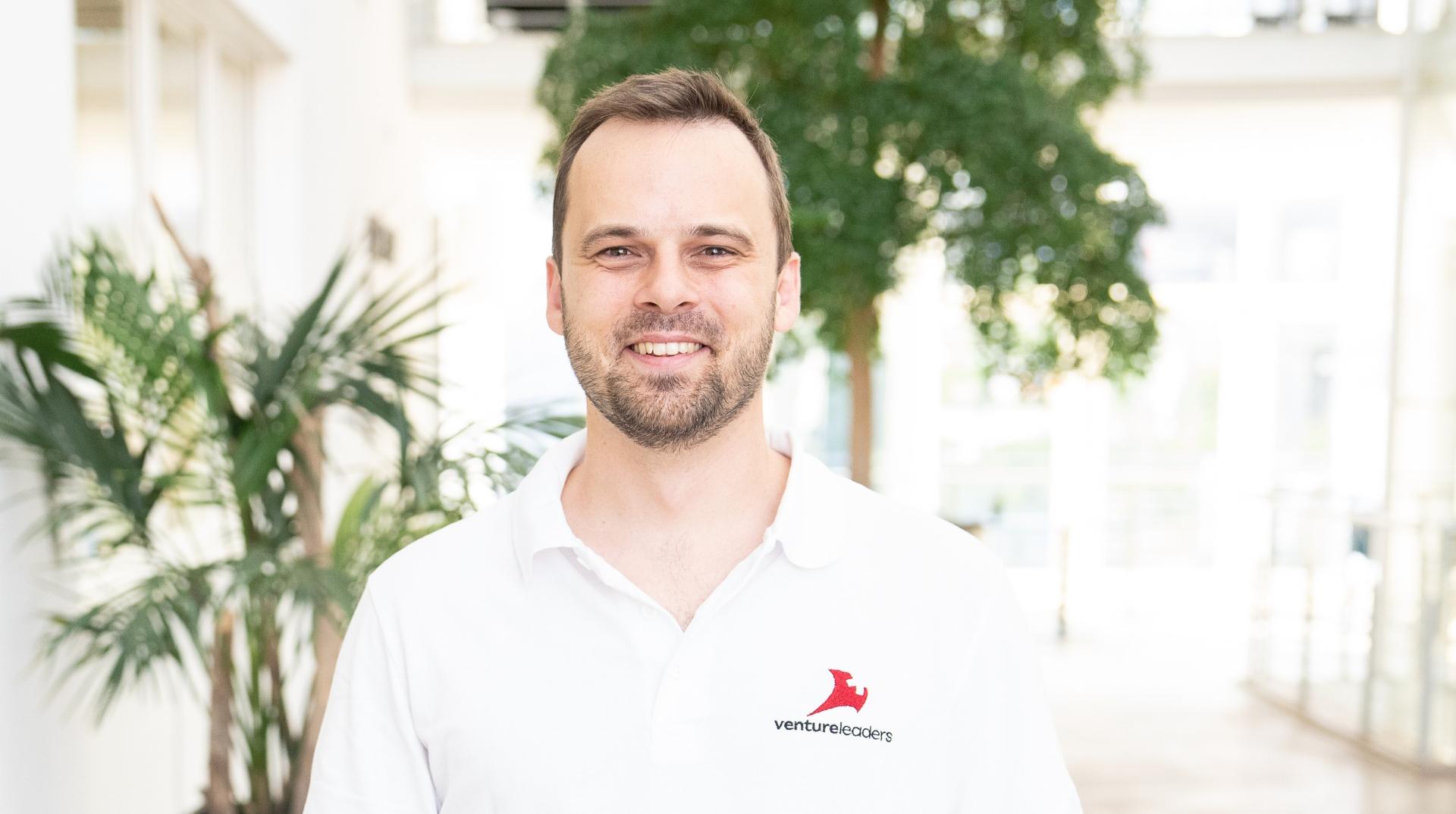
OrthoSens: The Venture Leader Medtech making implants talk
read more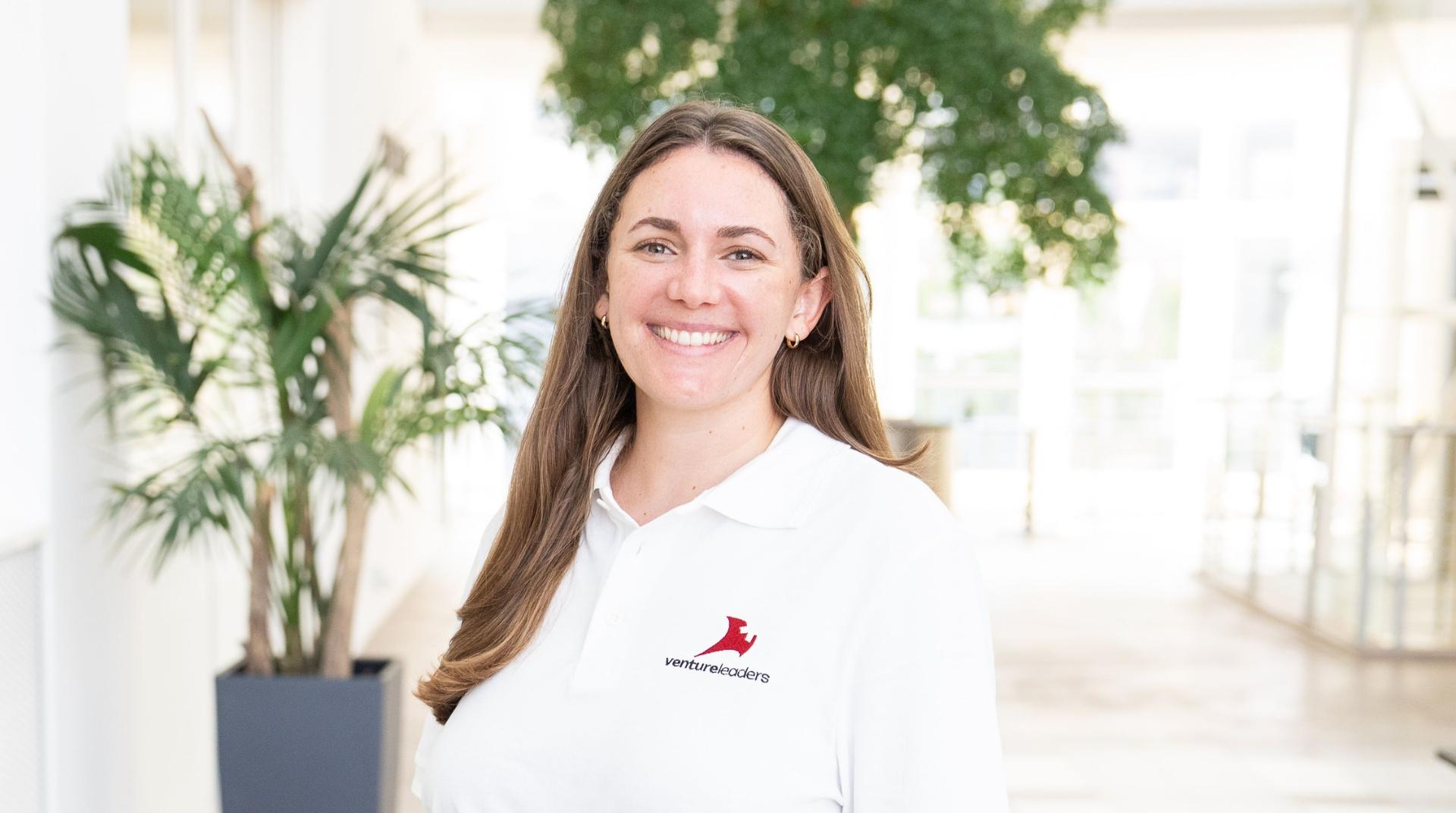
PaceLocator: The Venture Leader Medtech revolutionizing cardiac care with real-time, 3D heart visualization
read more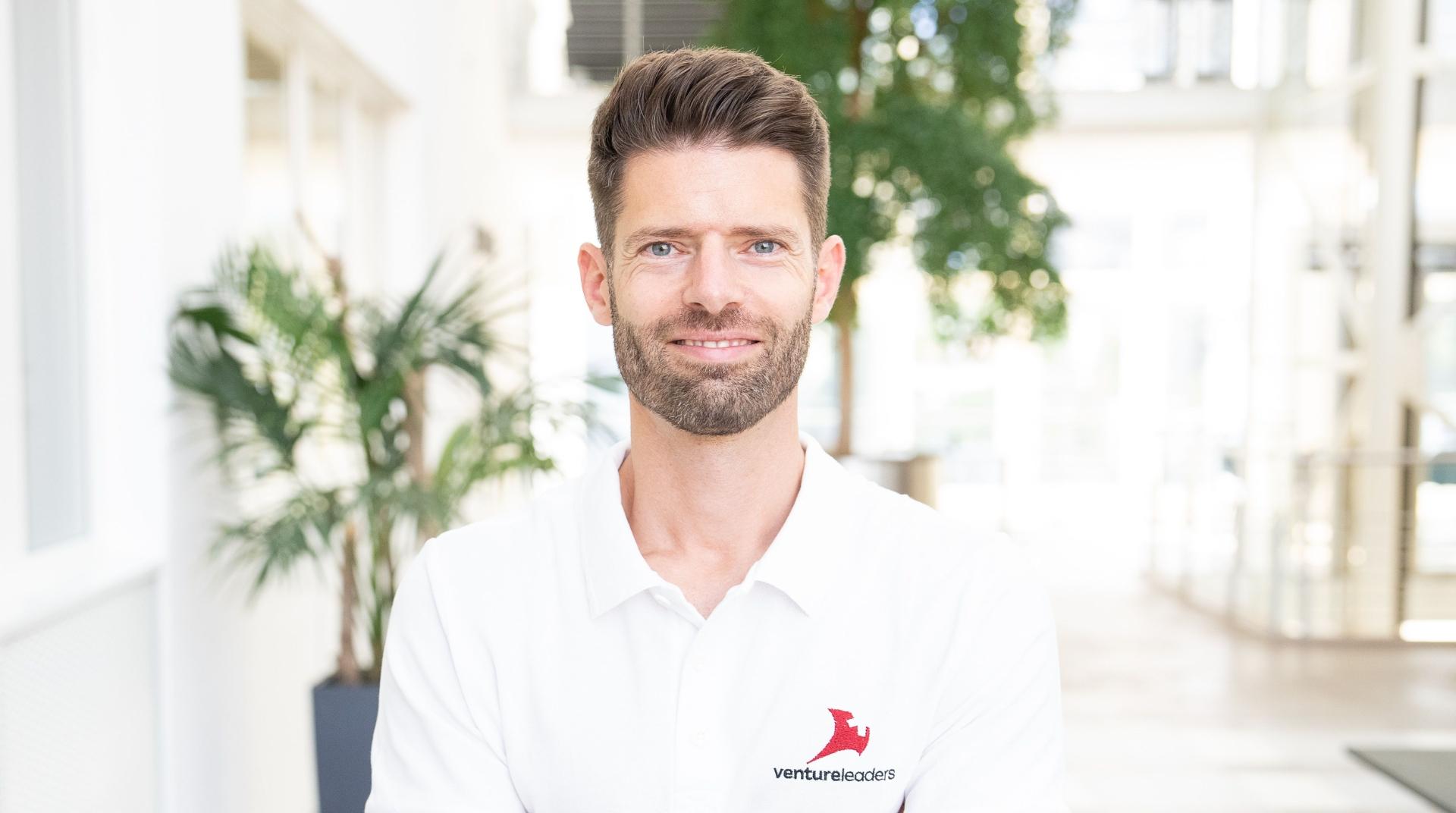
Hemetron: The Venture Leader Medtech enabling better treatments through accurate mobile health tests
read more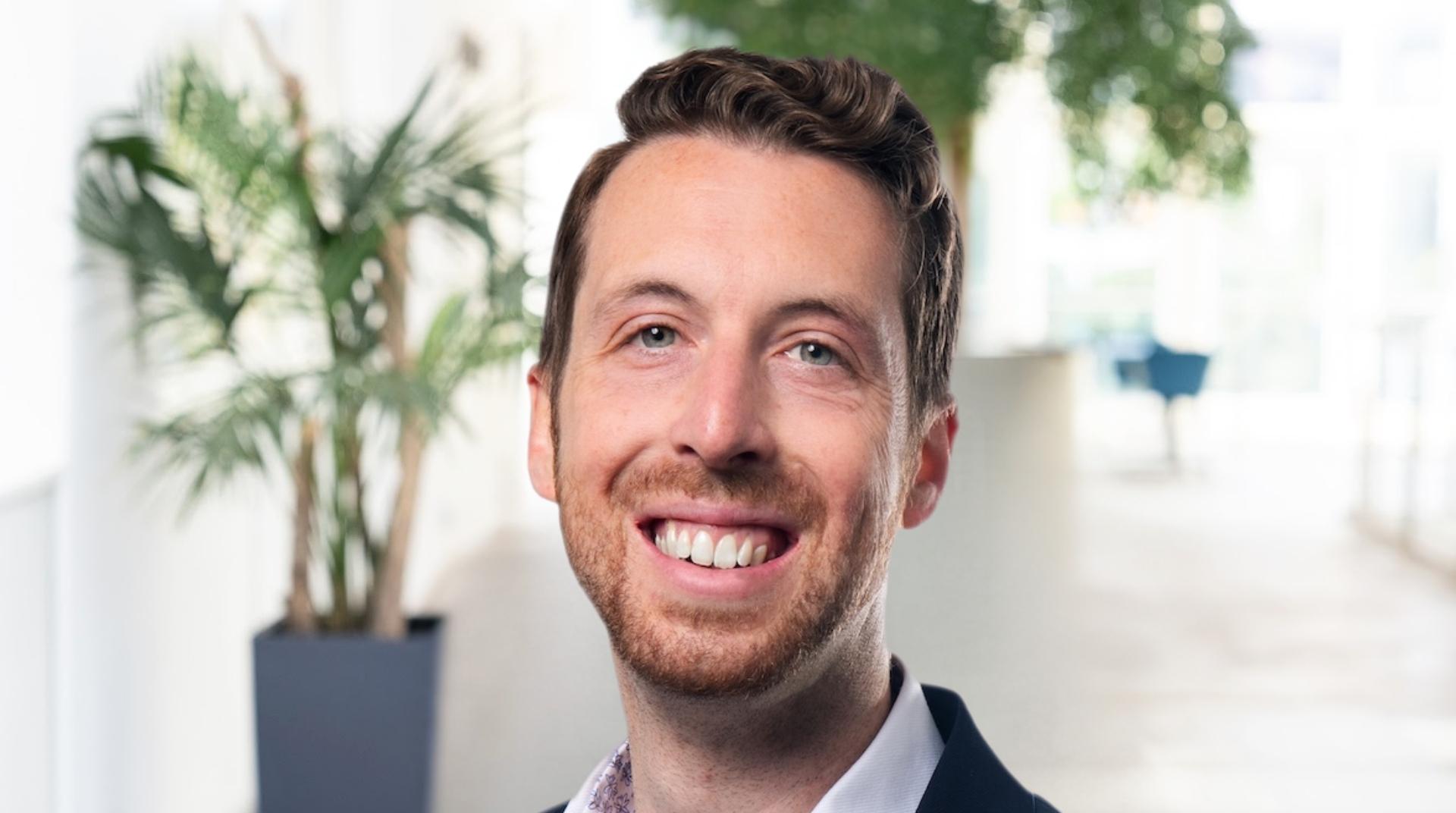
Clee Medical: The Venture Leader Medtech transforming brain surgery via real-time vision and control
read more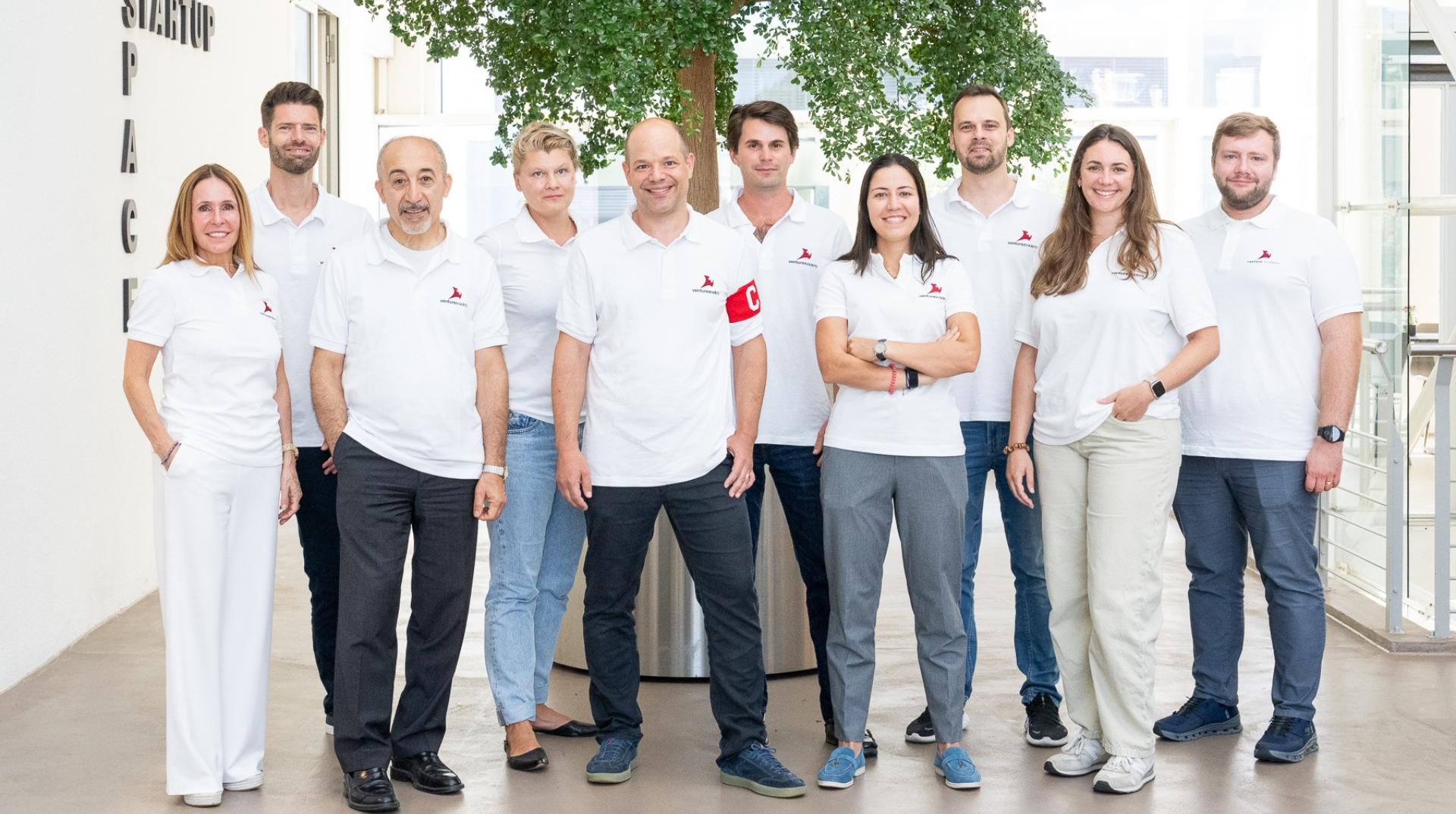
Venture Leaders Medtech 2025 kick-off their Boston roadshow
read more
Scanvio Medical: The Venture Leader Medtech harnessing AI for faster non-invasive endometriosis detection
read more
dEEGtal Insight: The Venture Leader Medtech improving epilepsy diagnosis
read more