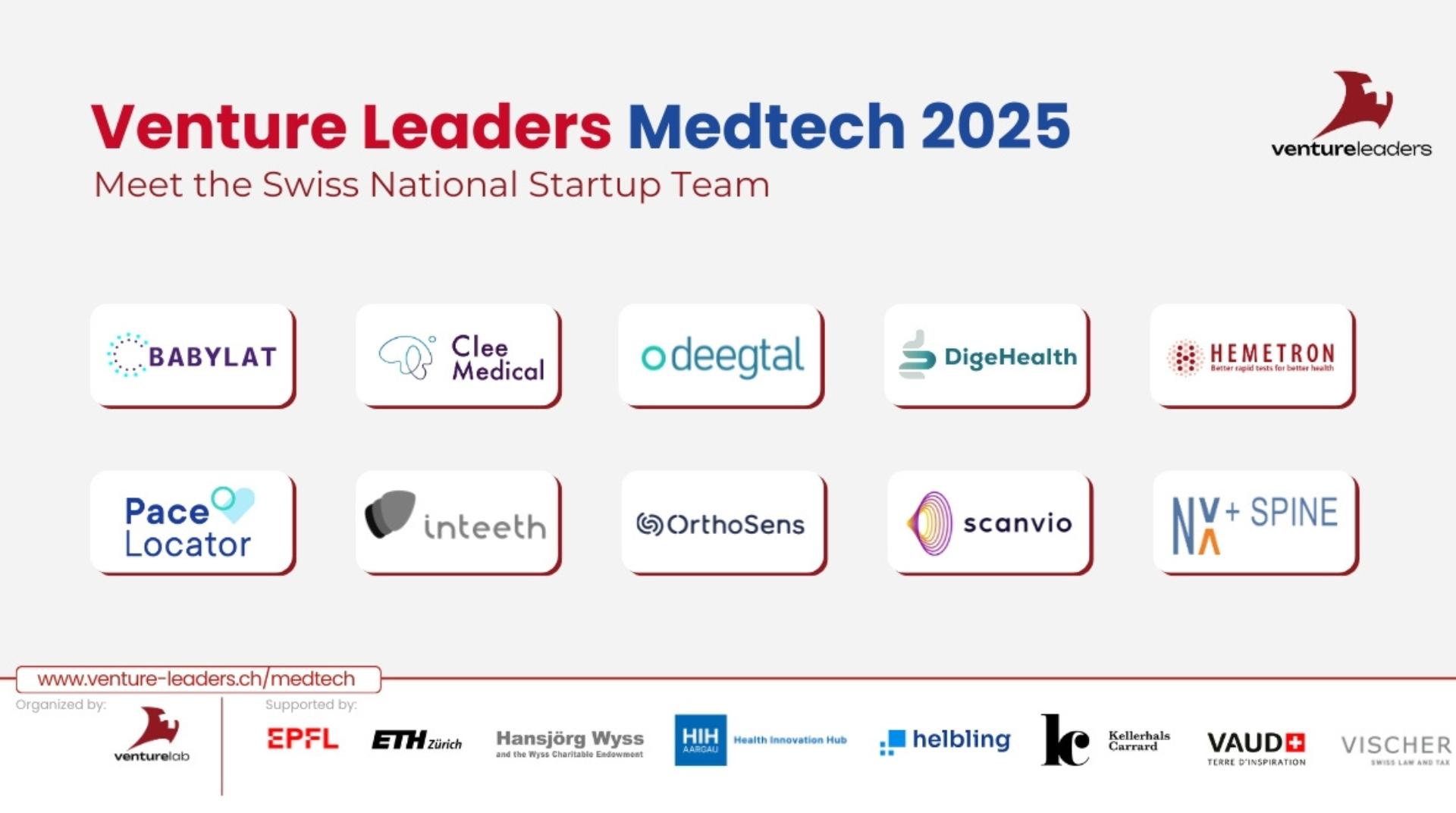
Meet Nour Ghalia Abassi, CEO of DigeHealth. The Medtech startup analyzes and monitors bowel sounds, thereby preventing them. Next week, Nour and the other nine Swiss National Medtech Team members will fly to Boston on a business development and investor roadshow.
 Name: Nour Ghalia Abassi
Location: Lausanne, Switzerland
Nationality: Tunisian
Graduated from: EPFL (MSc in Data Science, minor in Entrepreneurship)
Job title: CEO
Number of employees: 4
Money raised: CHF 1M
Can you tell us who your product or solution helps, and how?
DigeHealth helps hospitals, healthcare professionals, and patients by providing a non-invasive, continuous, and intelligent monitoring system for bowel function. Our solution detects and processes acoustic signals and vital signs, enabling earlier identification of complications such as post-operative ileus (POI) or bowel obstructions, while paving the way for personalized care pathways in chronic and neurogenic gut conditions.
What market are you addressing and what is the potential of your startup in that market?
We address a major gap in gastrointestinal care. Post-operative ileus affects 1 in 4 major surgeries, while over 12% of the population lives with chronic bowel disorders. Current monitoring is subjective and late. DigeHealth provides a scalable, non-invasive solution for real-time, objective insights, helping hospitals act earlier, cut ICU admissions, and personalize care—tapping into a multi-billion-dollar market in recovery and chronic disease management.
"Trust and humility guide everything we do."
How and where did you come up with the idea for your startup?
I was working in sound when a healthtech project during the pandemic shifted my focus to clinical impact. With Evoleen and Dr. Daniel Pohl, we explored bowel sounds and found no objective, non-invasive way to monitor bowel function. Since these sounds hold valuable data for detecting complications and managing gut health, we founded DigeHealth.
What do you expect from the Venture Leaders roadshow, and how do you think it will help you achieve your vision?Through the Venture Leaders Medtech program, we aim to strengthen our U.S. expansion strategy and connect with investors, industry leaders, and partners who can support us toward clinical validation and regulatory milestones. We also look forward to exchanging with fellow founders and building the foundations for DigeHealth’s long-term global growth.
What are your team’s key achievements to date?
Our first clinical study at Mongi Slim Hospital, involving over 100 patients, confirmed that bowel sounds correlate with clinically significant findings like polyps and endoscopic anomalies. This was a breakthrough moment—proving that a non-invasive signal we often overlook could unlock powerful diagnostic insights. These results, presented at UEG 2024, laid the foundation for our core algorithms and confirmed we were solving a real, unmet need.
Since then, we've turned vision into traction:
> Secured our first paid clinical partnership with the Swiss Paraplegic Center to help patients regain control over their bowel function.
> Built strategic hospital collaborations across Switzerland to move from concept to clinical validation.
Is there a key principle or value that guides you as you build your company?
Trust and humility guide everything we do. In healthcare, you’re working with people’s lives, which means trust must be earned at every level—with patients, clinicians, and partners. Humility keeps us grounded: it reminds us to listen, to learn constantly, and to stay focused on solving real problems rather than chasing hype. These values help us build meaningful collaborations and create a product that people can truly rely on.
What is the most important lesson you have learned as a founder?
Resilience, and learning to embrace failure. Building something from scratch means hearing no more than yes, facing uncertainty daily, and constantly being told you're too early, too ambitious, or too unconventional. I've learned that failure isn’t something to fear—it’s part of the process. Every setback brings clarity, and every obstacle is a chance to adapt and grow. The key is to stay committed, stay curious, and keep moving—especially when it gets hard.
What is your favorite productivity hack or tool and why?
A padel match, a deep conversation with another founder, or a quiet evening with friends. Stepping away is sometimes the only way to see clearly again.
What was your dream job when you were a child?
A professional tennis player. It taught me discipline, mental strength, and the ability to approach every point as a new opportunity—regardless of the score. That mindset stays with me today: focus on the next move while learning from the last mistake.
DigeHealth SA: 24/7 non-invasive solution for bowel obstruction prevention.
There are more than 8M abdominal surgeries per year. 1 patient over 4 will suffer from a bowel obstruction. Additionally, 60% of Crohn disease patient will suffer from bowel obstructions. Without time... Read more
Related articles
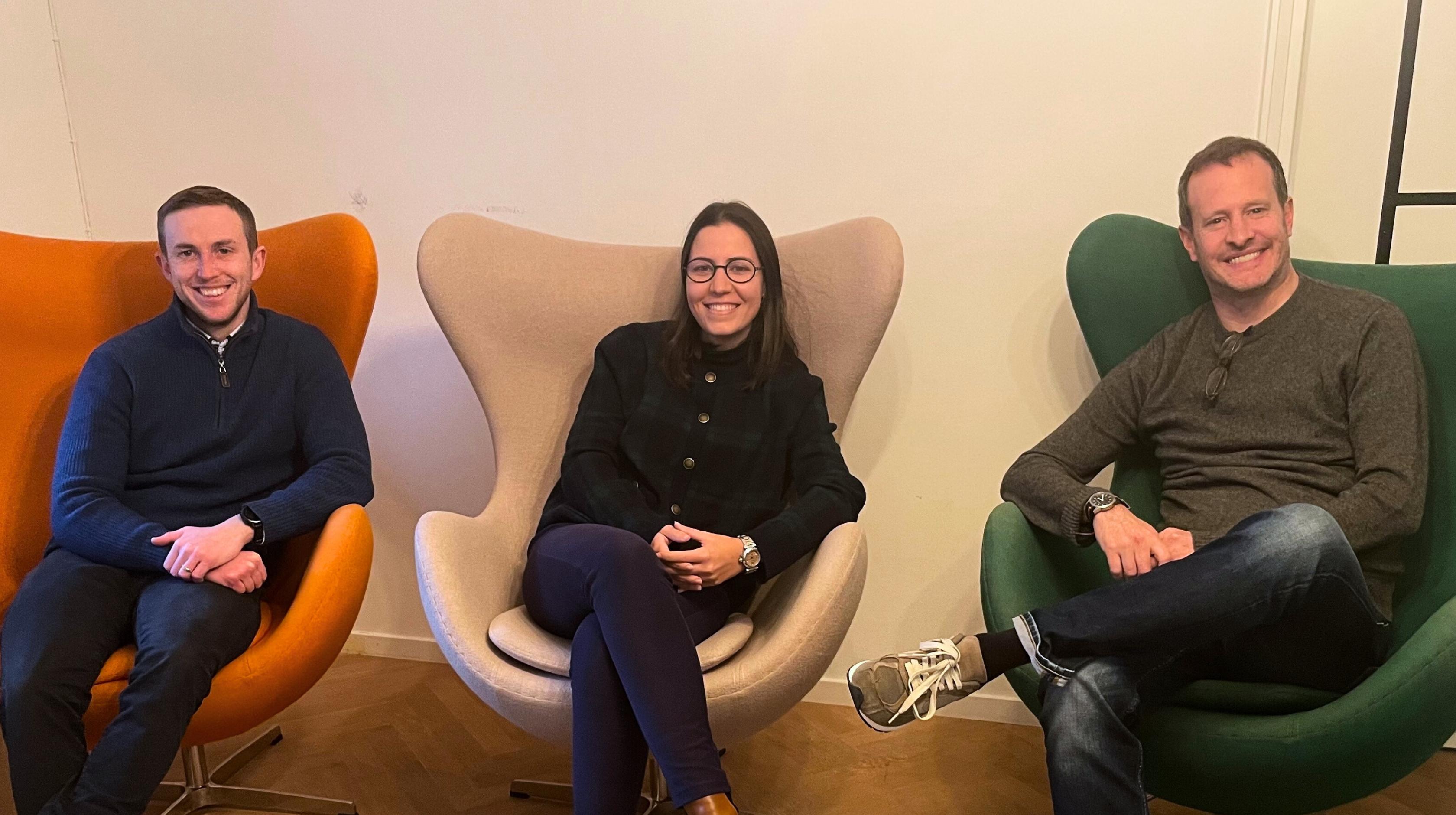
DigeHealth closes CHF 1.25M Seed Round for gastrointestinal health solutions
read more
Venture Leaders Medtech 2025: Captain's blog by Stefan Tuchschmid, Co-Founder of Scanvio Medical
read more
Nexilis: The Venture Leader Medtech advancing bone reinforcement
read more
OrthoSens: The Venture Leader Medtech making implants talk
read more
Babylat: The Venture Leader Medtech improving preterm neonatal care with on-site milk fortifiers
read more
PaceLocator: The Venture Leader Medtech revolutionizing cardiac care with real-time, 3D heart visualization
read more
Hemetron: The Venture Leader Medtech enabling better treatments through accurate mobile health tests
read more
Clee Medical: The Venture Leader Medtech transforming brain surgery via real-time vision and control
read more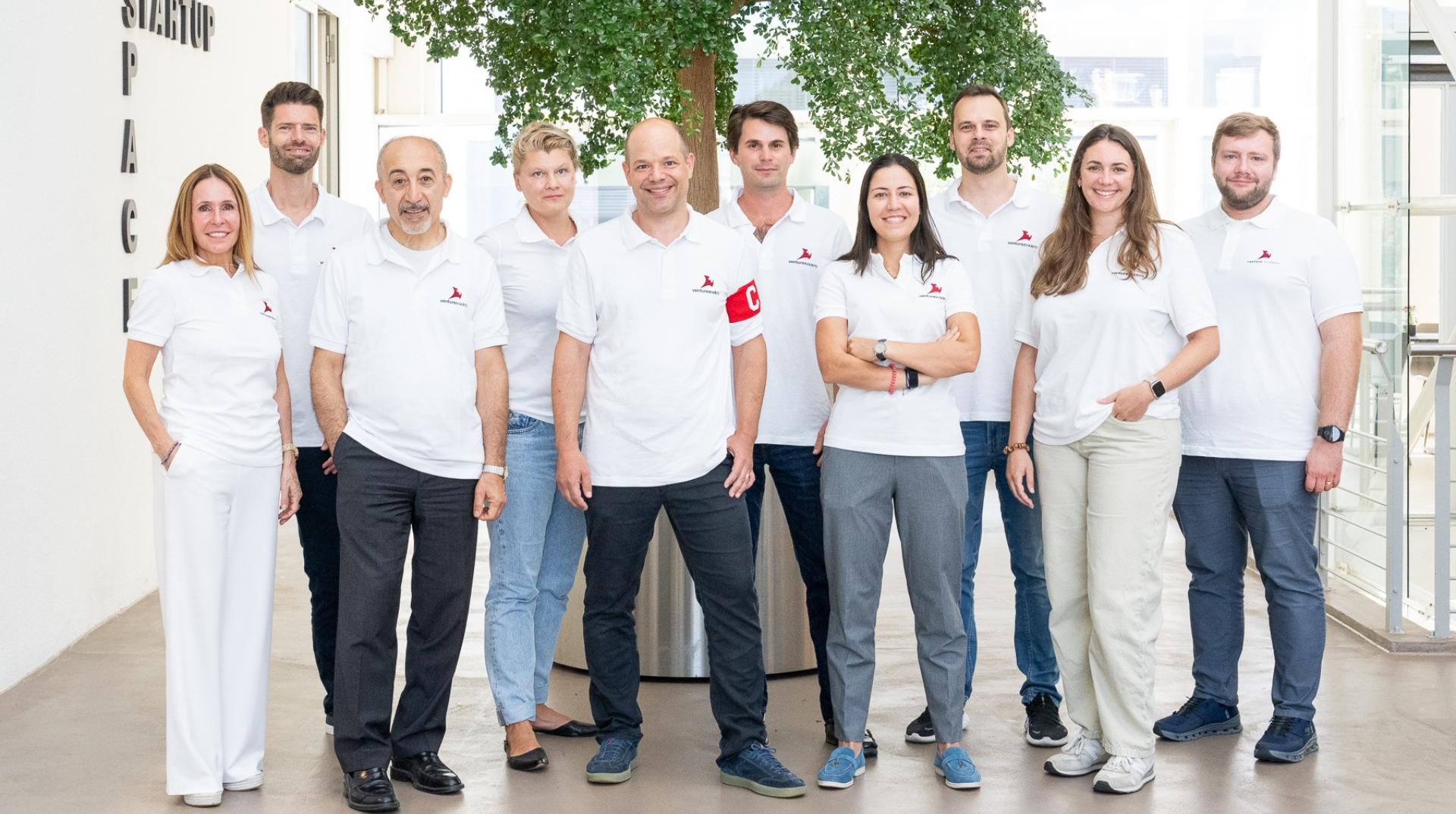
Venture Leaders Medtech 2025 kick-off their Boston roadshow
read more
Scanvio Medical: The Venture Leader Medtech harnessing AI for faster non-invasive endometriosis detection
read more
dEEGtal Insight: The Venture Leader Medtech improving epilepsy diagnosis
read more