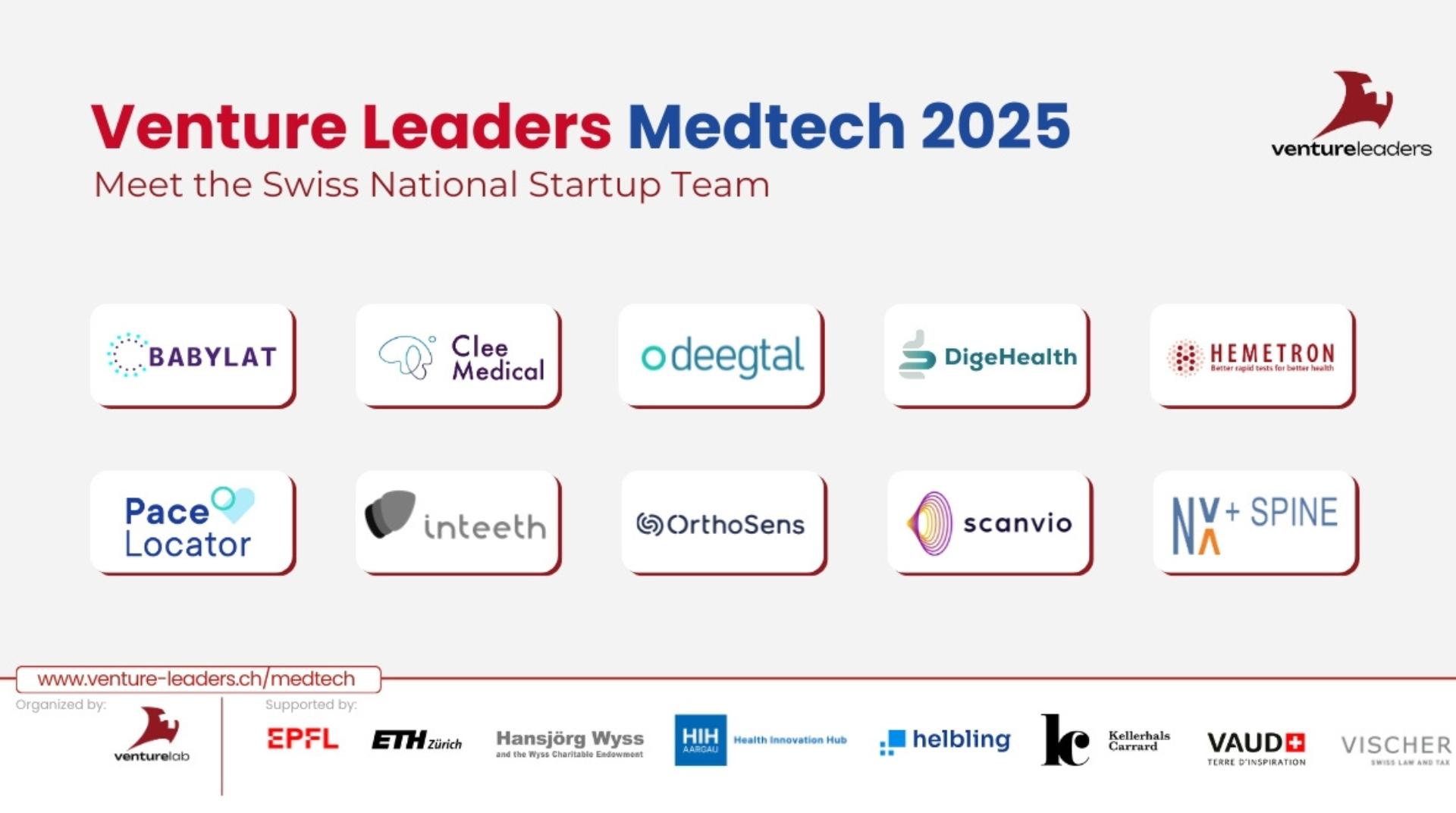
Meet Eric Ménétré, CEO of dEEGtal Insight. The Medtech startup develops AI-powered software that analyzes routine EEGs to detect hidden patterns and improve early, accurate epilepsy diagnosis. In late September, Eric and the other nine Swiss National Medtech Team members will fly to Boston on a business development and investor roadshow.
 Name: Eric Ménétré
 Location: Geneva
Nationality: Swiss
Graduated from: University of Geneva
Job title: CEO
Number of employees: 5
Money raised: CHF 1.2M
Can you tell us who your product or solution helps, and how?
We are developing software to help neurologists analyze the electroencephalogram (EEG), the gold standard exam for diagnosing epilepsy. Today, reaching a diagnosis can take several months, as subtle abnormalities in EEG recordings often go undetected through standard visual analysis. Our AI-powered tool uncovers complex patterns that are invisible to the human eye, enabling neurologists to diagnose most patients within 48 hours. This accelerates patient care, reduces uncertainty, and streamlines workflows for hospitals and clinicians. Early diagnosis is essential to prevent months of uncontrolled seizures and to begin treatment as quickly as possible.
What market are you addressing and what is the potential of your startup in that market?
We target the epilepsy diagnosis market, where EEG is central. Each year, 10 million people face a first seizure, representing a USD 1.5B opportunity. Once certified in the EU and USA, we can scale to 30,000 emergency centers. Beyond epilepsy, our technology also holds potential for other neurological disorders, treatment optimization, and patient monitoring.
How and where did you come up with the idea for your startup?
The idea for dEEGtal emerged during our work at the Geneva University Hospitals’ epilepsy center, where we found that 75% of EEGs were deemed normal because subtle abnormalities escaped visual analysis. At the same time, we were developing AI methods to detect hidden patterns. To close the gap between research and clinical practice, we founded dEEGtal to bring this technology to patients.
"Staying close to users has been key
to turning our vision into a concrete,
growing company."
to turning our vision into a concrete,
growing company."
What do you expect from the Venture Leaders roadshow, and how do you think it will help you achieve your vision?
We see the Venture Leaders roadshow as a unique opportunity to connect with top-tier investors, mentors, and industry partners who can support our next stage of growth. We hope to refine our strategy, gain visibility, and build relationships that will help us scale internationally. Our vision is to make AI-powered EEG analysis a new standard of care, and the roadshow can accelerate this journey by opening doors to the right expertise and funding.
What are your team’s key achievements to date?
Our team developed a clinically validated AI model trained on data from over 20,000 patients, along with a software interface to support epileptology and save neurologists time. The app will soon be tested by physicians. We secured CHF 1.2 million in pre-seed funding, competitive grants, and hospital partnerships, and built a strong multidisciplinary team to bring this innovation to market.
Is there a key principle or value that guides you as you build your company?
Yes, one key principle guides us: clinical relevance first. We build every part of our technology to address real needs faced by neurologists and patients. Our goal is not to create AI for the sake of innovation, but to deliver tools that genuinely improve care, save time, and support better decisions. This focus keeps us grounded, ensures we stay close to the field, and helps us create solutions that can truly make a difference in clinical practice.
What is the most important lesson you have learned as a founder?
The most important lesson we have learned is that focus is everything. In a startup, there are always many ideas, opportunities, and challenges pulling you in different directions. But real progress comes from choosing what matters most, committing to it fully, and executing with discipline. Staying close to users, saying no to distractions, and moving step by step has been key to turning our vision into a concrete, growing company.
What is your favorite productivity hack or tool and why?
My most effective productivity strategy is structured planning. I schedule each day in detail, and every morning I take a few minutes to reassess priorities using the Eisenhower matrix. This approach ensures I focus not only on what is urgent, but more importantly, on tasks that are truly meaningful and impactful over the long term.
What was your dream job when you were a child?
As a child, I wanted to be in the police to solve cases. I was fascinated by the idea of uncovering clues, understanding what happened, and helping people through problem-solving. Over time, I realized that science and innovation offered me a similar but even more fitting path. It allows me to tackle complex challenges and build solutions that can have a lasting impact.
Related articles
Venture Leaders Medtech 2025: Captain's blog by Stefan Tuchschmid, Co-Founder of Scanvio Medical
read more
DigeHealth: The Venture Leader Medtech detecting bowel obstructions
read more
Nexilis: The Venture Leader Medtech advancing bone reinforcement
read more
OrthoSens: The Venture Leader Medtech making implants talk
read more
Babylat: The Venture Leader Medtech improving preterm neonatal care with on-site milk fortifiers
read more
PaceLocator: The Venture Leader Medtech revolutionizing cardiac care with real-time, 3D heart visualization
read more
Inteeth: The Venture Leader Medtech transforming smiles with patient-friendly, aesthetic orthodontics
read more
Hemetron: The Venture Leader Medtech enabling better treatments through accurate mobile health tests
read more
Clee Medical: The Venture Leader Medtech transforming brain surgery via real-time vision and control
read more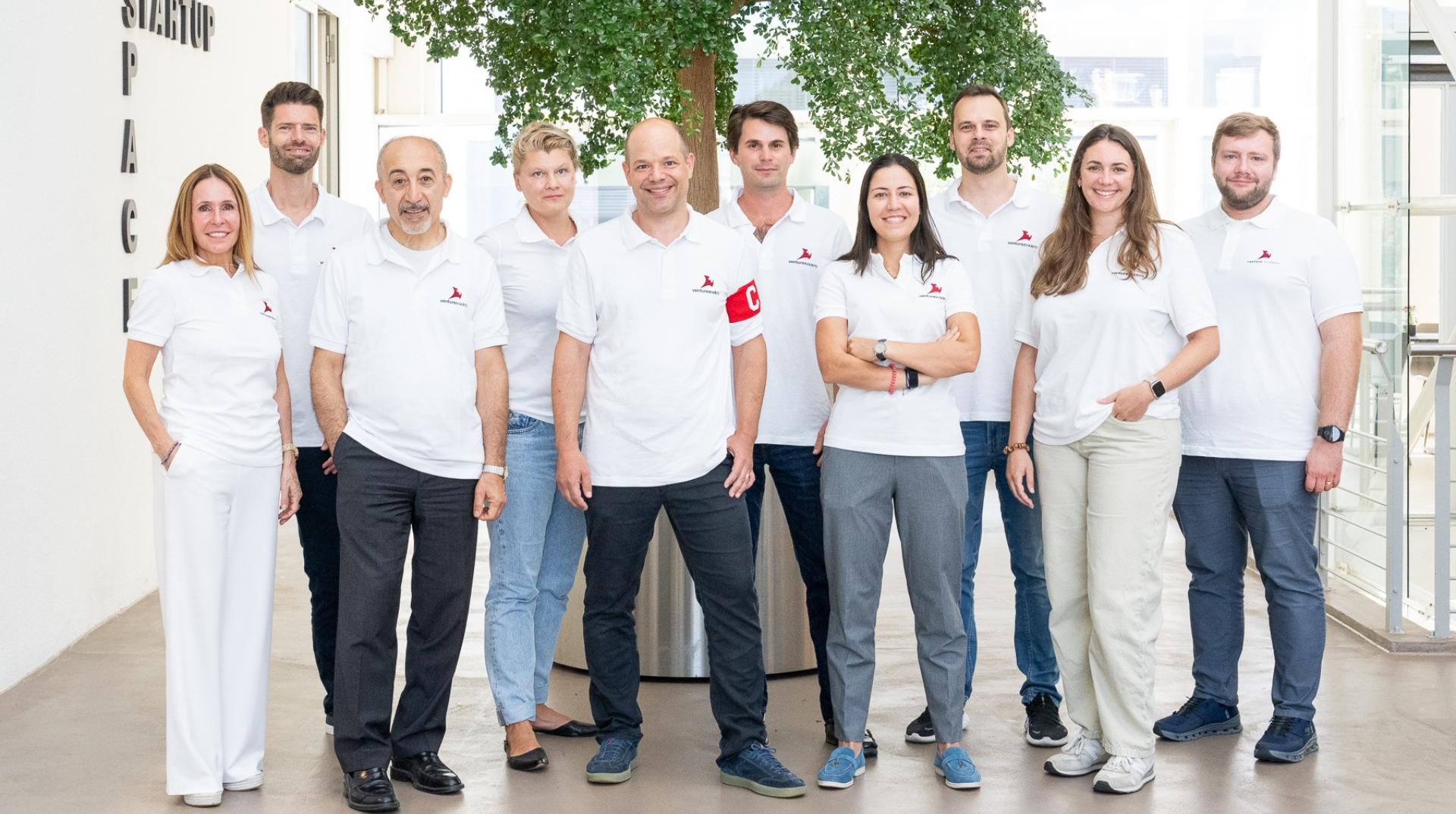
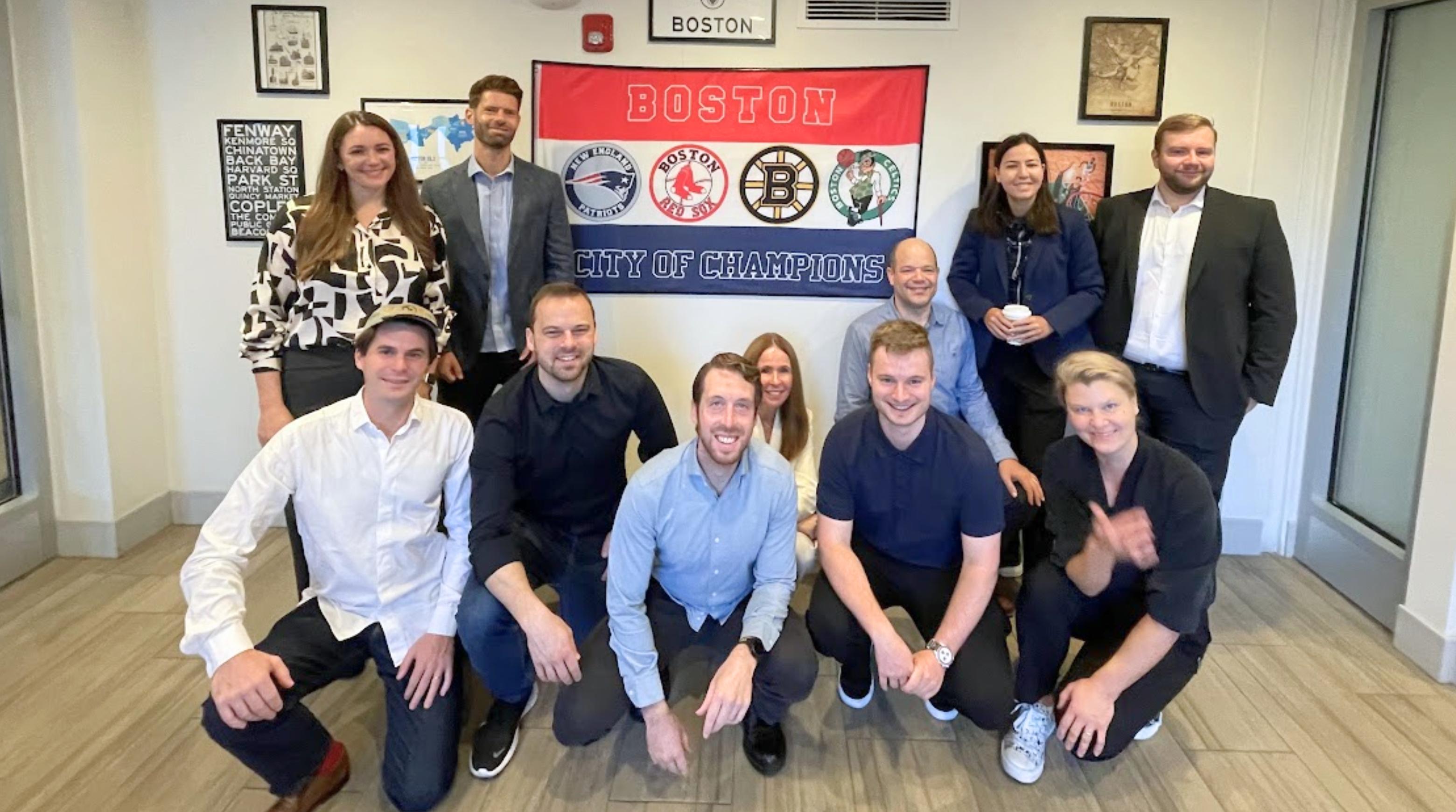
Venture Leaders Medtech 2025 kick-off their Boston roadshow
read more
Scanvio Medical: The Venture Leader Medtech harnessing AI for faster non-invasive endometriosis detection
read more