Meet Donato Rubinetti, founder of Ionic Wind. The cleantech startup is replacing mechanical fans for AI hardware cooling. In March, Donato will join nine other innovators on a business development and investor roadshow in Barcelona.
 Name: Donato Rubinetti
Location: St. Gallen
Nationality: Swiss / Italian
Graduated from: Empa / KU Leuven
Founding team members: Frederik Bauer, Rico Chandra, Liubov Shishaeva
Number of employees: 4
Money raised: USD 2.1M
What does your product or solution do, and what makes it unique?
We develop solid-state airflow accelerators that cool electronics without mechanical fans. Instead of rotating blades, we use electrostatic forces to accelerate air directly. This removes noise, vibration, and mechanical wear. But most importantly, it enables new design freedom in compact electronic systems that notoriously suffer from heat.
What makes Ionic Wind unique is that our proprietary modules’ airflow rate scales with geometry, not RPM. Cooling performance is defined by electrode design rather than mechanical speed, for form factors, where fans are no longer acceptable. It’s not a marginal improvement on fans – it’s a fundamentally different cooling principle.
What trend or shift in your industry is currently creating the biggest opportunity for you?
Three trends are converging:
1. Electronics are becoming smaller and more power dense, especially in mobile, edge AI, and consumer devices.
2. Acoustic comfort and reliability are becoming product differentiators, not nice-to-haves.
3. Mechanical cooling has reached its limits and only delivers diminishing returns, as fans don’t scale silently with increasing thermal load.
These trends create a structural opportunity in a market that is overheating and desperately looking for a new solution.
How did the idea for your startup originate?
From deep-tech research at Empa. I was working on electrohydrodynamic (i.e. Ionic Wind) systems and saw a similar pattern: tech works in the lab with promising results and commercial potential but no one translated them into real products. That’s when I decided to take matters in my own hands.
"The biggest challenge is the chasm between
research credibility and industrial trust."
research credibility and industrial trust."
Which market are you addressing, and what potential do you see for your startup in that market?
We are addressing the electronics cooling market and start with compact, high-value systems such as single board computers, projectors, edge AI devices, and laptops. It’s a large, global market with strong growth, driven by AI workloads and increasing integration density. Our potential is to become the default solution wherever silence, reliability, and compactness matter more than raw airflow volume. Over time, this creates multiple entry points across consumer electronics and data infrastructure.
What impact do you want your technology to have five years from now?
In 5 years, I want solid-state airflow cooling to be a recognized and trusted category, not a novelty. When our vision comes true, product designers will stop asking “how do we hide the fan?” and start asking “do we even need one?”
Beyond performance, the impact I expect is also cultural: showing that deep-tech innovations from research can reach mass-market products, not decades later, but within a startup timescale.
What major challenges have you faced so far?
The biggest challenge has been crossing the chasm between research credibility and industrial trust. We’re still working on it. The tech itself works, and translating that into something OEMs can integrate, certify, and rely on takes persistence, discipline, and a lot of unglamorous engineering. In parallel, keeping the team aligned through long development cycles has been also challenging. When timelines are uncertrain and the work is hard, motivation and expectations need to be actively manageged.
What motivates you on tough days?
I am motivated by seeing something genuinely take shape. On tough days, switching gears helps me a lot by going deep into hands-on engineering work: CAD, CFD, renderings, data sheets, or system design – even tough as a CEO I do this less frequently as the company grows. Moving between strategy and engineering keeps me grounded. It reminds me why we are building Ionic Wind in the first place.
Why did you decide to join the Venture Leaders Roadshow, and what are you most excited about?
I decided to join Venture Leaders because Ionic Wind is entering a phase where global perspective and market access matter a lot. I’m excited to raise the bar by testing our story, positioning and talk ambition with other founders who are also building at an international level. In addition, I see Venture Leaders as a strong platform to strengthen OEM relationships and accelerate interational partnerships.
Ionic Wind AG: Solid-state airflow accelerators for AI hardware cooling
lonic Wind is a Swiss deep-tech startup developing solid-state airflow technology to remove mechanical fans from compact electronics. Our mission is to enable quieter, more reliable and more sustaina... Read more
Related articles

Venture Leaders Mobile 2026 connects Swiss startups with global investors
read more
DuoKey: The Venture Leader keeping control on your encryption keys
read more
Soverli: The Venture Leader Mobile ensuring digital sovereignty with next-gen mobile security
read more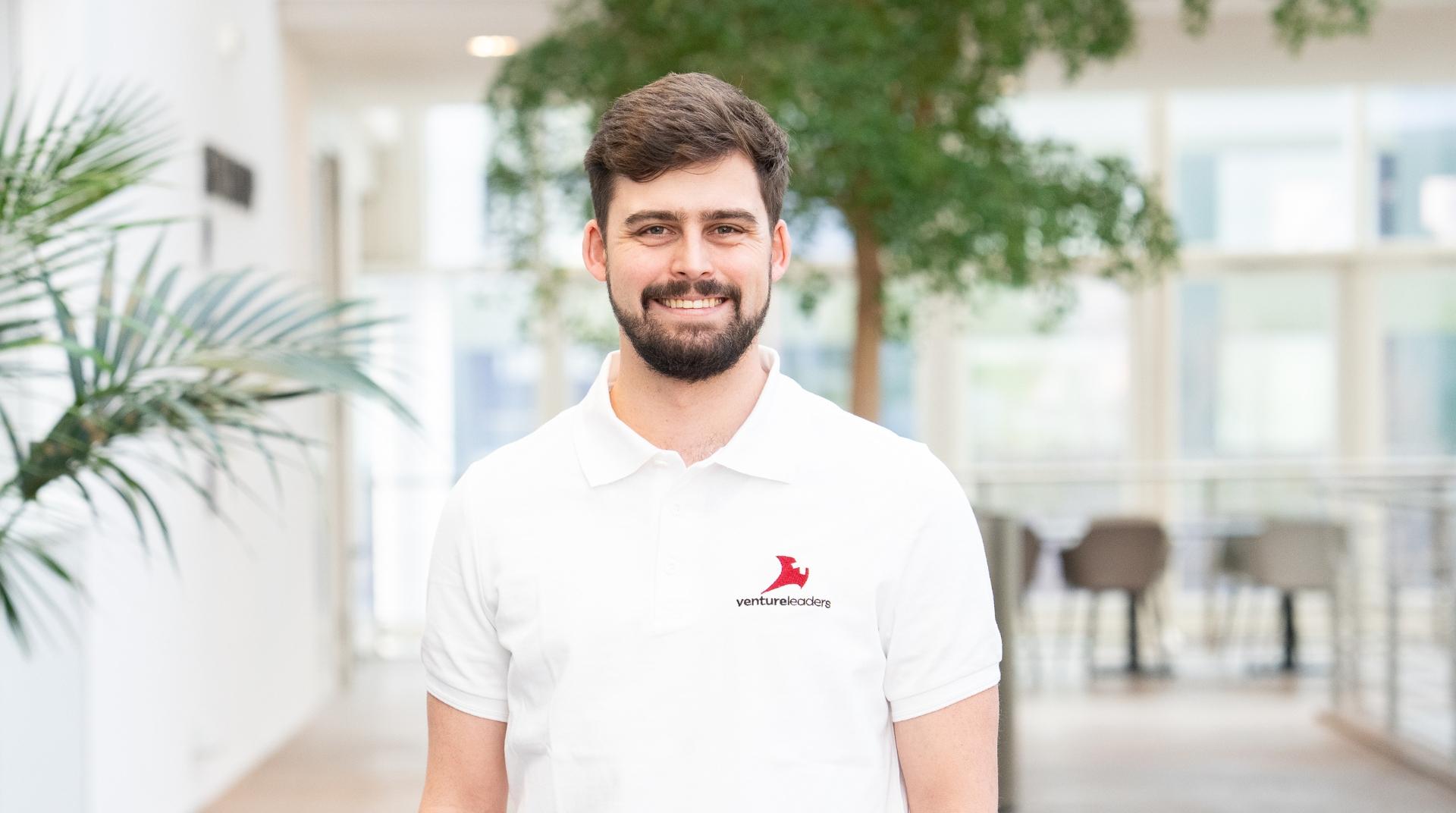
Tethys Robotics: The Venture Leader Mobile automating inspections in rough waters
read more
Loxo: The Venture Leader Mobile empowering commercial vehicles with autonomy
read more
BTRY: The Venture Leader Mobile advancing next-gen battery technology
read more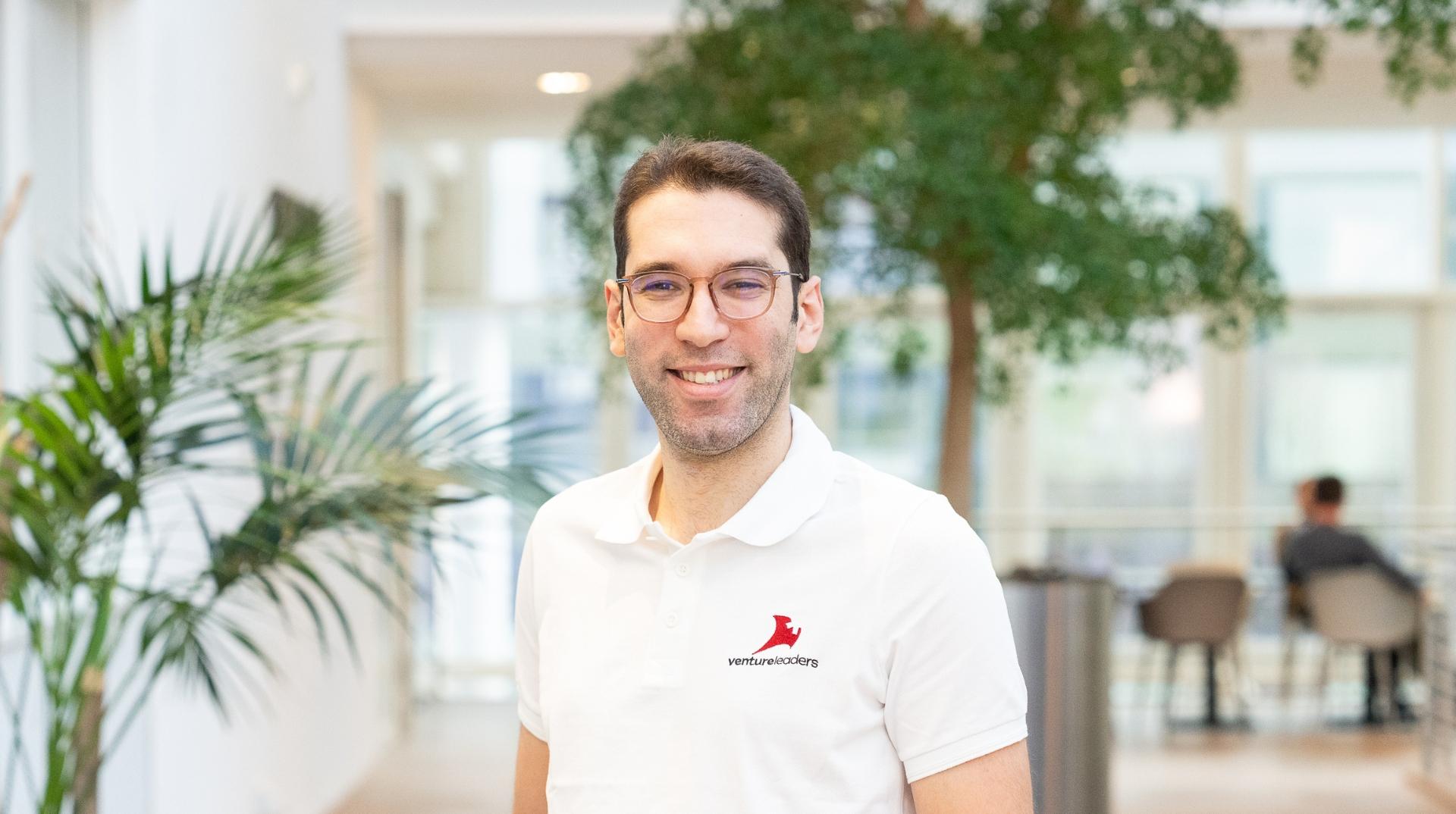
DPhi Space: The Venture Leader Mobile streamlining space access
read more
Synature: The Venture Leader Mobile monitoring animals with AI
read more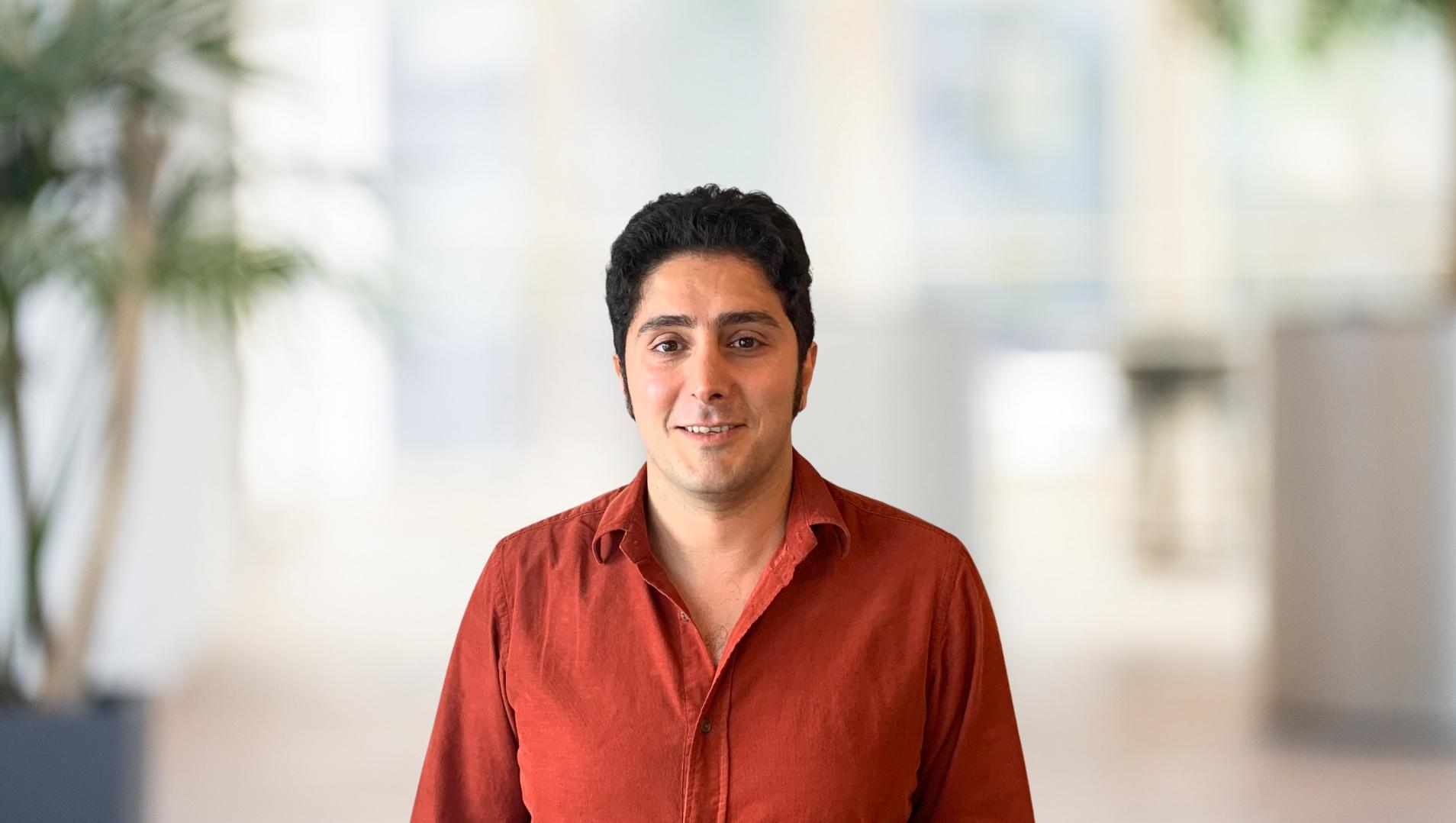
EM Path: The Venture Leader Mobile developing wireless testing solutions
read more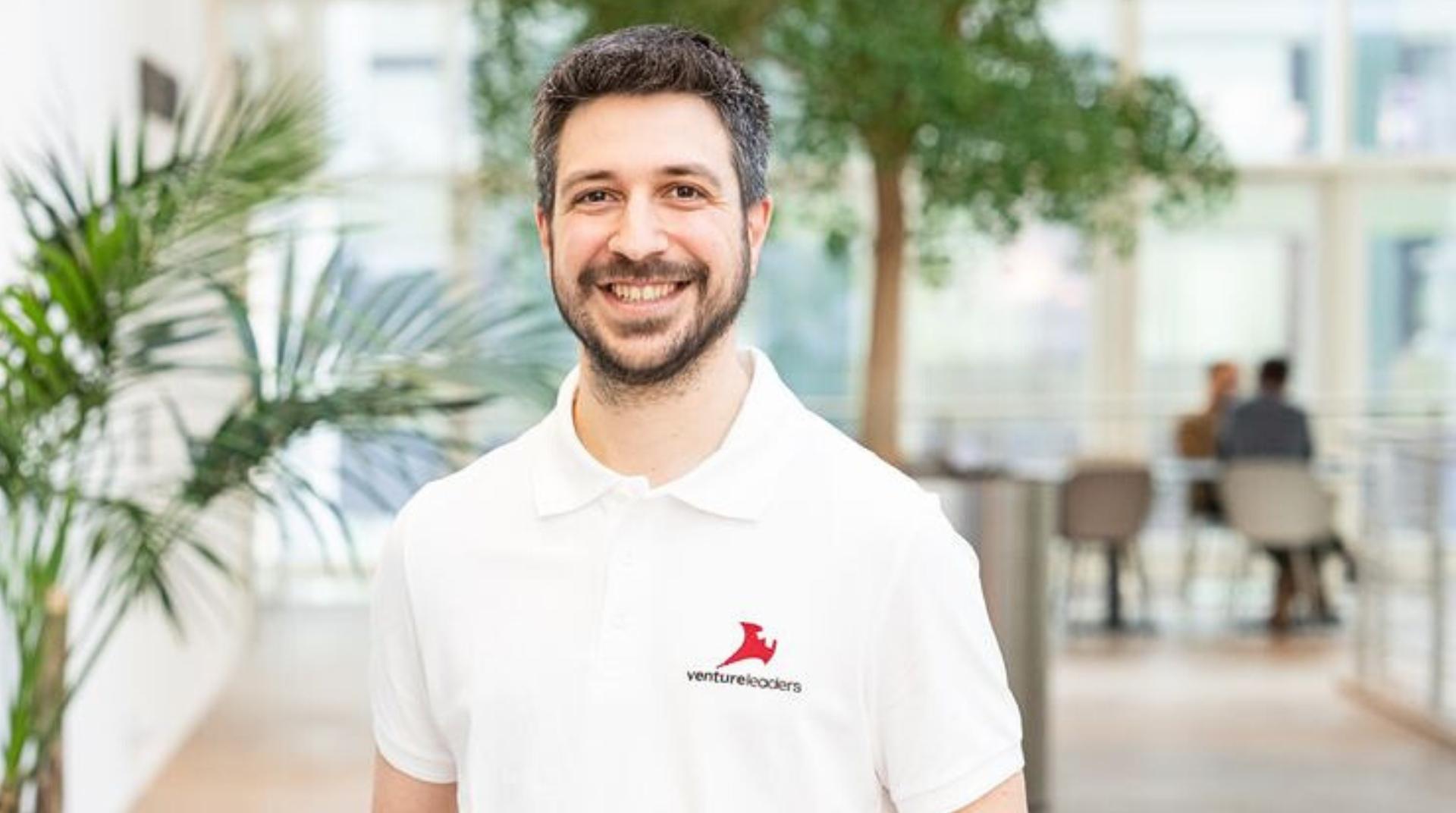
Mosaic SoC: The Venture Leader Mobile advancing real-time AI chip performance
read more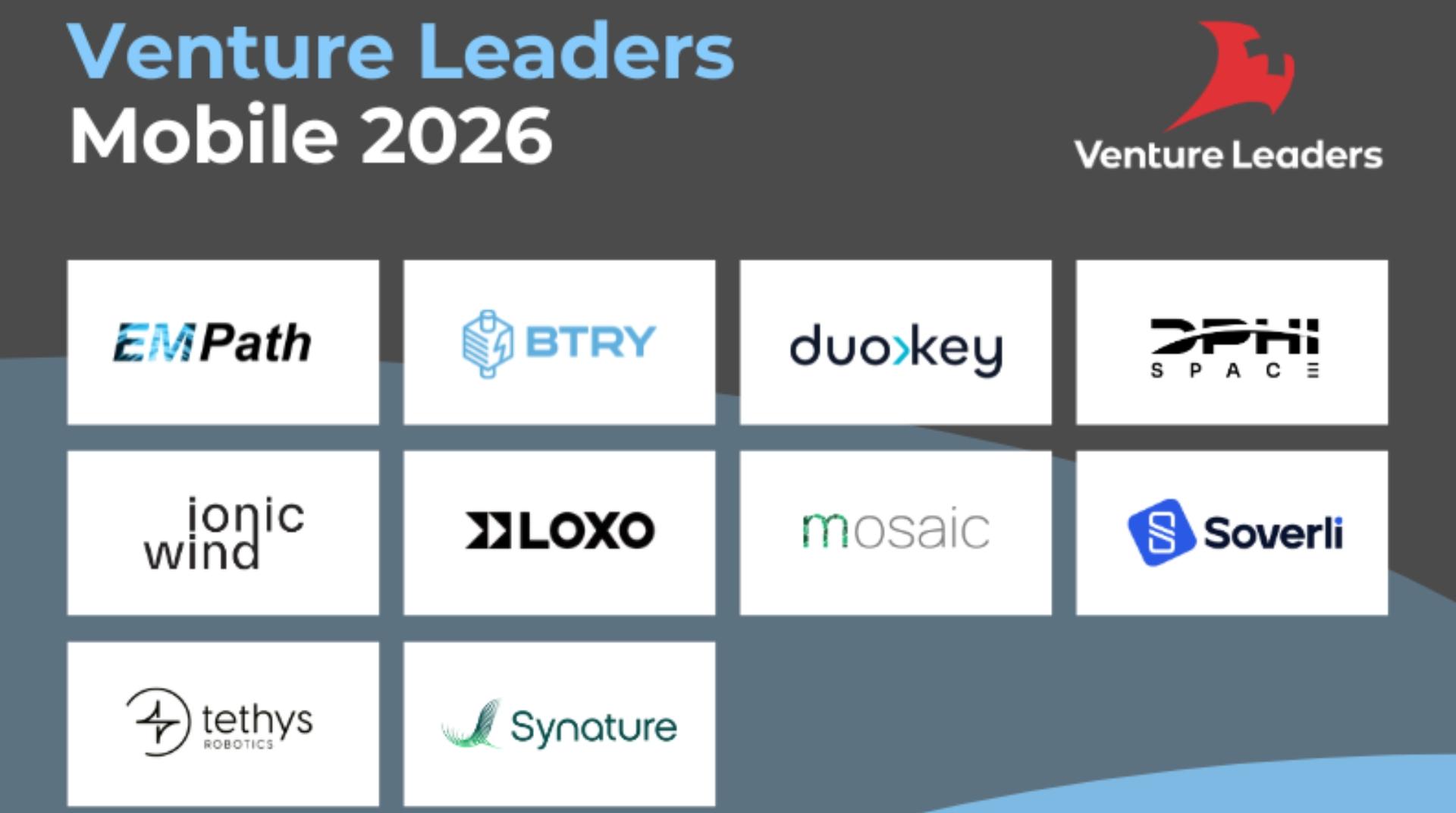
Swiss National Startup Team 2026: Ten mobile startups set for 4YFN – MWC Barcelona
read more
Ionic Wind raises USD 2.1M to industrialize solid-state cooling technology
read more