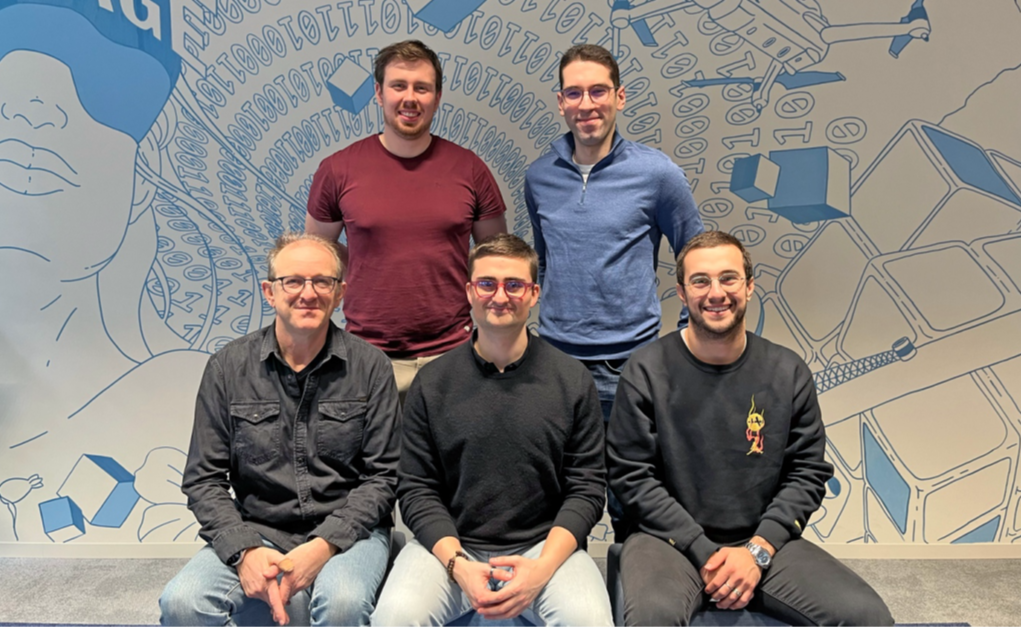
Meet Aziz Belkhiria, founder of DPhi Space. The engineering startup is building and operating shared satellites to make access to space simpler, faster, and more affordable. In March, Aziz will join nine other innovators on a business development and investor roadshow in Barcelona.
 Name: Aziz Belkhiria
Location: Lausanne, Switzerland
Nationality: Tunisian
Graduated from: EPFL
Founding team members: Aziz Belkhiria, Michael Linder, Saverio Nasturzio, Joaquim Silveira
Number of employees: 8
Money raised: CHF 2.1M
"It became clear that satellites needed to become far smarter."
What does your product or solution do, and what makes it unique?
DPhi Space builds smart, programmable satellites that can be accessed through APIs, much like cloud infrastructure. Our satellites host both software and hardware payloads and include onboard computing that allows data to be processed directly in orbit.
Our mission is to make space data more accessible by bringing intelligence directly onto satellites and enabling a multi-tenant model. This lowers launch and operational costs and lets users access satellite data without running a full mission. Our onboard compute cluster processes data in orbit, cutting transfer costs and unlocking new use cases for Earth observation, communications, and other sensors.
What trend or shift in your industry is currently creating the biggest opportunity for you?
Falling launch costs and AI adoption are driving demand for satellites as active compute nodes. DPhi Space integrates high-performance GPUs and a full software stack into satellites, letting customers deploy sensors and run code in orbit. By sharing infrastructure, users access premium computing at lower cost, making space computing accessible to anyone with standard development skills.
How did the idea for your startup originate?
The founders originally worked together on the launch of a computer developed at EPFL in 2023. This mission gave them hands on exposure to the space industry and a direct understanding of how satellite systems are built, launched, and operated. Through this experience, they identified the need for significant improvements across the entire satellite services value chain.
It became clear that satellites needed to become far smarter while delivering data at a much lower cost to the end user. This insight led to the concept of smart, shared satellites.
"We deliberately fly to space roughly
once per year since incorporation."
Which market are you addressing, and what potential do you see for your startup in that market?
DPhi Space addresses the main drivers of the space economy, including Earth observation and low bandwidth communication. Our approach focuses on reducing barriers in cost, latency, and operational complexity when accessing space data.
By deploying smart satellites, we enable more data to be processed and used per satellite, while allowing customers to interact with space infrastructure as an extension of their existing cloud tools. This strengthens adoption among current market players and opens satellite data to new users who previously avoided it because it was difficult to access and integrate.
What impact do you want your technology to have five years from now?
In five years, we expect our technology to be embedded in markets that have not previously considered space data. Our success will be measured by how far we extend access beyond traditional space industry users, enabling any developer to use a DPhi Space satellite
What major challenges have you faced so far?
Our main challenge has been to iterate on space missions and drive the full development roadmap with a very small team of eight people. This constraint forces us to operate in a highly efficient and lean way while continuously prioritizing what truly matters.
At the same time, we deliberately fly to space roughly once per year since incorporation. This creates a high intensity environment where decisions are tested in orbit, allowing us to learn faster and extract meaningful lessons from every mission despite limited resources.
What motivates you on tough days?
Making a paradigm shift in our industry, while keeping a clear view of what the future should look like, is what enables both me and the team to work through tough moments.
Why did you decide to join the Venture Leaders Roadshow, and what are you most excited about?
This is our second Venture Leaders program, after Venture Leaders Technology in San Francisco, which connected us with investors and partners—including the one for our second space flight in March 2026. Through Venture Leaders Mobile, we are now seeking customers and partners in satellite communication services.
DPhi Space SA: Streamlining space access via satellite ridesharing.
DPhi Space is building and operating shared satellites to make access to space simpler, faster, and more affordable. Its multi-tenant platform allows service providers (such as telecom antennas or Ear... Read more
Related articles

Venture Leaders Mobile 2026 connects Swiss startups with global investors
read more
DuoKey: The Venture Leader keeping control on your encryption keys
read more
Soverli: The Venture Leader Mobile ensuring digital sovereignty with next-gen mobile security
read more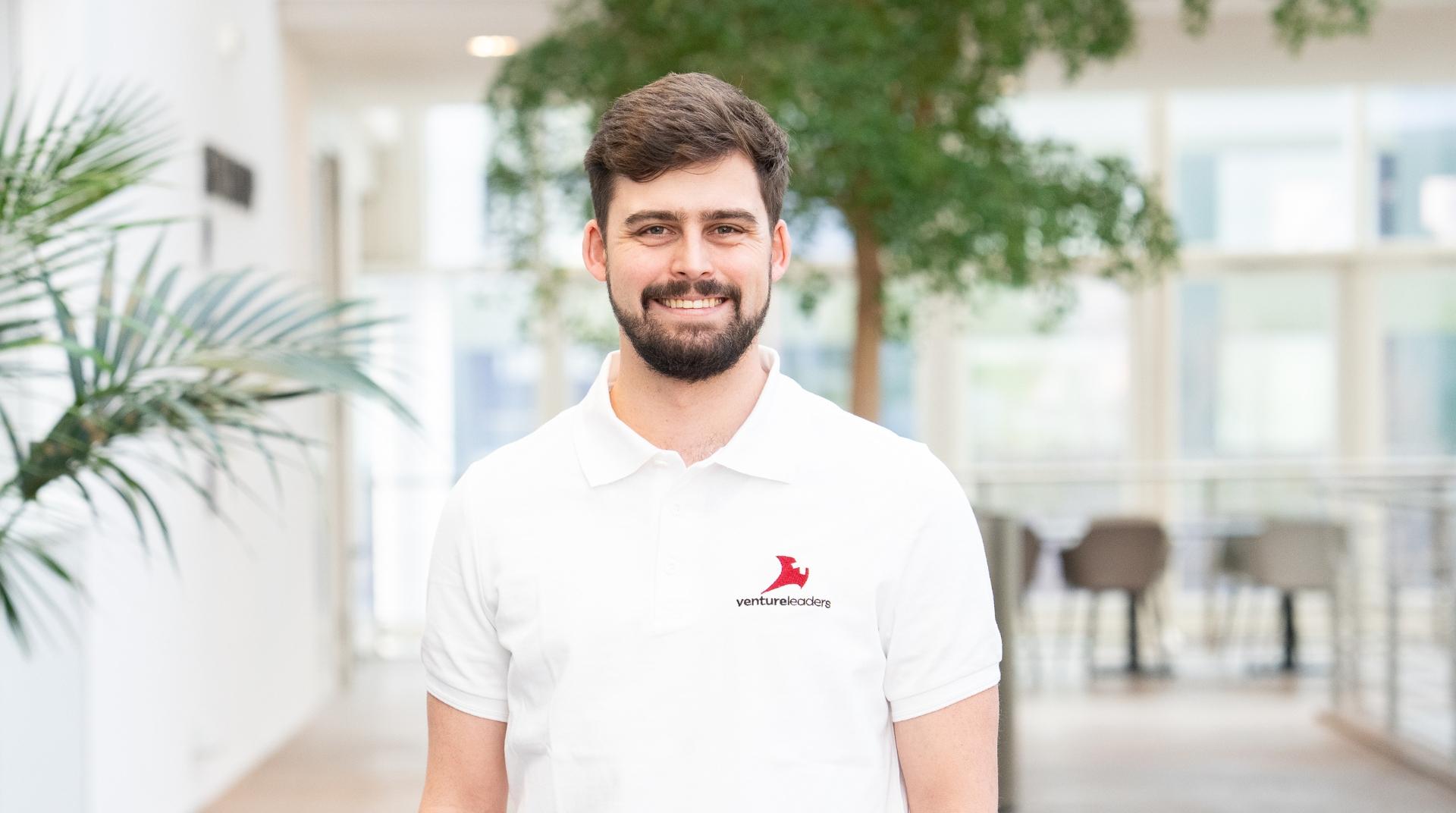
Tethys Robotics: The Venture Leader Mobile automating inspections in rough waters
read more
Loxo: The Venture Leader Mobile empowering commercial vehicles with autonomy
read more
Synature: The Venture Leader Mobile monitoring animals with AI
read more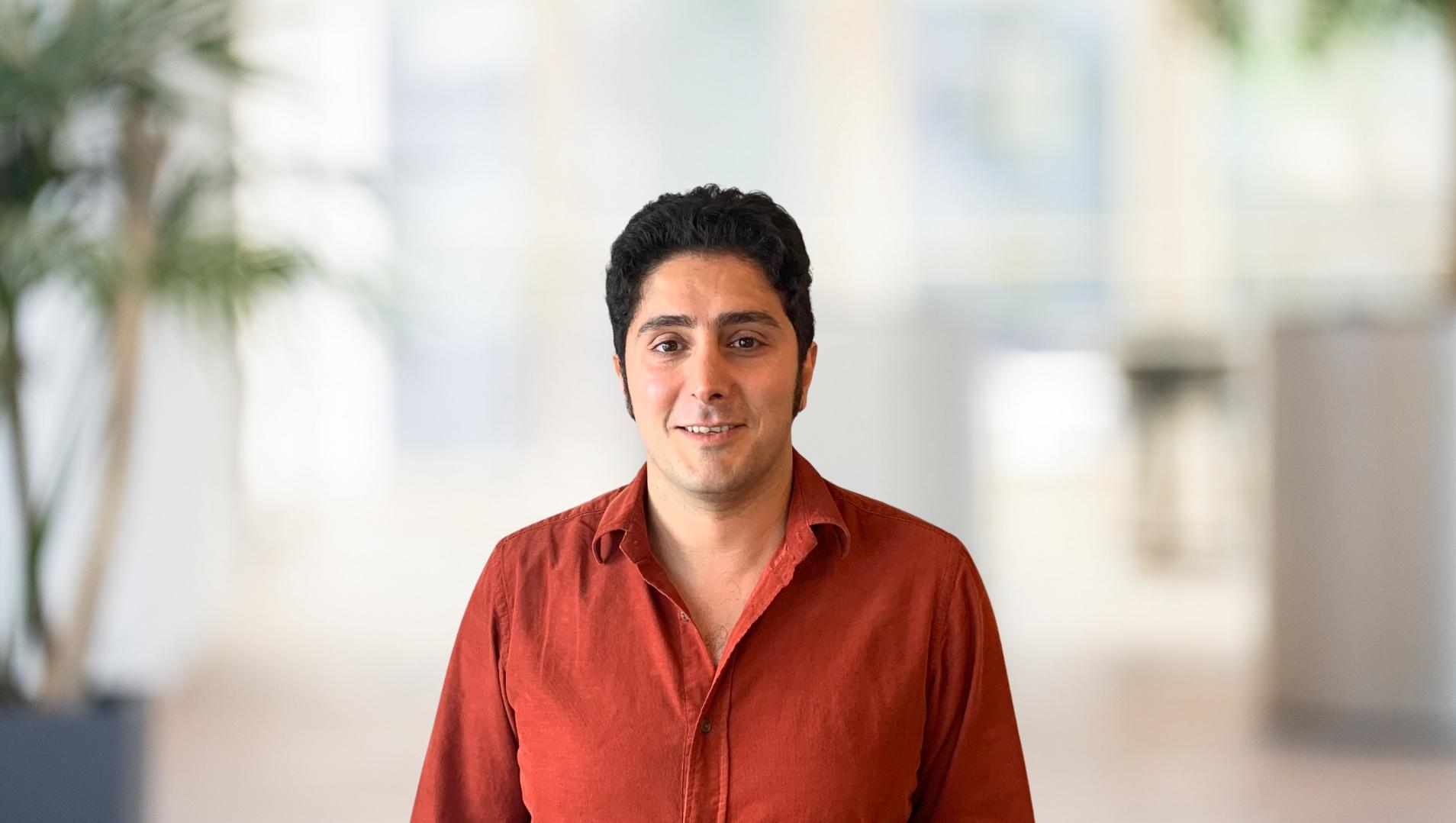
EM Path: The Venture Leader Mobile developing wireless testing solutions
read more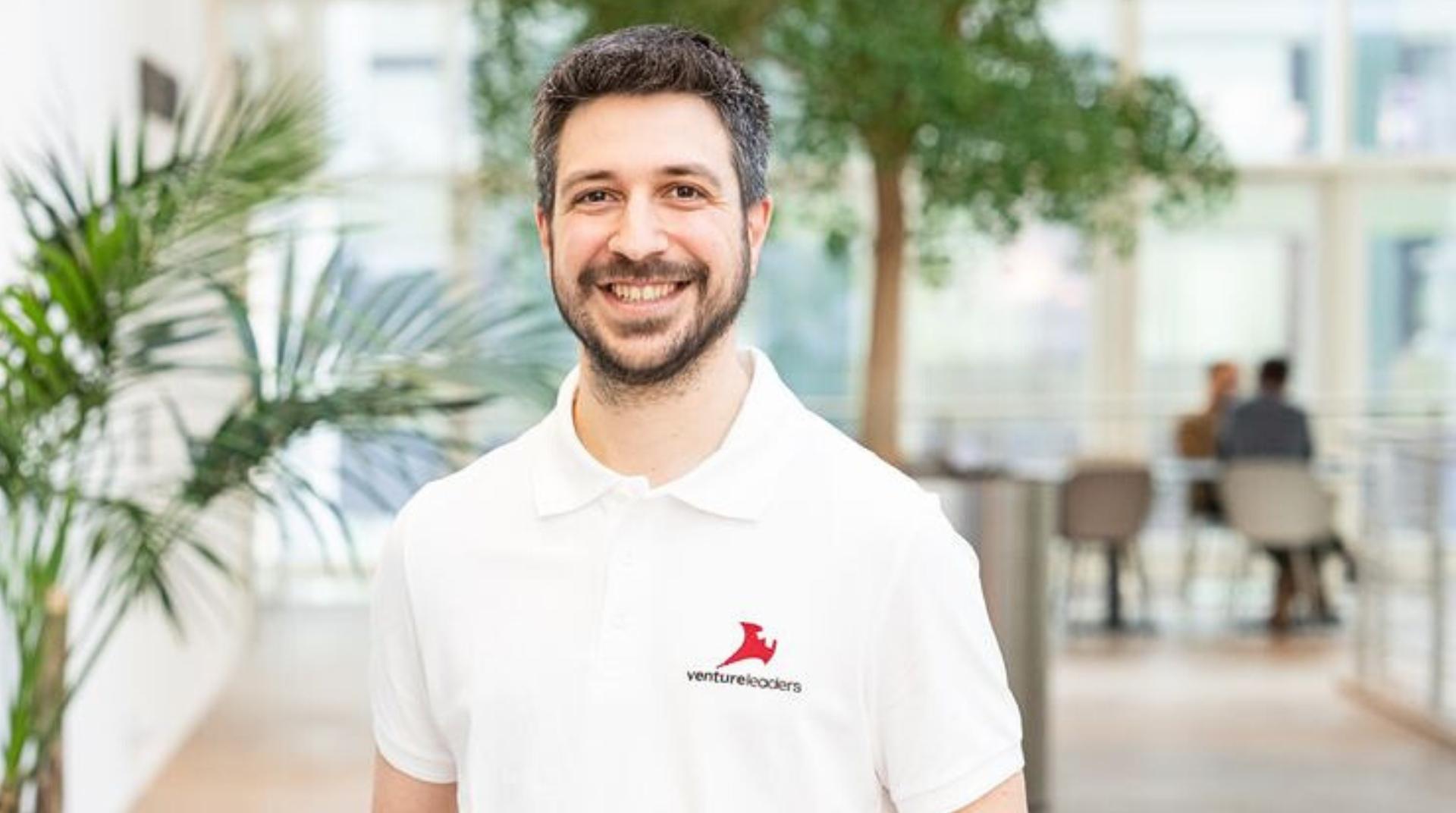
Mosaic SoC: The Venture Leader Mobile advancing real-time AI chip performance
read more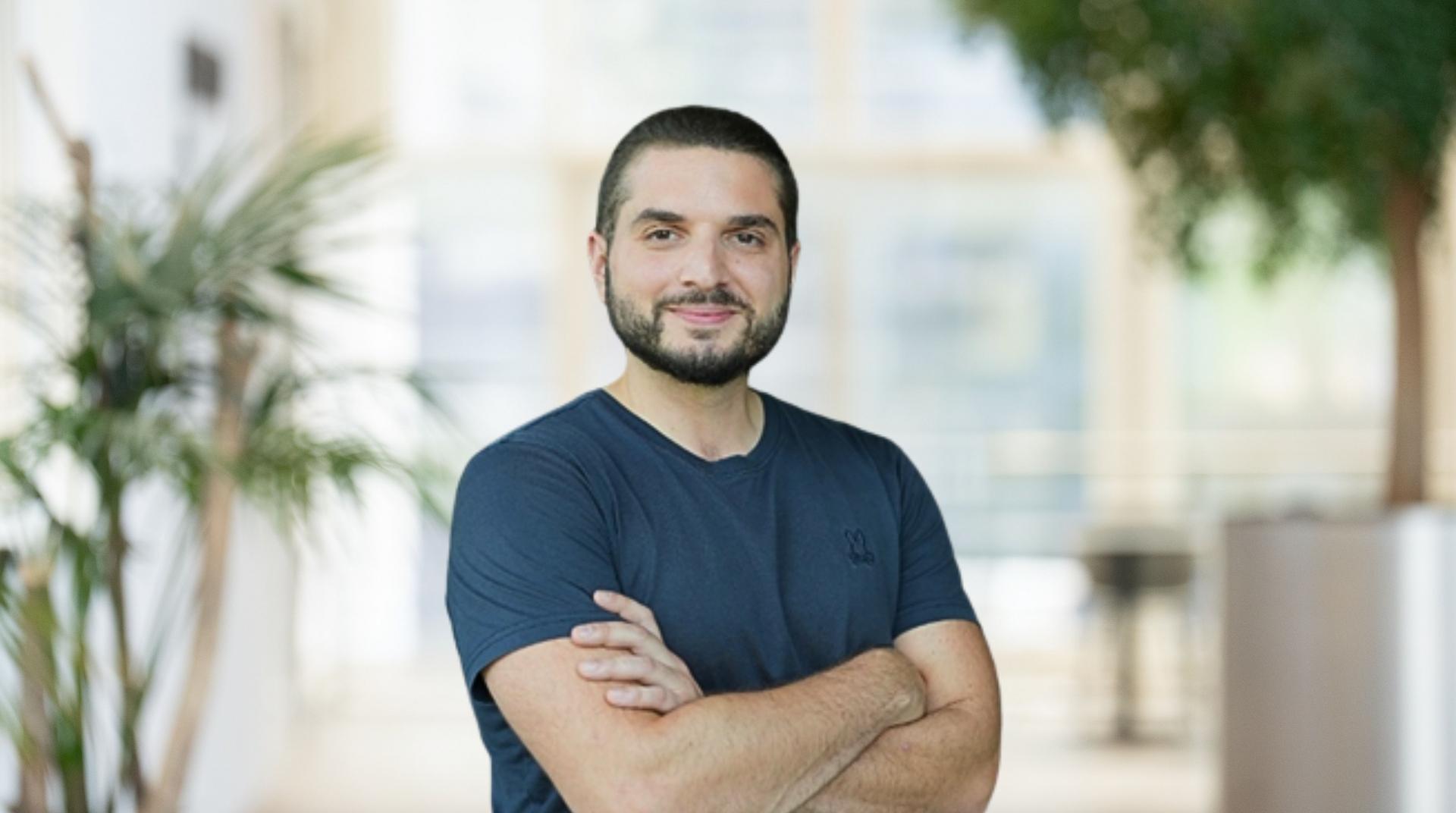
Ionic Wind: The Venture Leader Mobile developing solid-state airflow for AI hardware cooling
read more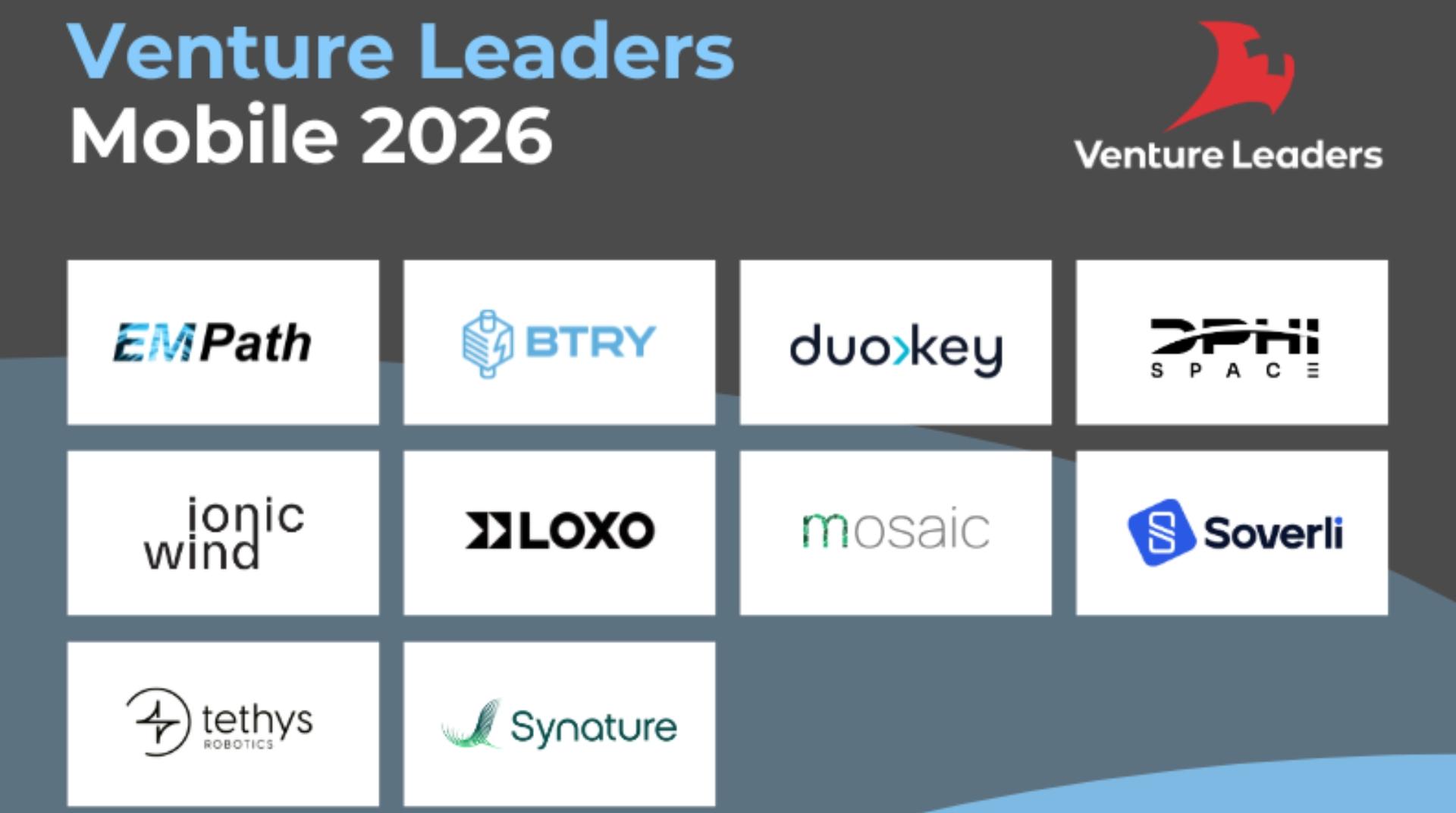
Swiss National Startup Team 2026: Ten mobile startups set for 4YFN – MWC Barcelona
read more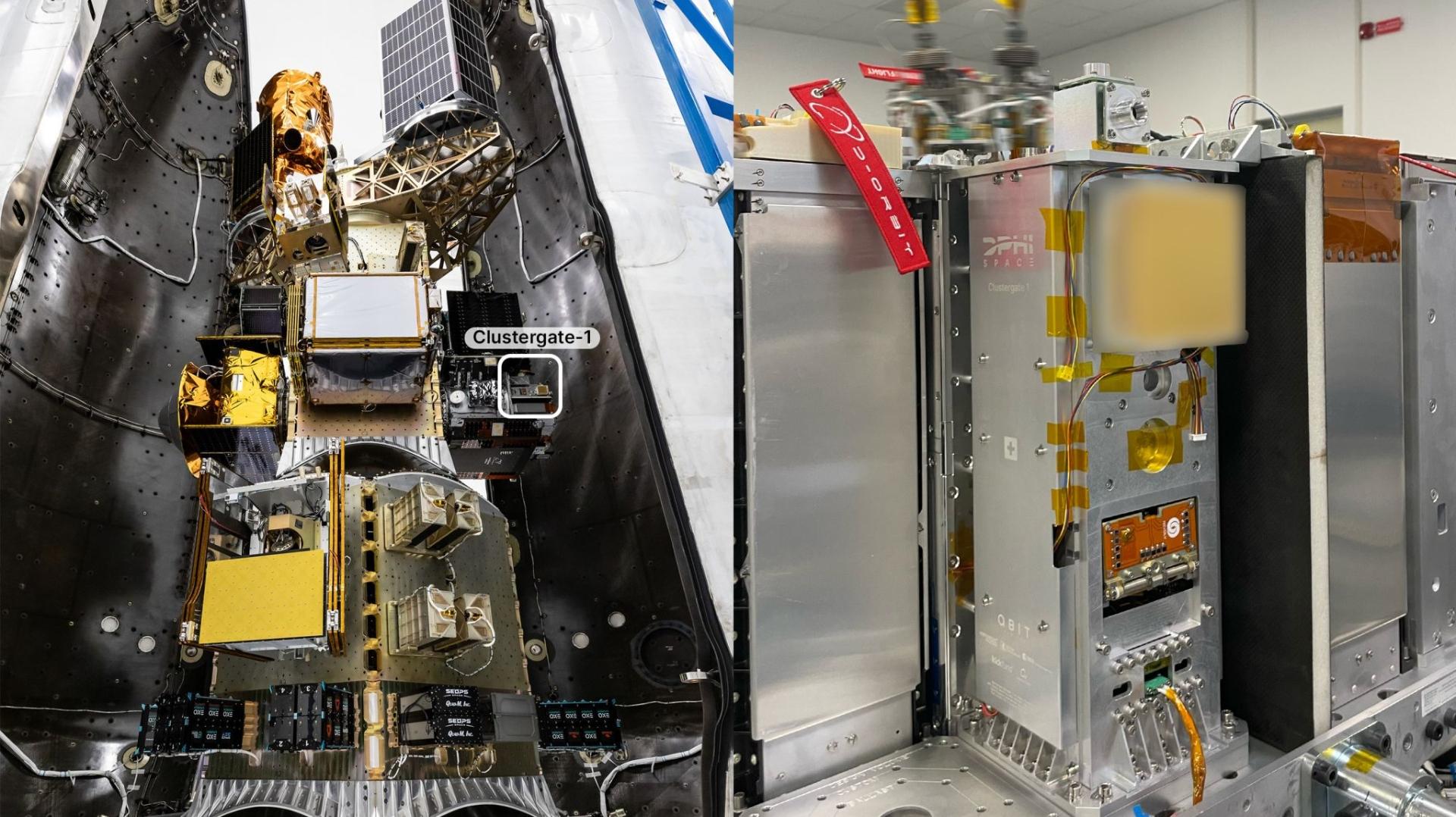
DPhi Space launches Clustergate-1 aboard SpaceX Falcon 9
read more