Meet Aziz Belkhiria, Co-Founder of DPhi Space. The engineering startup creates modular platforms that enable multiple payloads, like sensors or cameras, to share a single satellite, reducing costs and complexity. Aziz and the other nine Swiss National Technology Team members will fly to Silicon Valley in April.
 Name: Aziz Belkhiria
Location: Lausanne
Nationality: Tunisian
Graduated from: EPFL, Robotics and Space Technologies
Job title: Co-Founder and CEO
Number of employees: 7
Money raised: CHF 2.1M
"Execution
is key!"
is key!"
Can you tell us who your product or solution helps, and how?
We are developing shared satellites that host multiple payloads and provide them with powerful computing capabilities. This benefits Earth observation and telecom service providers, as well as newcomers and scientific institutions, by enabling fast, cost-effective access to space without having to build full satellite platforms. We will be delivering dedicated platform performance at a fraction of the cost, paving the way for satellite infrastructure as a service.
What market are you addressing and what is the potential of your startup in that market?
We are targeting the USD 9.5 billion small satellite launch and manufacturing market. Our startup has the potential to capture a significant share by offering a cost-effective, low-complexity alternative to traditional satellite platforms. We envision the future of constellations as a hybrid model, where service providers use a mix of shared and dedicated spacecraft, depending on their mission needs, optimizing both cost and operational flexibility.
How and where did you come up with the idea for your startup?
The idea for our startup emerged when our founding team launched its first computer from EPFL into space. This experience gave us firsthand insight into the limitations of the satellite industry, inspiring us to make space more accessible and affordable for people like us! That’s how we came up with the name: We wanted to “Defy” the challenges that make it hard to reach outer space.
What do you expect from the Venture Leaders roadshow, and how do you think it will help you achieve your vision?
We expect the Venture Leaders roadshow to expand our market presence by connecting us with potential customers who can benefit from our existing service. It’s also an opportunity to learn from major space industry players, allowing us to refine our offering to better meet their needs. Additionally, the roadshow will help us engage with new investors who could join us in future funding rounds, accelerating our growth and impact.
"When I was a child,
I dreamed of being an astronaut—
I didn’t end up too far from it!"
What are your team’s key achievements to date?
Our team successfully designed and built Clustergate, a platform that hosts multiple payloads and connects them to our onboard computer. This helps de-risking and validating the technology and business case of shared satellites for hosted payloads. Clustergate is set to fly multiple commercial customers and is scheduled for launch on SpaceX's Transporter-13 mission, no earlier than March 2025. Its goal is to showcase the simplicity and speed of deploying payloads into orbit at reduced costs.
Is there a key principle or value that guides you as you build your company?
Our core value is being customer-centric. We are developing technology that serves as critical infrastructure for our customers, so it is essential that we strictly adhere to their needs, challenges, and expectations. Every decision we make—from design to deployment—is driven by such principles.
What is the most important lesson you have learned as a founder?
No idea is important until it is achieved—execution is key! Early on, we were pitching a concept to customers and investors, but real traction only came when we had a tangible mission with hardware on the table. Once our slides turned into reality, our credibility skyrocketed, proving that delivering results matters more than just having a great idea.
What is your favorite productivity hack or tool and why?
AI has been a frequently used tool for my daily tasks, helping filter through noise and access data faster. Over time, we’ve learned how to best leverage an AI copilot in our design and brainstorming sessions. That said, a GPT still can’t design a satellite—so we make sure to use it wisely!
What was your dream job when you were a child?
I dreamed of being an astronaut—but I didn’t end up too far from it! Instead of flying to space myself, we’re now helping build the technology that enables others to reach it.
DPhi Space SA: Streamlining space access via satellite ridesharing.
DPhi Space is building and operating shared satellites to make access to space simpler, faster, and more affordable. Its multi-tenant platform allows service providers (such as telecom antennas or Ear... Read more
Related articles
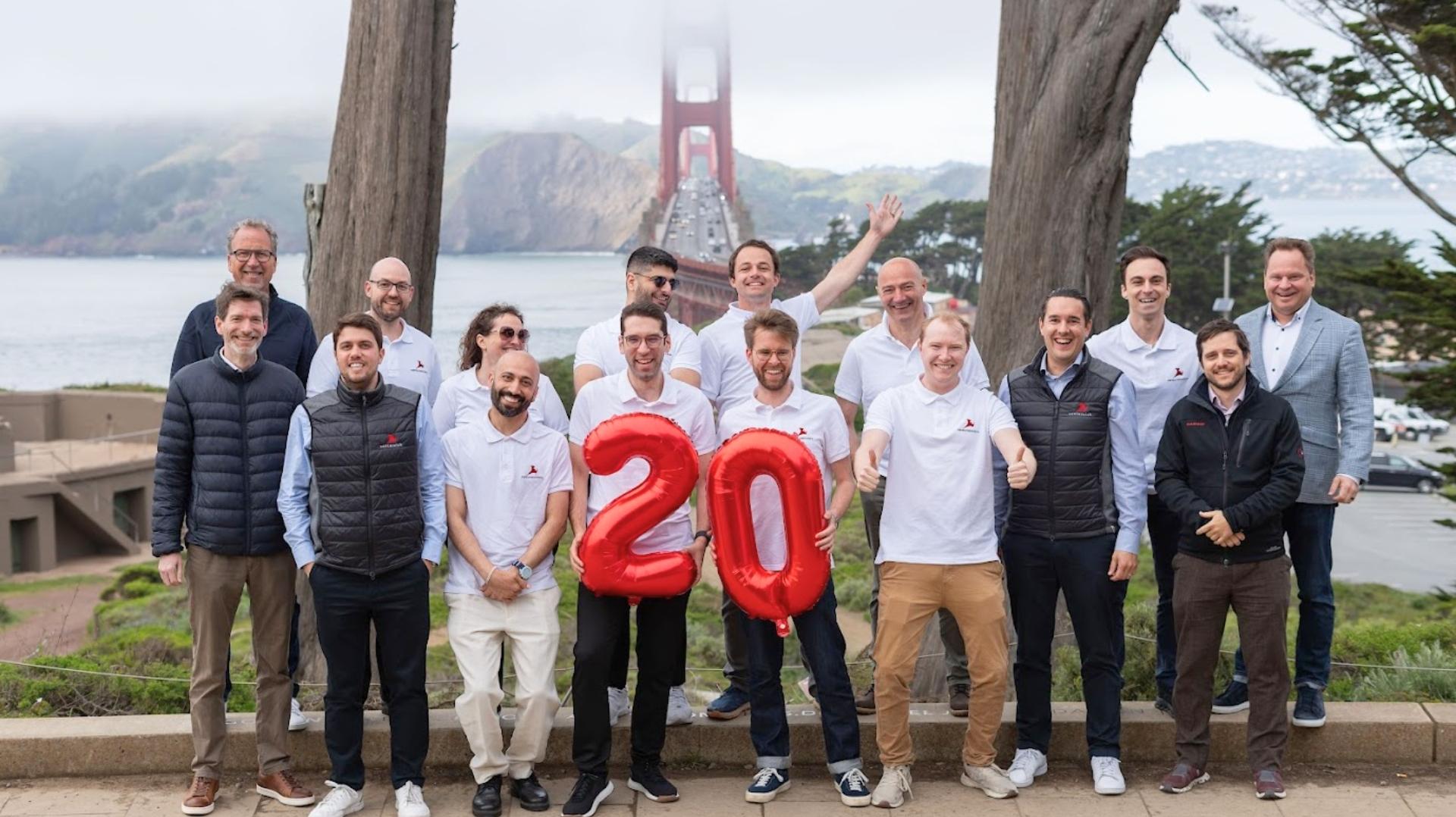
Swiss entrepreneurs thrive in Silicon Valley: AI, innovation, and investment opportunities at Venture Leaders Technology roadshow 2025
read more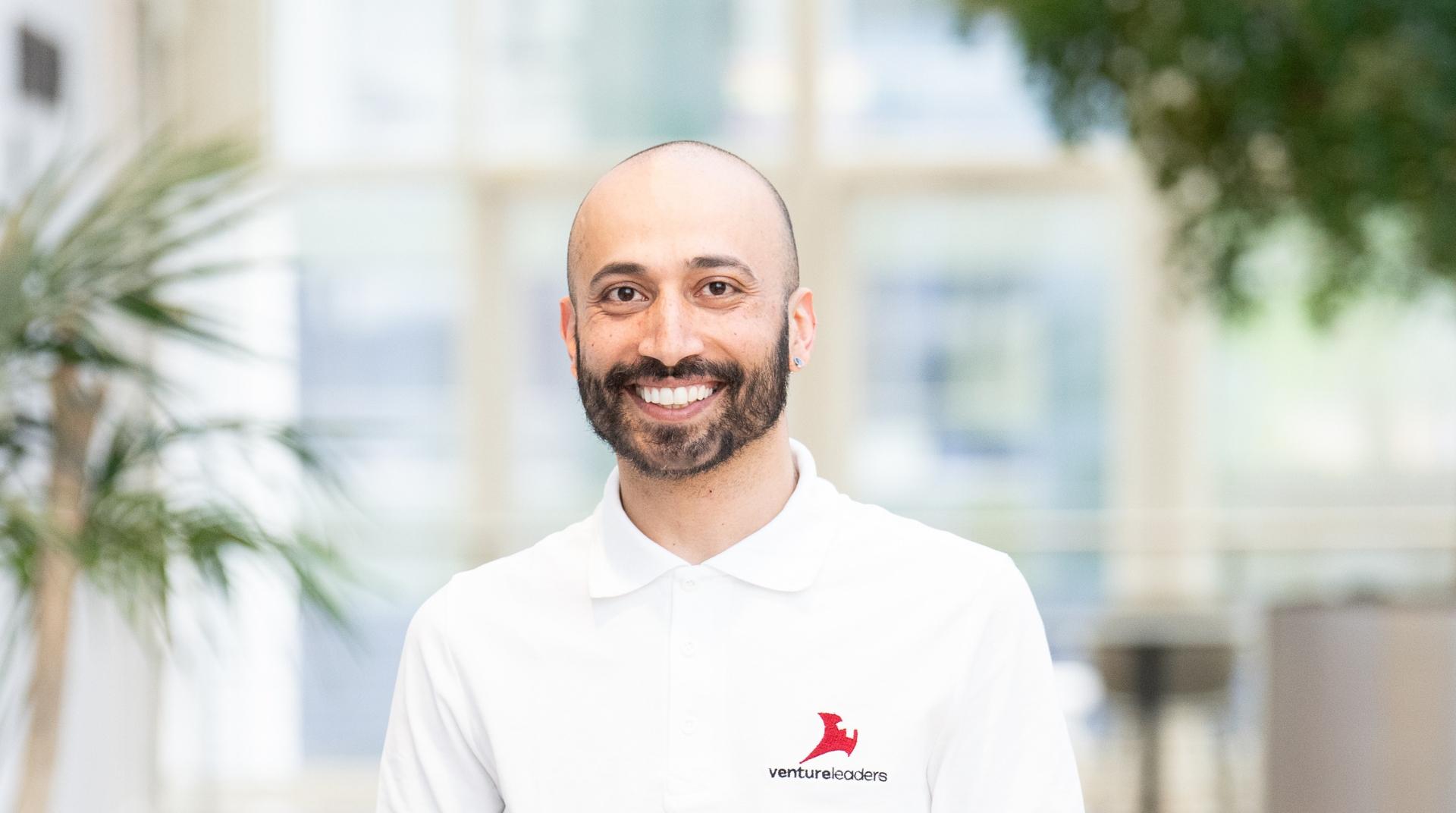
DAAV: The Venture Leader Technology improving robotic transportation for reduced mobility
read more
Rapidata: The Venture Leader Technology powering AI with rapid and scalable human data processing
read more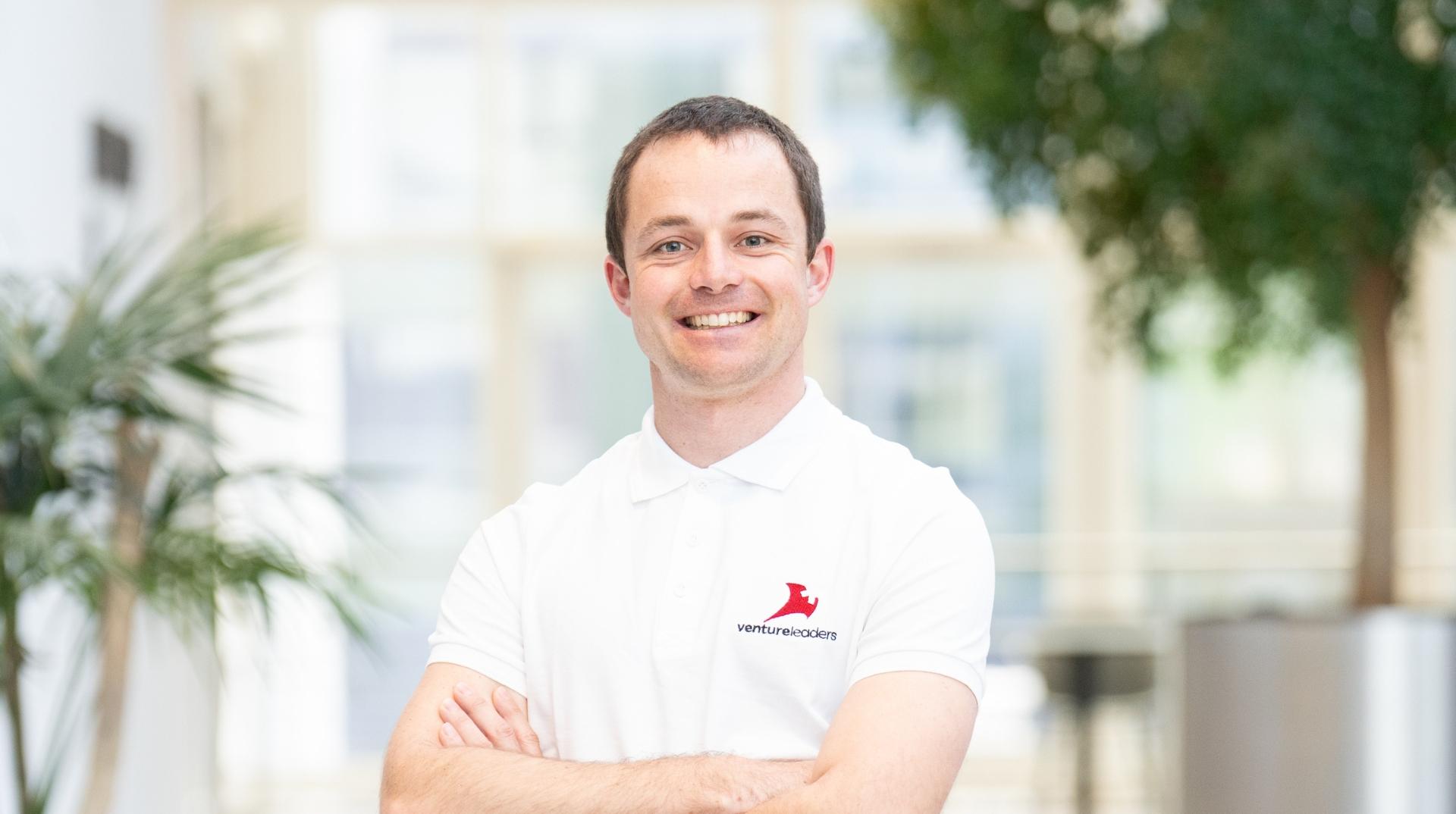
Aurigin.ai: The Venture Leader Technology detecting deepfakes in audio and video
read more
PROUD: The Venture Leader Technology creating sustainable lab-grown diamonds
read more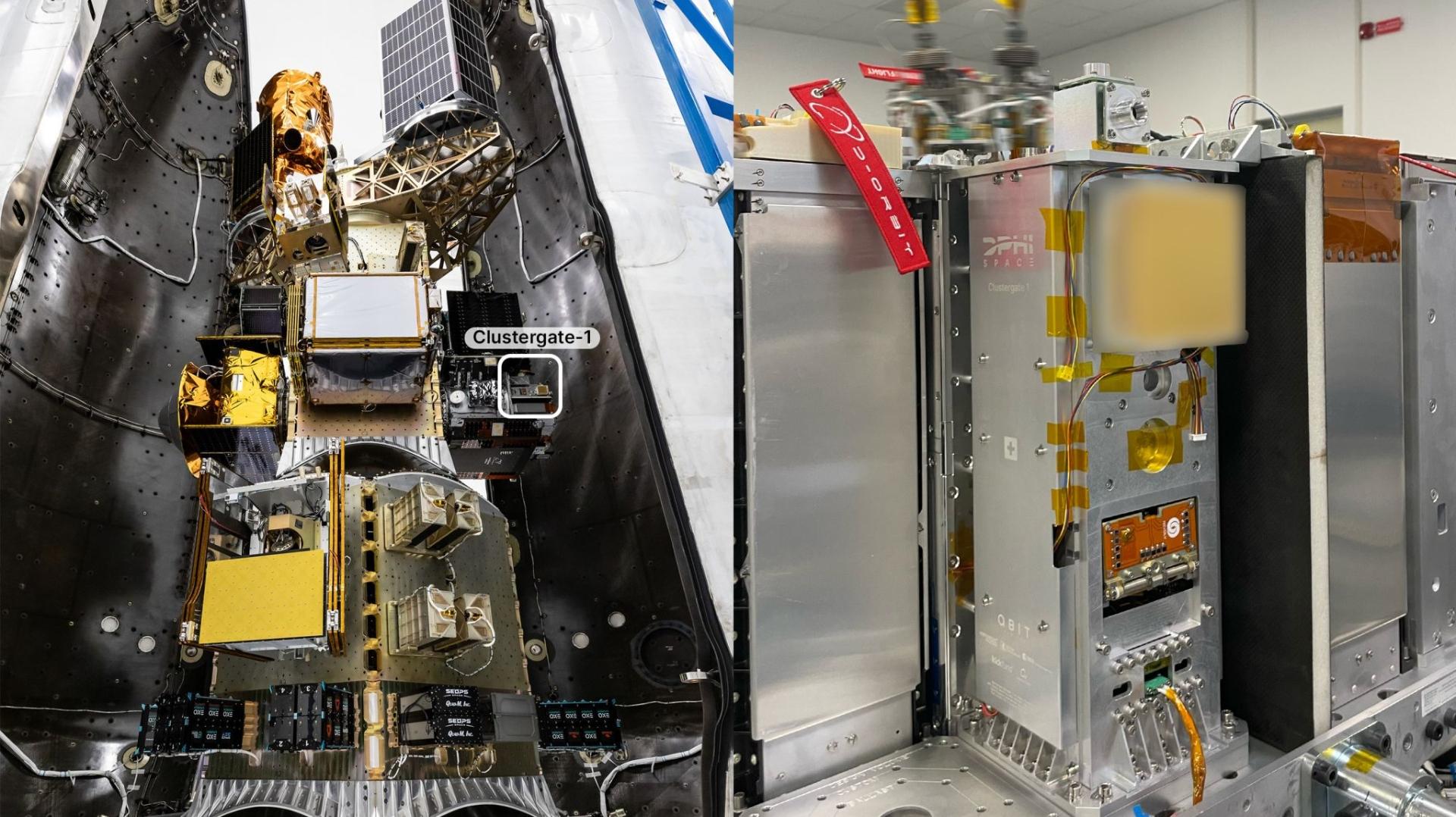
DPhi Space launches Clustergate-1 aboard SpaceX Falcon 9
read more
Hoshii: The Venture Leader Technology automating communication for wholesalers
read more
Viboo: The Venture Leader Technology optimizing building energy and comfort with AI
read more
Miraex: The Venture Leader developing photonic sensing and quantum solutions
read more
Mondaic: The Venture Leader Technology providing advanced simulation software
read more
Brightside AI: The Venture Leader Technology making cybersecurity personal for SMEs
read more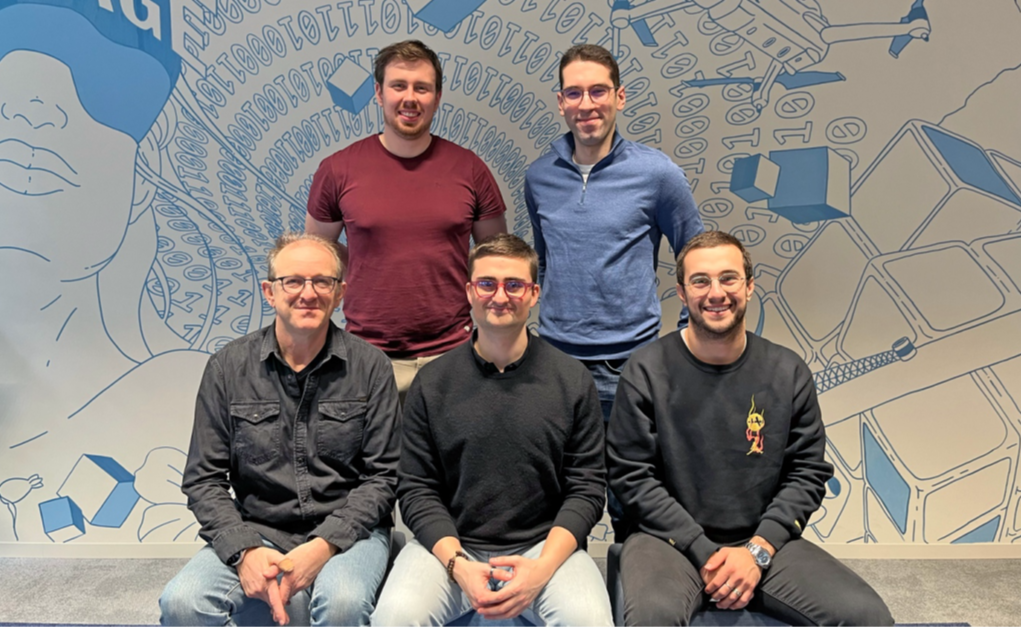
DPhi Space raises CHF 2.1M to expand access to space
read more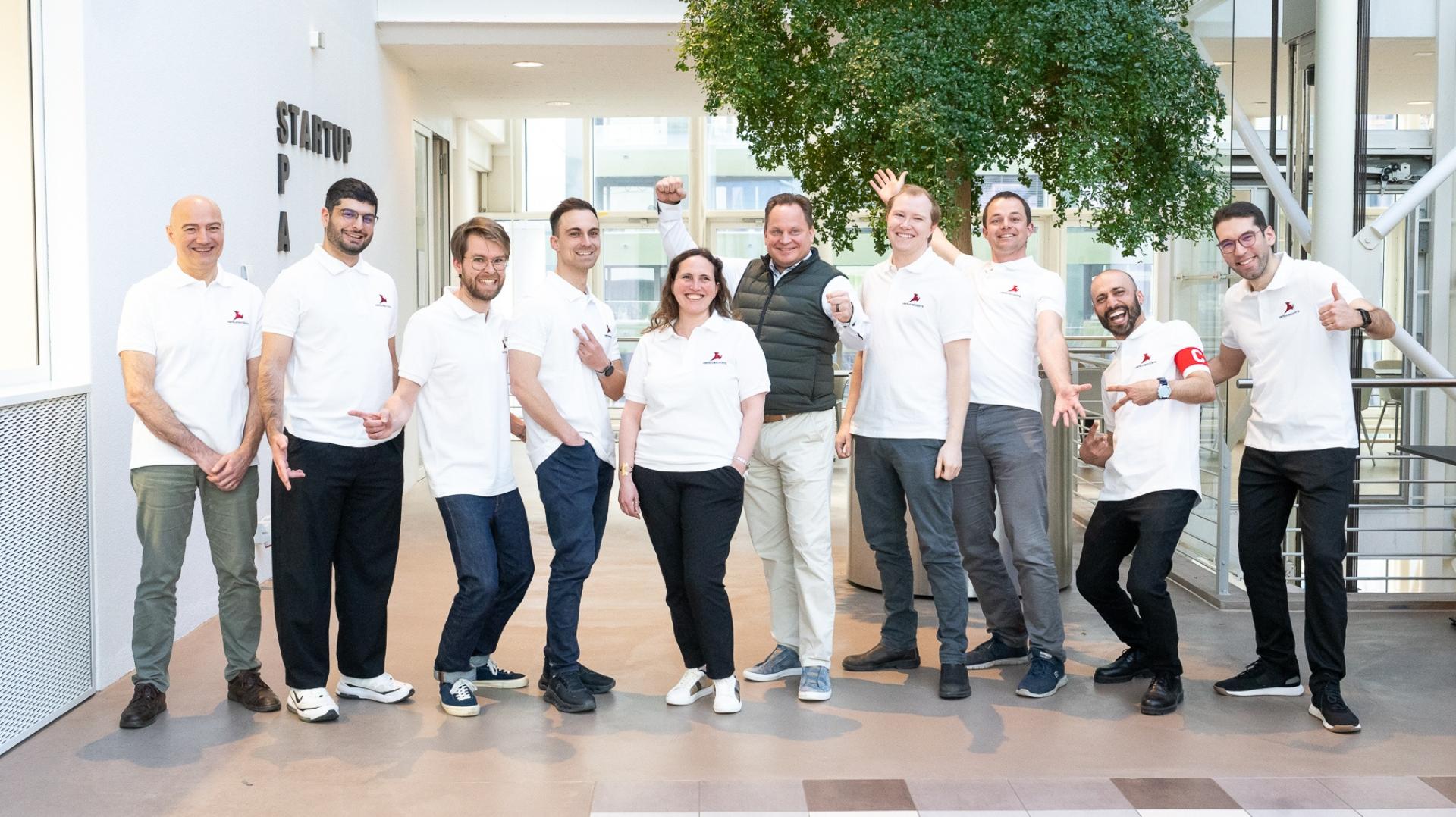
Venture Leaders Technology 2025 sets out for Silicon Valley roadshow
read more