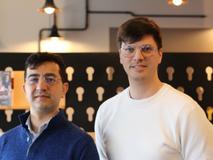
Meet Ivan Puddu, co-founder of Soverli. The ICT startup puts the user in full control of their devices and ensures that privacy and security are maintained even if the operating system is compromised. In March, Ivan will join nine other innovators on a business development and investor roadshow in Barcelona.
 Name: Ivan Puddu
Location: Zurich, Switzerland
Nationality: Italian
Graduated from: 2023
Prior role: Postdoctoral researcher in confidential computing at ETH Zurich
Founding team members: 2
Number of employees: 3
Money raised: USD 2.6M
What does your product or solution do, and what makes it unique?
Soverli is a secure dual-environment platform that runs a customer-controllable, auditable OS in parallel with Android or iOS on any commercial smartphone. We uniquely eliminate the trade-off between security and productivity: while traditional solutions restrict essential functions like copy-paste or app access, our OS-level isolation allows users to switch to a hardened, mission-critical workspace in milliseconds.
What trend or shift in your industry is currently creating the biggest opportunity for you?
Digital sovereignty is rapidly becoming a defining geopolitical priority across the world, driving billions in investment across sovereign cloud, AI, and national communication networks. Yet despite the scale of these efforts, smartphones remain the weakest link: lack of control over the software supply chain forces enterprises and institutions to choose between security and productivity.
How did the idea for your startup originate?
Soverli started as a four-year research project at ETH Zurich, where we explored how different stakeholders code can be securely isolated on a smartphone. The core-principle behind it was to improve privacy and give people more freedom and control over their devices in a way that is compatible with existing functionality-rich app ecosystems. Our work showed that a convenient operating system like Android or iOS can safely coexist with a sovereign layer that has deeper control over the device. When we shared early results with governments and public-sector organizations, the interest was immediate. That conviction led us to spin the project out of ETH Zurich and build Soverli as a company.
Which market are you addressing, and what potential do you see for your startup in that market?
We address the Public Sector, particularly for Mission-Critical Communication, as well as Enterprises and Organizations. By providing an auditable OS layer that requires no hardware changes, we enable first responders to maintain communication during OS failures and allow enterprises to implement secure bring-your-own-device (BYOD) programs that do not impede productivity or invade employee privacy.
What impact do you want your technology to have five years from now?
In five years, we aim for our technology to play a significant role in helping governments reclaim sovereignty over their mobile software supply chain and empowering businesses with phones that improve security without impeding productivity. Soverli aims to set a new standard for mobile software architecture, making true digital sovereignty accessible on every commercial smartphone.
What major challenges have you faced so far?
A key strategic decision was to focus on compatibility with existing commercial smartphones rather than manufacturing our own hardware. This approach necessitated gaining deep access to closed ecosystems and overcoming the hurdle of working with OEMs that are traditionally protective of their proprietary platforms. We have successfully navigated this by establishing strategic partnerships, demonstrating that our sovereign layer unlocks entirely new mission-critical and enterprise markets for their hardware.
What motivates you on tough days?
Knowing that we are making digital freedom accessible to everyone, not just the niche group of users willing to sacrifice convenience for alternative operating systems. Our work has a tangible impact on society, from empowering journalists to communicate safely in high-risk regions and improving privacy for all smartphone users, to allowing developers to innovate in ways that are simply not possible today.
Why did you decide to join the Venture Leaders Roadshow, and what are you most excited about?
I attended MWC last year as a visitor and saw the energy of the Swiss delegation first-hand. This event is of strategic importance for our market, and I am excited to transition from observer to participant, representing Swiss innovation alongside a high-caliber group of peers while engaging with the global partners we need to scale.
Soverli AG: Ensuring digital sovereignty with next-gen mobile security.
Organizations struggle to balance the trade-off between smartphone security and usability. Current solutions restrict apps, web access, and communication to minimize risks, often forcing employees to ... Read more
Related articles

Venture Leaders Mobile 2026 connects Swiss startups with global investors
read more
DuoKey: The Venture Leader keeping control on your encryption keys
read more
Tethys Robotics: The Venture Leader Mobile automating inspections in rough waters
read more
Loxo: The Venture Leader Mobile empowering commercial vehicles with autonomy
read more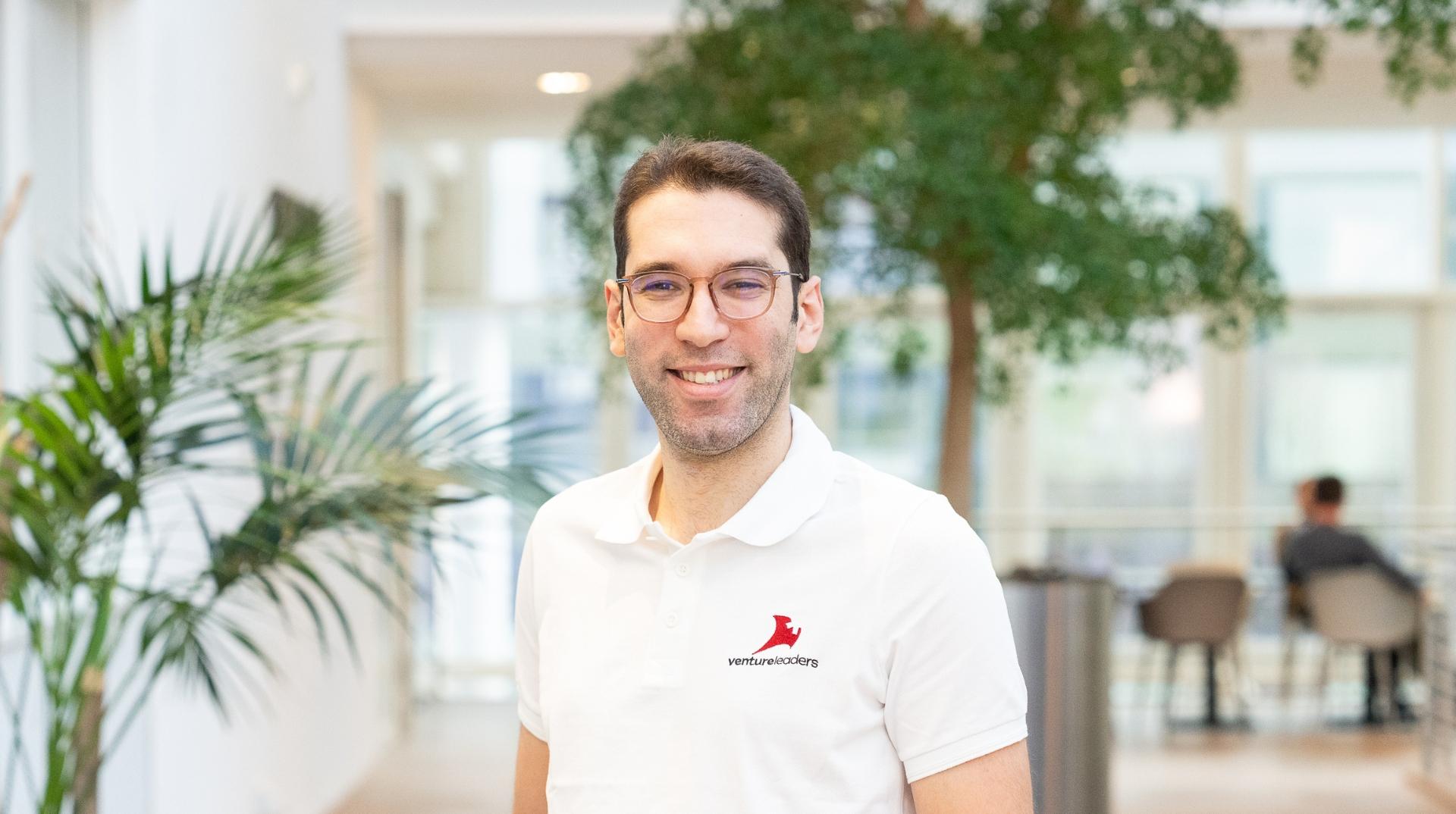
DPhi Space: The Venture Leader Mobile streamlining space access
read more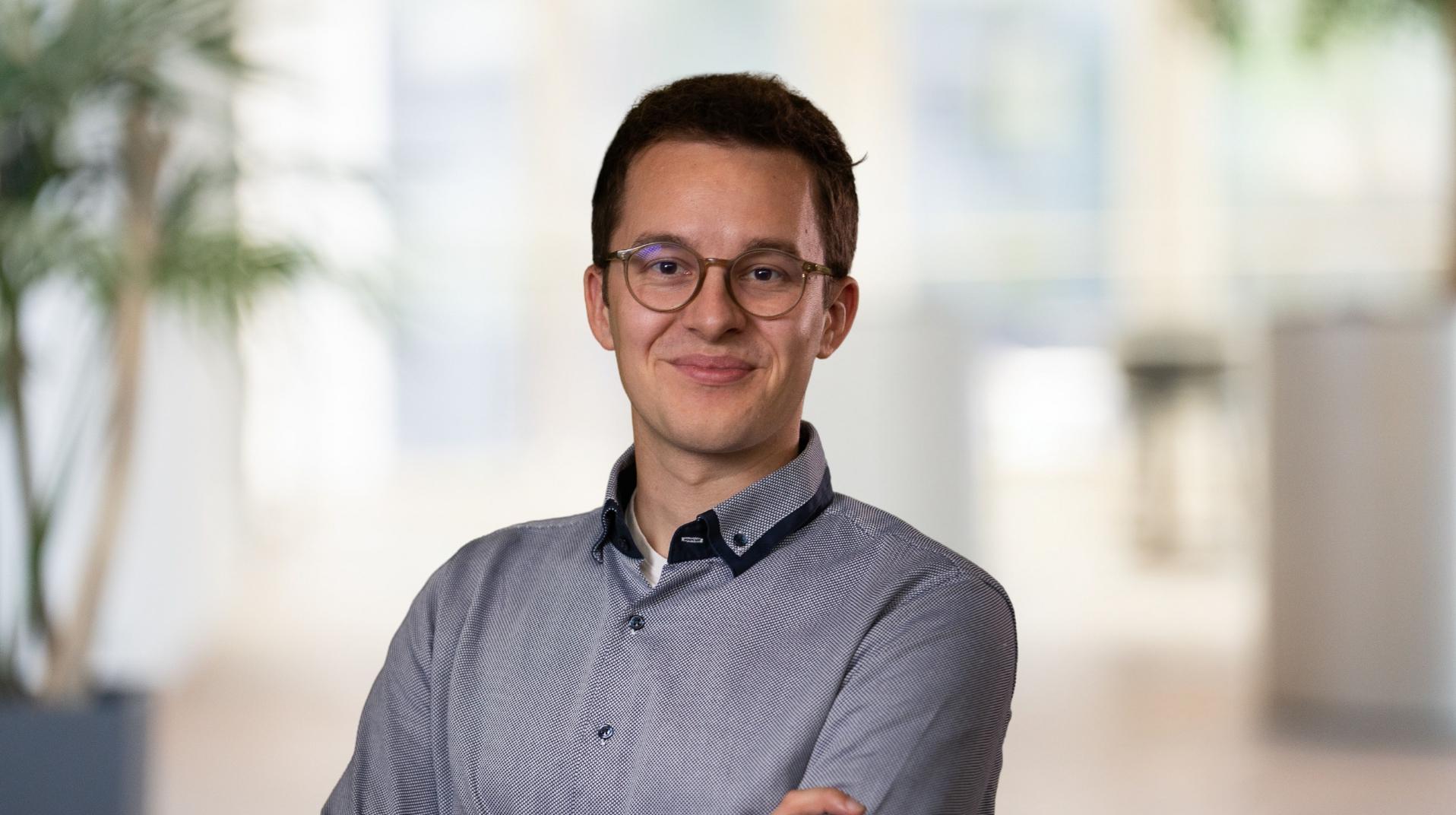
Synature: The Venture Leader Mobile monitoring animals with AI
read more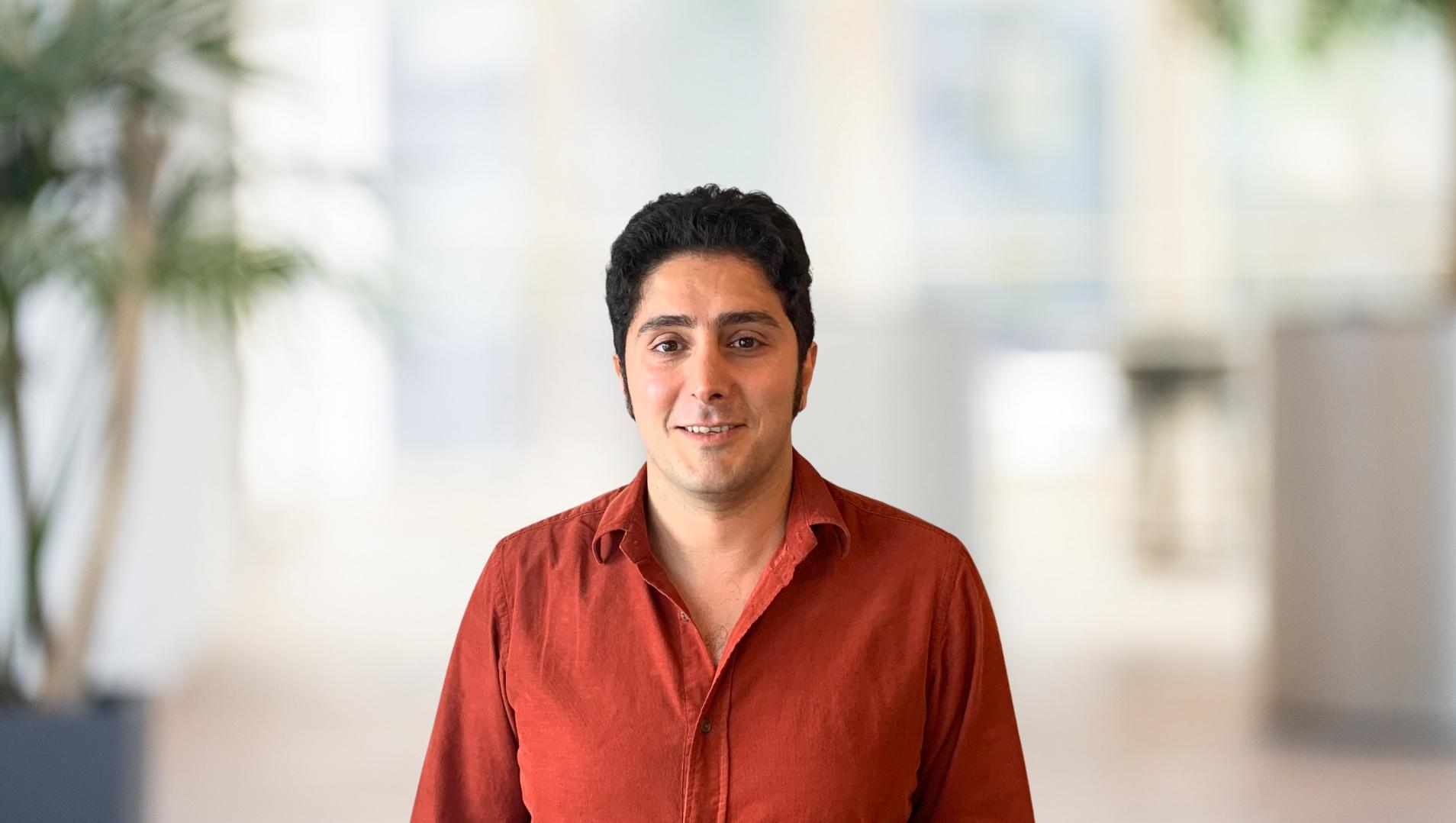
EM Path: The Venture Leader Mobile developing wireless testing solutions
read more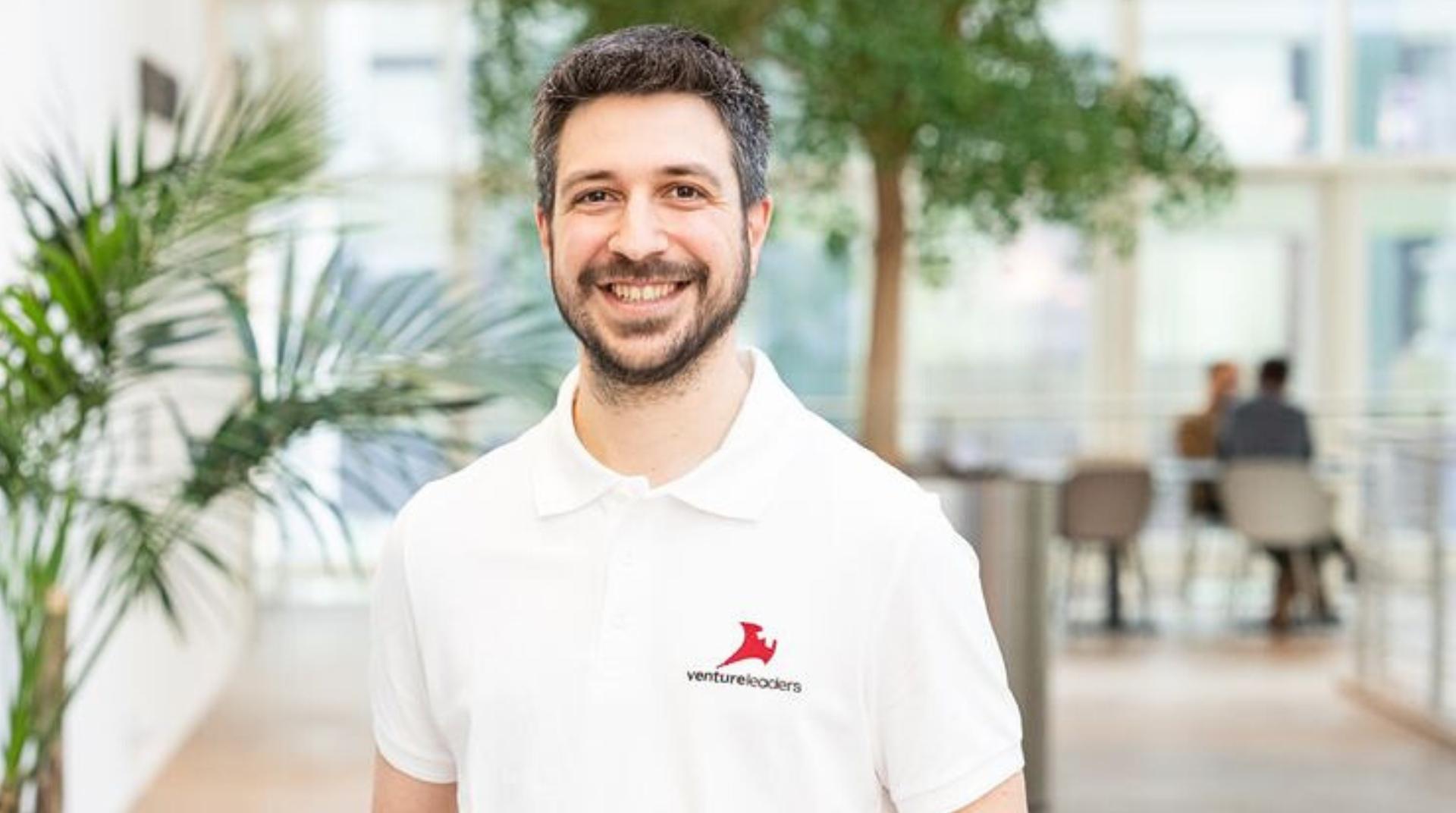
Mosaic SoC: The Venture Leader Mobile advancing real-time AI chip performance
read more
Ionic Wind: The Venture Leader Mobile developing solid-state airflow for AI hardware cooling
read more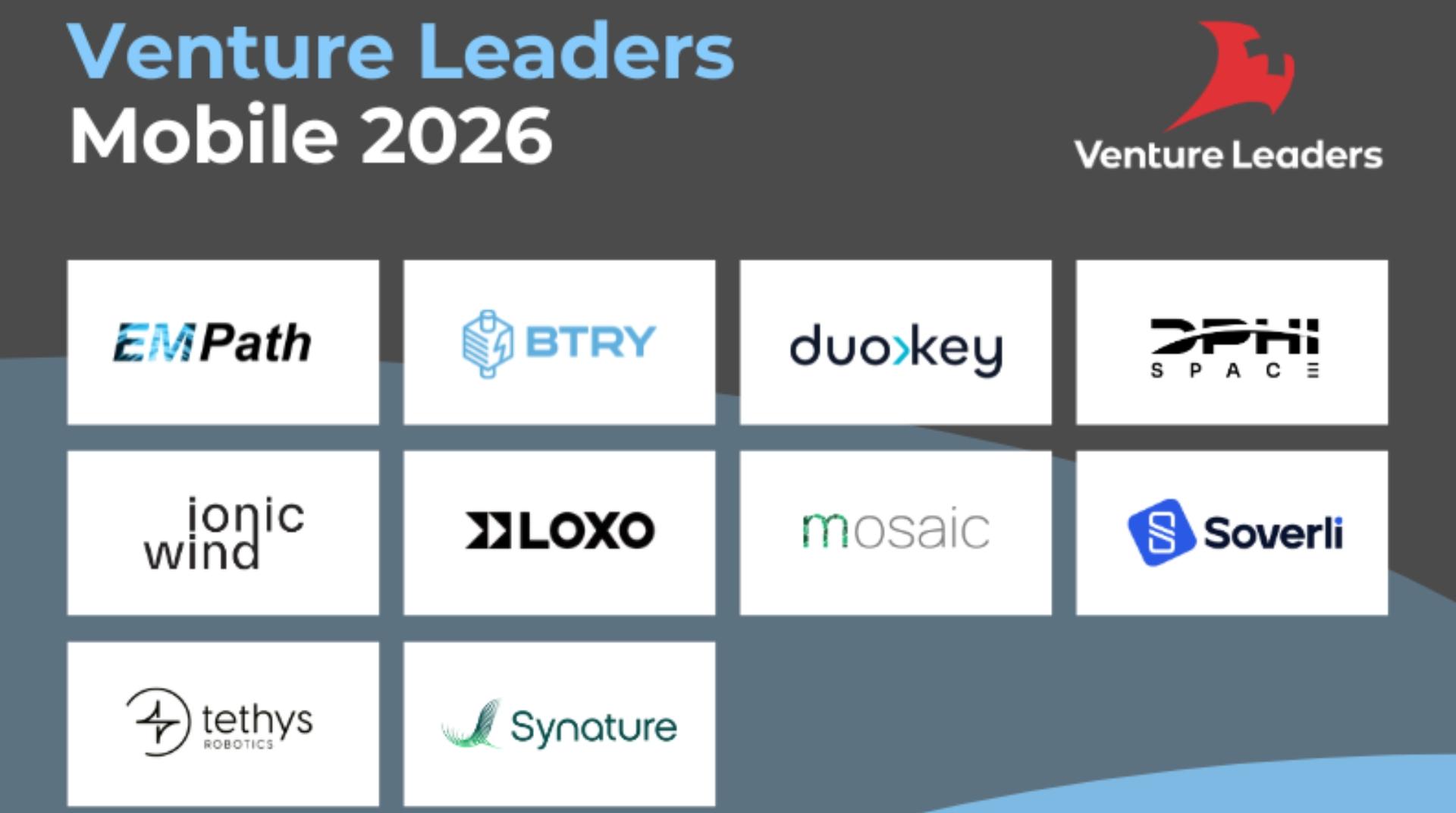
Swiss National Startup Team 2026: Ten mobile startups set for 4YFN – MWC Barcelona
read more
Soverli secures USD 2.6M to bring usable sovereignty to every smartphone
read more